The Rise and Fall (and Possible Return?) of the American Minivan
The Rise and Fall (and Possible Return?) of the American Minivan
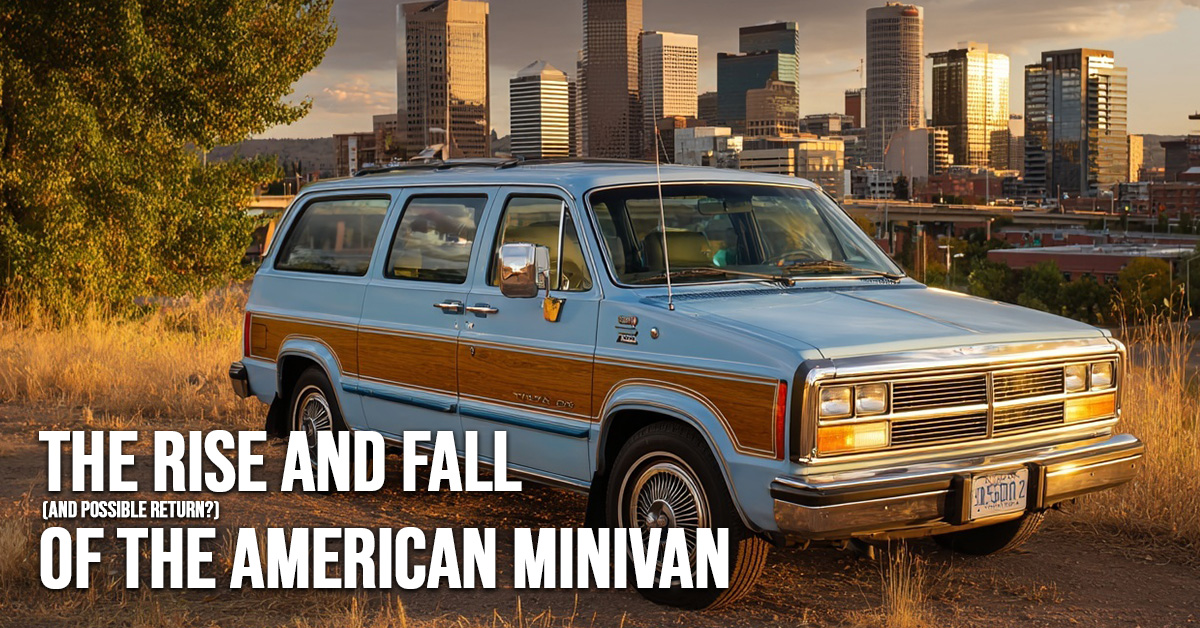
It was a time that now seems like ancient history, yet in reality, it was less than 40 years ago. The year was 1984, and the automotive landscape was about to be reshaped by a pair of groundbreaking vehicles: the Dodge Grand Caravan and the Plymouth Voyager. With their debut, America was introduced to the minivan, a revolutionary vehicle designed with young families in mind, offering unparalleled versatility, generous roominess, and unmatched practicality. It promised to simplify family life, and for a time, it delivered.
What happened next was a fascinating automotive saga: the rapid rise, and an almost equally rapid fall, in the popularity of the minivan. As it began falling out of favor with the next generation of drivers, its image almost became vilified and stigmatized, leading to a dramatic drop in sales that few could have predicted during its heyday.
Following the initial, explosive popularity of Chrysler’s Grand Caravan and Voyager, other major carmakers swiftly followed suit, eager to stake their claim in this burgeoning segment. Honda introduced its highly regarded Odyssey, and Toyota brought forth the reliable Sienna. Kia manufactured the Sedona, while American giants Ford and Chevrolet offered their own versions, the Transit Connect Wagon and the Venture, respectively. Despite the strong competition, none could ever truly surpass Chrysler as the undisputed king of the minivan market.
The minivan’s peak was truly remarkable. In the year 2000, minivan sales hit their all-time high, with a staggering 1.33 million units sold across the United States. However, the subsequent years marked a sharp and precipitous decline. Just one year later, in 2001, sales plummeted to a mere 482,000 minivans. By 2021, the most popular minivan on the market, the Chrysler Pacifica, saw its sales reach only about 35,000 units, a stark testament to how far the segment had fallen from its previous heights.
So, what exactly happened to the once-ubiquitous minivan?
Several significant societal and cultural shifts contributed to the fall of the minivan. One major factor was the trend of Americans having smaller families, reducing the need for such large passenger capacity. Concurrently, there was a noticeable demographic movement back into more urban areas, where the larger footprint of a minivan became less practical. Furthermore, the minivan developed an unfortunate reputation; it became heavily associated with the “soccer mom” stereotype, a label that the next generation of drivers actively sought to distance themselves from. The image of the minivan, once a symbol of practical family-first thinking, evolved into something perceived as less “cool” or contemporary.
Then, of course, the automotive industry introduced its ready and willing successors: the SUVs (Sport Utility Vehicles) and Crossovers. These vehicles offered a similar promise of spaciousness and versatility but wrapped in a more rugged, adventurous, and, crucially, a more contemporary aesthetic. SUVs and Crossovers signaled a new generation of vehicles that better aligned with evolving consumer tastes, effectively absorbing much of the market share that minivans once commanded.
Despite its dramatic decline, there is a glimmer of hope that the burgeoning “vanlife” enthusiasts, who seek to convert vans into mobile living spaces, may bring new life and renewed interest to the minivan segment. However, any potential comeback is likely to be slow and gradual, rather than another meteoric rise. Recognizing the shift, Chrysler has, for instance, ceased production of the Grand Caravan, placing its primary bet on the more modern Pacifica to carry the minivan torch.
The automotive world is constantly evolving. The classic station wagon gave way to the practical minivan, which in turn largely yielded to the versatile SUV and Crossover. What’s next on the horizon for family transportation? Only time will tell.
No matter what type of vehicle you drive, from a classic minivan to the latest SUV, you will want to be assured you are not overpaying for your car insurance. The only way to do that is to actively compare quotes and coverage options, and our team of independent insurance agents can help you do just that. In fact, they can do the shopping for you, exploring their network of multiple insurance carriers to find the most competitive rates and best coverage for your specific needs. You then decide on the policy that is best for you and your budget, giving you peace of mind and potential savings. Contact us for your free, no-obligation price quote today and drive confidently.
Do you have questions about your insurance? Find an insurance agent near you with our Agent Finder
Search All Blogs
Read More Blogs

Family Financial Planning
Utilize the steady pace of mid-September to assess your life insurance coverage, evaluate income replacement needs, and secure your family’s financial future.
Road Safety and Vehicle Maintenance
Navigate mid-September roadway dynamics with confidence by optimizing your auto insurance policy, checking vehicle safety systems, and preparing for changing driving conditions.

Property Security and Weatherproofing
Ensure complete residential resilience by clearing perimeter debris, inspecting weather seals, and verifying appropriate insurance coverage limits as September progresses.

Cultivating Autumn Wellness and Daily Routines
Discover how to establish balanced autumn routines, maintain nutritional vitality with protein-forward habits, and enjoy the refreshing energy of mid-September.

Mid-Quarter Risk Management and Operational Resilience
Business leaders can ensure fourth-quarter stability by conducting mid-September audits of commercial property, liability, and business interruption policies.

Mid-Year Financial Reviews and Family Security
Utilize the steady pace of mid-September to evaluate your life insurance coverage, assess income replacement needs, and safeguard your household’s financial future.

Managing Mid-September Traffic Density and Vehicle Readiness
Navigate increased September traffic and shifting roadway conditions by optimizing your auto insurance policy and ensuring peak mechanical vehicle readiness.
Post-Labor Day Property Maintenance and Autumn Preparation
Transition your property protection into mid-September by addressing post-summer wear, clearing drainage systems, and verifying adequate replacement cost coverage.

Embracing National Preparedness and Lifestyle Resilience in September
This article explores how to build personal and household resilience through National Preparedness Month strategies and nutritional grounding as summer transitions to fall.

Safeguarding Commercial Continuity as Autumn Begins
Business owners can ensure seamless fourth-quarter preparations by auditing workers’ compensation, property policies, and liability frameworks as September begins.