The Downside of Driverless
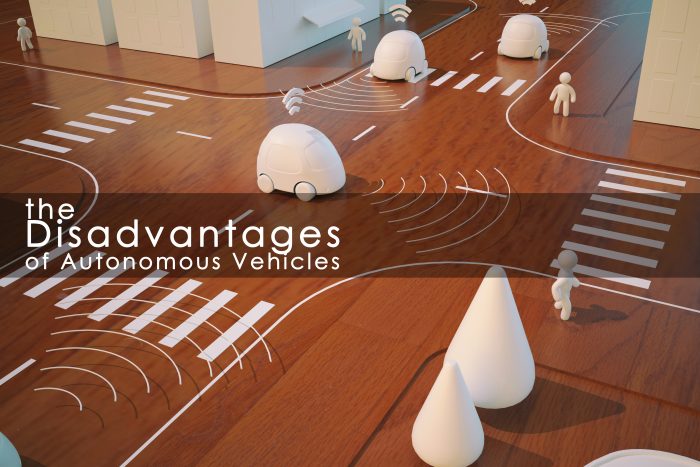
What are some of the disadvantages of switching to autonomous vehicles?
In 2009, Google began secretly developing fully-autonomous cars. Since then, these cars have driven more than 2,000,000 miles on the roads. The idea of driverless cars has exploded since its origin, sparking ongoing debates about the safety of these cars.
The idea is to keep drivers safe and prevent accidents; coming from the fact that over 90% of accidents are the driver’s fault. However, there are many factors that go into whether or not driverless cars are actually safe.
We live in a world where humans control technology; autonomous cars gives the power of control to technology. Riding in a driverless car ultimately puts your life in the hands of a computer. This idea sits well with some; others, not so much.
I want to focus on the disadvantages of giving so much power to technology.
What are the disadvantages of driverless vehicles?
- The price of these vehicles. In the beginning, autonomous vehicles are going to be too expensive for the average person to buy. How will autonomous vehicles going to replace the traditional vehicles if they are unaffordable to the majority of people?
- If not everyone can afford to purchase an autonomous car, this leaves the roads scattered with both traditional vehicles and autonomous. This is a potentially danger concept, which could lead to tragic accidents.
- The rise of self-driving cars leaves hundreds of thousands of people out of jobs. Taxi drivers, food delivery drivers, truck drivers, This could impact families across America.
- Weather is always unpredictable. How can there be efficient technology that can adjust to weather conditions, if the conditions are never the same?
- Hackers. Hackers could hijack the system and take control of the car, causing a deadly accident. If hacking happens with any other device, what’s in the way of a criminal hacking the computer’s system?
- Who’s at fault in an accident? This is extremely important. If the computer is driving the car and causes an accident, who pays for it? The company who created the technology running the car? Or the owner of the car?
- We will lose our ability to drive. Remember when you first started driving? Driving under certain conditions was terrifying due to the lack of experience. If an issue were to occur with the autonomous vehicle, it’s possible humans would lack the ability to drive.
- There’s a sense of freedom in being able to drive. What would the world be like if we could no longer experience the calming sense of euphoria that comes with the natural task of driving?
- The technology would have to take into consideration every random occurrence that could take place. Pedestrians illegally jay-walk, even on dark nights where there isn’t a crosswalk. This specific incident has already caused a death with an autonomous car. What’s stopping it from happening again?
- Pedestrians and bicyclists use hand signals to indicate which way they are going, etc. The technology would have to have to ability to comprehend every hand signal that a human could naturally read.
- Loss of control of our fate. It brings some of us a sense of contentment to know that our is in our hands. We are in control. We are alert, aware, and know which moves to make next. Although the driverless cars are safe some of the time, it’s possible something could go wrong, leaving us without full control of what happens.
- Road systems would need to change. This would take time and a lot of it. We would need to be better prepared before the use of autonomous cars on our roads could be considered safe.
The plan to bring autonomous cars on the road escalated way too quickly. With proper planning, we shouldn’t have had to lose the lives of human beings due to these cars being on the road.

Do you have questions about your insurance? Find an insurance agent near you with our Agent Finder
Search All Blogs
Read More Blogs
Hitting the Trails: Why October Is the Ultimate Month for Hiking and Outdoor Exploration
Make the most of autumn weather with tips for safe, scenic weekend hiking and outdoor adventures.
Umbrella Policies for Businesses: Adding an Extra Layer of Defense Against Major Lawsuits
Shield your business assets from massive liability claims with a commercial umbrella policy.

Business Continuity Planning: Using Key Person Life Insurance to Protect Your Enterprise
Safeguard your company’s financial stability and continuity with strategic key person life insurance.
Understanding Uninsured Motorist Coverage: The Hidden Shield on Your Auto Policy
Protect yourself from reckless drivers with comprehensive uninsured motorist policy coverage.
Smart Home Tech and Insurance Discounts: How Automation Lowers Your Premiums
Lower your home insurance bills by integrating smart home monitoring and safety technology.

Fueling Your Body for Cooler Days: Exploring Autumn’s Best Harvest Superfoods
Boost your immune health and energy this fall with delicious seasonal harvest recipes and superfoods.
Beyond the Basics: Understanding the Critical Role of Business Interruption Coverage
Protect your company’s cash flow during unexpected operational shutdowns with business interruption coverage.

Locking In Your Advantage: Why Buying Life Insurance Early Locks in Lifetime Savings
See why locking in a life insurance policy during your 20s or 30s yields massive long-term savings.
Teen Drivers and Auto Insurance: Strategies for Managing Premiums Without Sacrificing Safety
Navigate adding a young driver to your auto policy while keeping premium costs under control.

The High Cost of Building: Why Your Home Replacement Value Needs an Update This Year
Ensure your home rebuilding limits keep pace with current construction inflation rates.