Beating the August Heat: Advanced Defensive Driving and Telematics Optimization
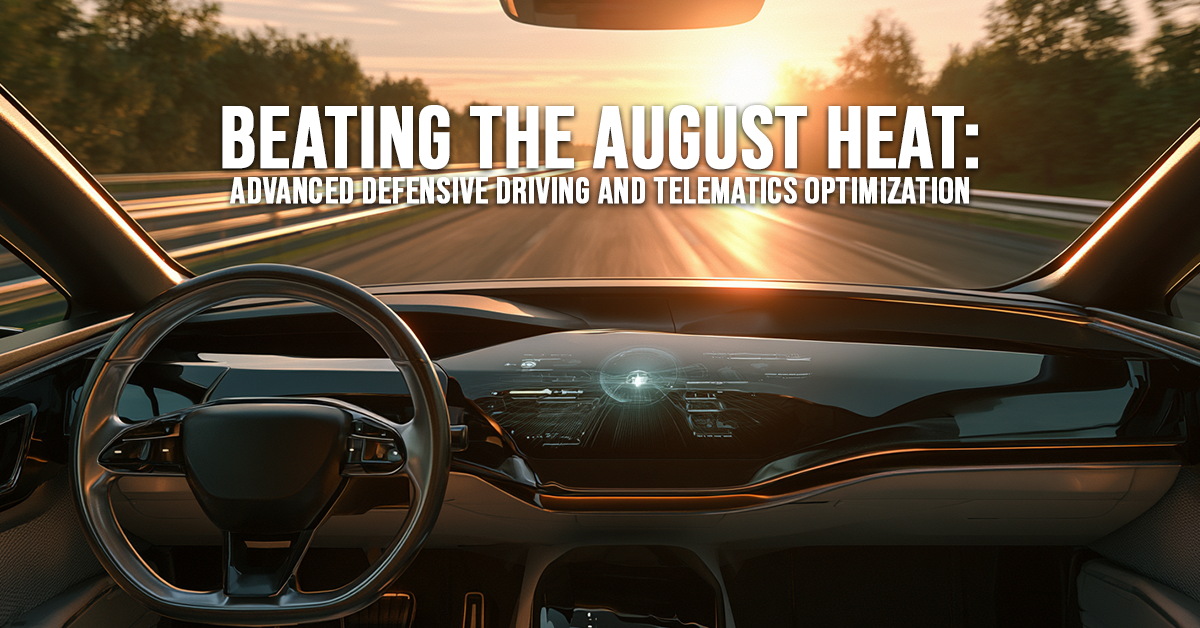
Beating the August Heat: Advanced Defensive Driving and Telematics Optimization
August is historically one of the most punishing months for American motorists. Blistering asphalt temperatures, sudden late-summer severe thunderstorms, and a surge in late-season family road trips create a hazardous cocktail on our nation’s highways. For the savvy driver, surviving this high-stress driving environment requires more than just basic situational awareness; it demands a systematic approach to defensive driving backed by modern vehicle telemetry.
The Physiological Impact of Summer Driving Fatigue
Cabin temperatures in parked vehicles can skyrocket within minutes, and prolonged exposure to high ambient temperatures while driving can lead to driver fatigue, slower reaction times, and heightened road rage incidents. Insurance claim frequency spikes during peak afternoon heatwaves, particularly involving rear-end collisions and lane-drift accidents caused by momentary driver distraction.
To counter these seasonal risks, professional risk managers recommend adopting advanced defensive driving strategies:
- The Four-Second Rule: In heavy summer traffic or inclement weather, standard following distances are insufficient. Increase your following distance to at least four seconds, doubling it during heavy downpours to allow adequate braking distance on slick asphalt.
- Proactive Scanning: Train your eyes to scan 15 to 20 seconds ahead of your vehicle. By identifying brake lights, erratic lane changes, or road debris far in advance, you eliminate panic-braking, which is the primary catalyst for multi-car pileups.
Harnessing Telematics for Financial Protection
For years, auto insurance pricing was based primarily on demographic proxy data: your age, your zip code, your gender, and your credit history. Today, the rise of Usage-Based Insurance (UBI) and Telematics has shifted the paradigm toward behavioral underwriting.
Telematics programs utilize a mobile app or a plug-in OBD-II device to measure your actual driving performance in real time. They monitor critical risk factors:
- Hard Braking: Measures aggressive deceleration, indicating poor following distance or sudden reactions.
- Rapid Acceleration: Tracks heavy fuel consumption and aggressive starts.
- Speeding: Evaluates adherence to posted legal limits across various road types.
- Phone Distraction: Many modern telematics apps track whether your screen remains locked while the vehicle is in motion.
Drivers who maintain smooth braking profiles, steady cruising speeds, and zero handheld phone distractions can unlock substantial discounts—often up to 30% or more on their base premiums. More importantly, the continuous feedback loop acts as a personal driving coach, systematically engineering safer habits that protect you from costly at-fault accidents.
Do you have questions about your insurance? Find an insurance agent near you with our Agent Finder
Search All Blogs
Read More Blogs

Hitting the Trails: Why October Is the Ultimate Month for Hiking and Outdoor Exploration
Make the most of autumn weather with tips for safe, scenic weekend hiking and outdoor adventures.

Umbrella Policies for Businesses: Adding an Extra Layer of Defense Against Major Lawsuits
Shield your business assets from massive liability claims with a commercial umbrella policy.

Business Continuity Planning: Using Key Person Life Insurance to Protect Your Enterprise
Safeguard your company’s financial stability and continuity with strategic key person life insurance.
Understanding Uninsured Motorist Coverage: The Hidden Shield on Your Auto Policy
Protect yourself from reckless drivers with comprehensive uninsured motorist policy coverage.

Smart Home Tech and Insurance Discounts: How Automation Lowers Your Premiums
Lower your home insurance bills by integrating smart home monitoring and safety technology.

Fueling Your Body for Cooler Days: Exploring Autumn’s Best Harvest Superfoods
Boost your immune health and energy this fall with delicious seasonal harvest recipes and superfoods.
Beyond the Basics: Understanding the Critical Role of Business Interruption Coverage
Protect your company’s cash flow during unexpected operational shutdowns with business interruption coverage.

Locking In Your Advantage: Why Buying Life Insurance Early Locks in Lifetime Savings
See why locking in a life insurance policy during your 20s or 30s yields massive long-term savings.
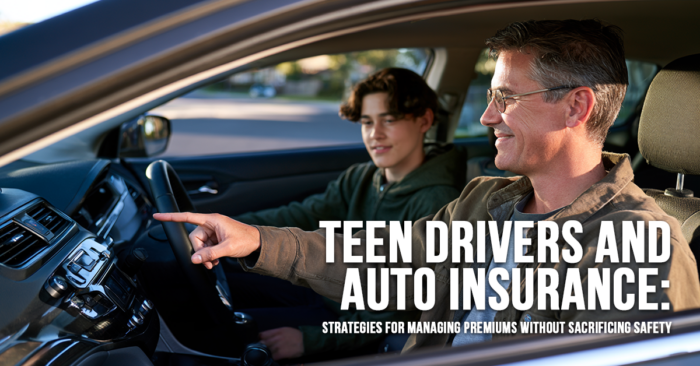
Teen Drivers and Auto Insurance: Strategies for Managing Premiums Without Sacrificing Safety
Navigate adding a young driver to your auto policy while keeping premium costs under control.

The High Cost of Building: Why Your Home Replacement Value Needs an Update This Year
Ensure your home rebuilding limits keep pace with current construction inflation rates.