From Horseless Carriages to Status Symbols: A Century of Ups and Downs in Car Prices
From Horseless Carriages to Status Symbols: A Century of Ups and Downs in Car Prices
Ever walk out of a car dealership feeling like you just witnessed a highway robbery? You’re not alone. Car prices have definitely skyrocketed in recent years. But have they always been this expensive? Let’s take a nostalgic spin through the past century and explore how much cars used to cost.
Pre-1910: Cars – A Luxury for the Wealthy Few
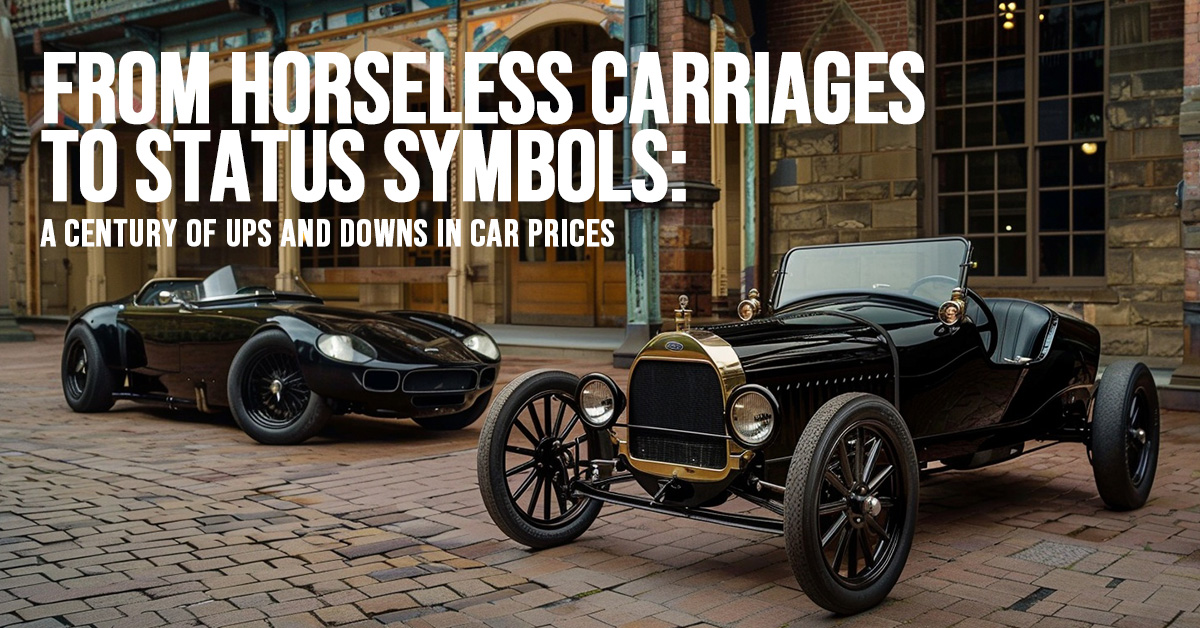
Before Henry Ford’s revolutionary Model T hit the scene, car ownership was a dream reserved for the ultra-rich. These early “horseless carriages” were handcrafted works of mechanical marvel, but with a price tag to match. Back then, there were fewer than 200,000 cars on the road in total – a far cry from the bustling traffic jams we experience today!
1910-1919: The Model T Revolution: Cars for the Everyman (Well, Almost)
The arrival of the Model T in 1908 was a game-changer. Ford’s innovative assembly line techniques made mass production possible, slashing the price of a car from a staggering luxury item to a more attainable dream for the average American family. Those first Model T’s cost around $825, which translates to roughly $18,000 in today’s dollars. Still a hefty sum, but a far cry from the pre-Model T era.
1920-1929: The Roaring Twenties: Cars Become (Relatively) Affordable
The 1920s were a time of booming car sales in both the US and Europe. Ford’s Model T continued its dominance, accounting for nearly half of all car sales in the early part of the decade. Incredibly, new car prices actually fell during this period, with some models available for under $300! That translates to a mind-blowing $3,500 in today’s money! Can you imagine?
1930-1939: The Great Depression Hits the Brakes on Car Sales
The economic devastation of the Great Depression put a screeching halt to the car buying frenzy of the previous decade. With widespread unemployment, fewer people could afford the luxury of a new car. The used car market flourished as people looked for more affordable options. New car prices remained relatively stable, averaging around $600, with gas prices at a measly 10 cents per gallon!
1940-1949: Post-War Boom: New Models and Rising Prices
The post-war era of the 1940s saw the introduction of iconic car models like the Pontiac Streamliner, Plymouth Deluxe, and the ubiquitous Jeep. New car prices began to climb again, reaching an average of $850. This period also saw a trend of car manufacturers releasing new models seemingly every year, giving consumers more choices than ever before.
1950-1959: The Rise of the Status Symbol Car
The 1950s marked a turning point in car culture. The automobile became more than just a mode of transportation; it was a symbol of family life, freedom, and even social status. Cars became sleeker, more stylish, and packed with more features. Of course, all this added flair came at a price. Well-equipped American family sedans could easily top $2,000 – a significant chunk of change in the 1950s.
A Blast from the Past: Classic Car Insurance
Speaking of classic cars, if you’re lucky enough to own a piece of automotive history, you’ll need specialized insurance to protect it. Classic car insurance is designed specifically for older vehicles, offering tailored coverage options that reflect the unique value of your collector car. Contact one of our independent insurance agents to discuss your classic car insurance needs and get a free, no-obligation quote today!
So, there you have it! A whirlwind tour of car prices over the past century. From the pre-Model T era, when cars were a luxury for the privileged few, to the affordable Model T and the rise of the car as a status symbol, car prices have fluctuated
Do you have questions about your insurance? Find an insurance agent near you with our Agent Finder
Search All Blogs
Read More Blogs

More Than a Safety Net: Why Life Insurance Is a Core Pillar of Comprehensive Family Financial Planning
Learn how modern life insurance strategies protect your family’s financial future and secure generational stability.

How Telematics, Advanced Vehicle Tech, and New Rates Are Reshaping Auto Insurance
Master auto insurance trends this fall with expert insights on telematics, EV repair costs, and maximizing driver discounts.

Protecting Your Investment Amid Shifting Climate Realities
Essential tips for updating home coverage, handling rebuild inflation, and securing the best rates this fall.

Cultivating Wellness and Equinox Balance
Discover how to establish balanced autumn routines, maintain nutritional vitality with protein-forward habits, and enjoy the refreshing energy of the equinox transition.

Commercial Risk Management
Business leaders can secure fourth-quarter operations by conducting late-September audits of commercial property, liability, and business interruption policies.

Family Financial Strategy
Utilize the steady pace of late-September to assess your life insurance coverage, evaluate income replacement needs, and secure your family’s financial future.

Road Readiness and Commuter Safety
Navigate late-September traffic and cooling morning temperatures by optimizing your auto insurance policy, checking vehicle safety systems, and preparing for autumn roadways.

Property Hardening and Final Autumn Prep
Ensure complete residential resilience ahead of the equinox by finalizing gutter clearing, testing heating systems, and verifying replacement cost policy limits.

Cultivating Mid-September Wellness and Routine Resilience
Discover how to establish balanced autumn routines, maintain nutritional vitality with protein-forward habits, and enjoy the refreshing energy of mid-September.

Commercial Risk Management
Business leaders can secure fourth-quarter operations by conducting mid-September audits of commercial property, liability, and business interruption policies.