Don’t Be a Drain! The Essential Fluids Your Car Needs to Flow
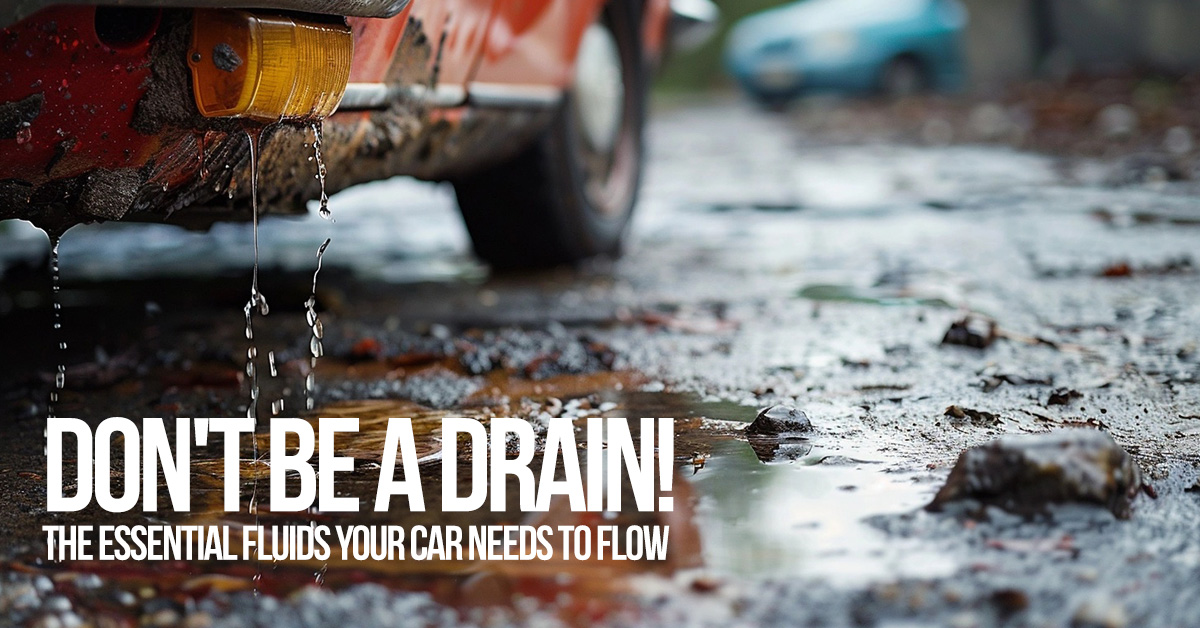
Don’t Be a Drain! The Essential Fluids Your Car Needs to Flow
We all know cars need gas to go, but have you ever stopped to think about the other vital fluids keeping your vehicle humming along? It might surprise you to learn that at any given time, your car can be carrying over 20 gallons of various liquids! These fluids play a critical role in everything from engine performance to safe stopping. So, let’s pop the hood (metaphorically, of course) and dive into the fascinating world of essential car fluids.
The Life Blood: Gas
This one’s a no-brainer. Gas, or gasoline, provides the energy your car’s engine craves to run. A typical car’s gas tank holds around 12 gallons, with larger vehicles boasting even more capacity. The gas tank acts as a storage unit, feeding the engine through a fuel line (like a straw!). The fuel injector then takes over, pushing the gas into the engine where it ignites, creating the power to get you where you need to go.
Keeping Things Smooth: Engine Oil
Think of engine oil as the superhero protecting your car’s engine. This amazing lubricant keeps all the moving parts happy by reducing friction and wear and tear. Most cars hold around 4-5 quarts of oil, which needs to be changed regularly (every 3 months or 3,000-6,000 miles) to maintain its effectiveness. Clean oil is like a health potion for your engine, ensuring smooth operation and a longer lifespan.
Cool Customer: Anti-Freeze/Engine Coolant
Keeping your engine from overheating is crucial, and that’s where anti-freeze (or coolant) comes in. Modern coolant is usually premixed and designed to last year-round. It circulates through the engine thanks to the water pump, absorbing heat and then releasing it through the radiator (like a car’s air conditioner!). Coolant levels should be checked regularly, and the system flushed and coolant replaced annually. This keeps your engine from becoming a hot mess (literally).
Shifting Gears: Transmission Fluid
Your car’s transmission fluid is a multi-tasking marvel. It acts as a lubricant, reducing friction between moving parts. It also functions as a hydraulic fluid, transmitting power from the engine to the wheels. And to top it all off, it even helps cool things down! Transmission fluid capacity can be surprising, with most cars carrying a hefty 12-16 quarts.
Stopping Power: Brake Fluid
Brake fluid is a safety superstar. This essential fluid is the secret weapon behind your car’s braking system. When you press down on the brake pedal, brake fluid transmits that pressure through the brake lines, forcing the brake pads and shoes to press against the rotors. Without brake fluid, stopping would be a Flintstone-style situation (cue the leg muscles!). While the capacity is relatively small (around 1 quart), brake fluid is vital for safe driving.
Clear View: Windshield Washer Fluid
Don’t underestimate the power of windshield washer fluid! Especially for those who battle snow, sleet, or just plain dirty roads, this fluid is a lifesaver (or should we say, a road-saver?). While southern drivers might get away with just water in the washer fluid reservoir, northern climates require an anti-freeze mixture to prevent freezing. This typically blue liquid (about a gallon’s worth) keeps your windshield clean and your vision clear, ensuring a safe journey.
Be Fluid About Your Insurance
Just like your car needs the right fluids to run smoothly, your insurance needs might change over time. That’s why it’s important to regularly compare auto insurance rates and adjust your coverage as needed. We can help! Contact one of our independent auto insurance agents today for a free review and quote. Don’t let outdated insurance leave you stranded on the side of the road!
So, there you have it! The next time you get behind the wheel, remember the amazing fluids working tirelessly to keep your car running safely and efficiently. Happy driving!
Do you have questions about your insurance? Find an insurance agent near you with our Agent Finder
Search All Blogs
Read More Blogs

The Unforgettable Eight: Women Who Captured Our Hearts
Meet the eight women who are loved by all.

Elevate Your Enterprise: 11 Smart Ways to Boost Business Professionalism
Boost your business’s professionalism without breaking the bank.

Lightening the Load: A Guide to Decluttering for Your Loved Ones
Declutter for peace of mind, yours and theirs.

Smart Car Buying: Beyond the Sticker Price
Unlock the hidden costs of car ownership.

6 Simple Steps to Supercharge Your Home Security
Simple, affordable ways to protect your home.

Beyond Boredom: Unearthing the Surprising Stories Behind Our Favorite Board Games
Game night secrets revealed! Discover the surprising origins and quirky facts behind your beloved board games.

Avoiding the Pitfalls: Common Mistakes of At-Home Businesses
Launch your home business right! Learn to avoid the common errors that can derail your entrepreneurial dreams.

Your Life Insurance Recipe: Crafting the Perfect Blend for Your Family’s Future
Find your perfect life insurance mix: Learn how to blend term and permanent policies for optimal family protection.

From Ford’s Innovation to Today’s Marvel: Unveiling the Secrets of Modern Car Production
Beyond the assembly line: Discover the surprising speed, customization, and quality checks involved in modern car manufacturing.

Beyond Pizza and Promises: Recognizing When It’s Time to Hire Professional Movers
Time to call the pros? Learn when pizza and beer just won’t cut it for your next move.