Skids, Slush, and Safety: How Your Auto Insurance Navigates the December Driving Nightmare
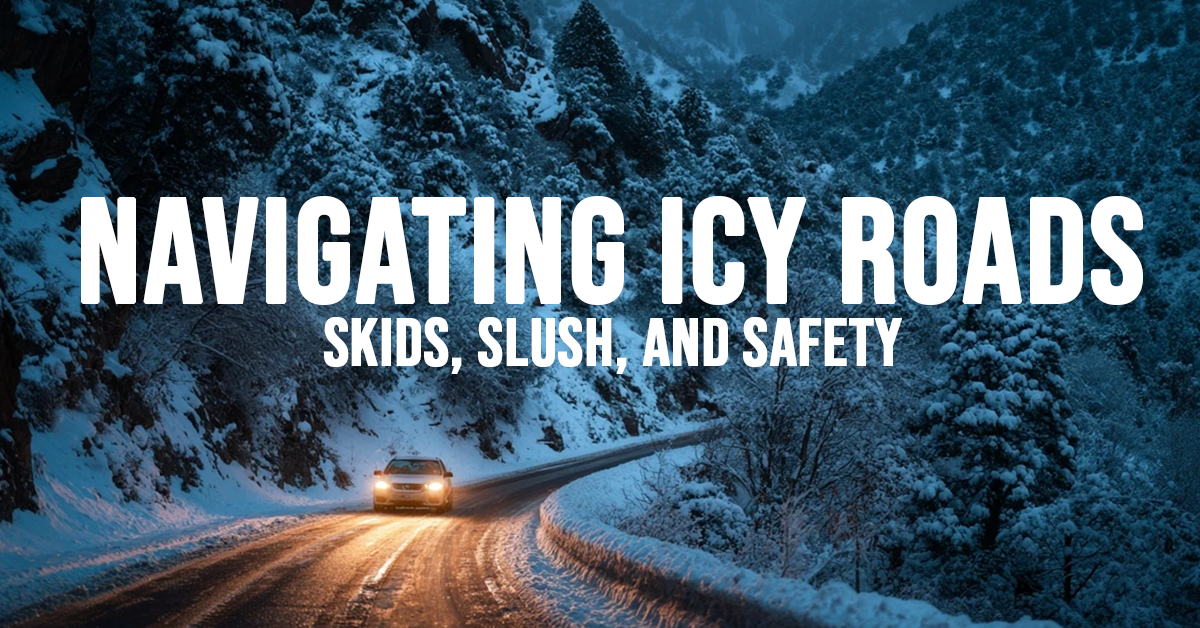
Skids, Slush, and Safety: How Your Auto Insurance Navigates the December Driving Nightmare
December is arguably one of the most challenging months for drivers. Not only are the roads slick with ice and slush, but the stress of holiday shopping, coupled with reduced daylight hours, means every trip to the grocery store or the family gathering carries an elevated risk. For every driver, this is the season to stop and seriously consider the adequacy of their auto insurance. It’s the safety net you absolutely must have when you find yourself in a skid on black ice.
The core protection for winter driving lies in your Collision and Comprehensive coverage. These two components are the bedrock of financial recovery after a winter incident.
Collision coverage is straightforward: it pays to repair or replace your vehicle if it’s damaged in an accident involving another vehicle or object (like a guardrail or a telephone pole). In December, with limited traction and visibility, the likelihood of an accident increases dramatically. Whether you slide into a median because of black ice or have a fender-bender in a crowded mall parking lot, Collision coverage is what steps in. It’s crucial to remember that this coverage is usually subject to a deductible, which is the out-of-pocket amount you must pay before your insurance kicks in. A higher deductible means a lower premium, but be sure you have the liquid funds available to cover that amount if you need to file a claim during the busy (and expensive) holiday season.
Comprehensive coverage, on the other hand, covers non-collision events. In the context of December, this protection is invaluable. Imagine this scenario: a tree, heavy with ice and snow, falls on your parked car; a deer, driven to the roadsides for food, runs into your path; or your car is stolen while you are on a holiday trip. These are all scenarios covered by Comprehensive insurance. It also covers damage from extreme weather like hail or high winds, and, perhaps most relevantly during the holidays, theft of your vehicle or its contents. If your car is broken into and your expensive holiday gifts are stolen from the trunk, Comprehensive coverage can help reimburse you (less your deductible) for the loss.
Beyond damage to your own vehicle, the heightened risk of December driving makes Liability coverage paramount. If you are found at fault in an accident, your Liability coverage pays for the other party’s medical bills (Bodily Injury Liability) and property damage (Property Damage Liability). Given the high costs of modern medical care and vehicle repair, carrying the state minimum liability limits is often a dangerous financial gamble. An accident on an icy highway could easily result in costs that exceed minimum coverage, leaving your personal assets vulnerable. In the heavy traffic and stressful environment of the holidays, opting for higher liability limits is a responsible decision that protects your long-term financial health.
Finally, consider adding Roadside Assistance to your policy this month. Breaking down in freezing temperatures can be dangerous. Roadside assistance ensures you have a number to call for a tow, a jump start, or a tire change, offering a critical layer of safety when weather conditions are at their worst.
Before you hit the road for your next holiday engagement, take five minutes to review your auto policy. Ensure your coverages are appropriate for the increased risks of winter and the true value of your vehicle. Drive carefully, allow extra following distance, and let your robust auto insurance coverage be the silent guardian that allows you to enjoy the season without worry.
Do you have questions about your insurance? Find an insurance agent near you with our Agent Finder
Search All Blogs
Read More Blogs
The October Weekend Checklist: Smart Home Maintenance Projects Before the Freeze
Get your home winter-ready with this practical, step-by-step October weekend maintenance checklist.

Defending the Digital Frontier: Why Every Small Business Needs Cyber Liability Insurance
Safeguard your company’s digital assets and customer data against modern cyber threats and ransomware.

Term vs. Permanent Life Insurance: Choosing the Right Strategy for Your Life Stage
Compare term and permanent life insurance options to find the ideal fit for your current life stage.
Decoding Deductibles: How to Balance Out-of-Pocket Risk and Monthly Premiums on Your Car Insurance
Master auto insurance deductibles to strike the ideal balance between monthly savings and claim protection.

Spotting the Gaps: Why Standard HO-3 Policies Aren’t Enough for Today’s Homeowners
Close coverage gaps in your homeowners policy with these essential property endorsement strategies.

Embracing Autumn’s Rhythm: Practical Ways to Reset, Refresh, and Prepare Your Life for the Season Ahead
Refresh your routine this fall with practical tips for seasonal organization, wellness, and mindful living.

Strengthening Your Enterprise: Essential Commercial Insurance Strategies for Modern Business Owners
Essential commercial insurance insights to safeguard your business assets, employees, and digital operations.
More Than a Safety Net: Why Life Insurance Is a Core Pillar of Comprehensive Family Financial Planning
Learn how modern life insurance strategies protect your family’s financial future and secure generational stability.

How Telematics, Advanced Vehicle Tech, and New Rates Are Reshaping Auto Insurance
Master auto insurance trends this fall with expert insights on telematics, EV repair costs, and maximizing driver discounts.

Protecting Your Investment Amid Shifting Climate Realities
Essential tips for updating home coverage, handling rebuild inflation, and securing the best rates this fall.