How Do States Know If You Have Car Insurance?

How Do States Know If You Have Car Insurance?
Every state requires drivers to maintain certain minimum levels of car insurance. But how do states know if you have car insurance?
How States Verify Car Insurance
States use a variety of methods to verify that drivers have the required levels of car insurance. Some of the most common methods include:
- Random checks: States may conduct random checks to make sure drivers have car insurance. This can involve mailing out requests for proof of insurance or having law enforcement officers check drivers’ insurance status during traffic stops.
- DMV records: Many states have systems that link insurance companies to the DMV. This allows the DMV to track which drivers have insurance and which drivers do not.
- Electronic proof of insurance: Many states now allow drivers to show proof of insurance electronically. This can be done through a smartphone app or by showing a police officer an electronic insurance card.
Why is it important to have car insurance?
Car insurance is important because it can protect you financially in the event of an accident. If you are involved in an accident and you do not have car insurance, you could be held responsible for paying for damages to other vehicles and property, as well as medical expenses for injured people.
How to get car insurance
Getting car insurance is easy. You can get a quote from an insurance agent or online. Once you have a quote, you can choose the coverage that’s right for you and purchase a policy.
Contact us today to get a free quote on car insurance. We can help you find the coverage you need at the best price.
Do you have questions about your insurance? Find an insurance agent near you with our Agent Finder
Search All Blogs
Read More Blogs
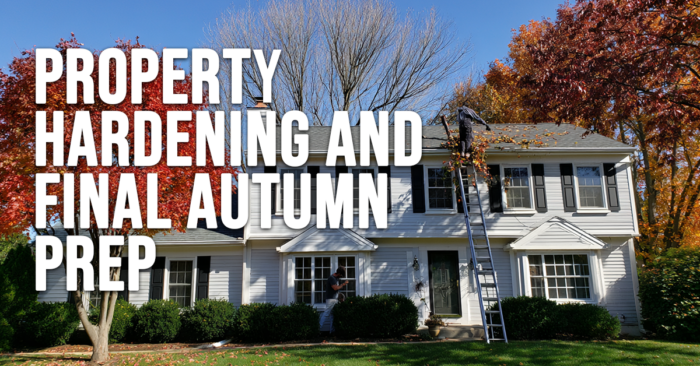
Property Hardening and Final Autumn Prep
Ensure complete residential resilience ahead of the equinox by finalizing gutter clearing, testing heating systems, and verifying replacement cost policy limits.

Cultivating Mid-September Wellness and Routine Resilience
Discover how to establish balanced autumn routines, maintain nutritional vitality with protein-forward habits, and enjoy the refreshing energy of mid-September.
Commercial Risk Management
Business leaders can secure fourth-quarter operations by conducting mid-September audits of commercial property, liability, and business interruption policies.

Family Financial Planning
Utilize the steady pace of mid-September to assess your life insurance coverage, evaluate income replacement needs, and secure your family’s financial future.
Road Safety and Vehicle Maintenance
Navigate mid-September roadway dynamics with confidence by optimizing your auto insurance policy, checking vehicle safety systems, and preparing for changing driving conditions.
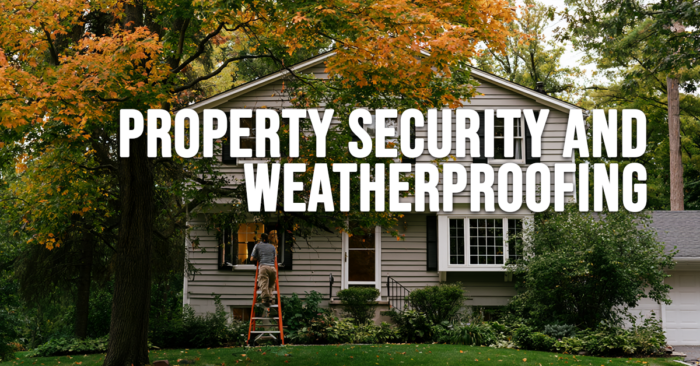
Property Security and Weatherproofing
Ensure complete residential resilience by clearing perimeter debris, inspecting weather seals, and verifying appropriate insurance coverage limits as September progresses.

Cultivating Autumn Wellness and Daily Routines
Discover how to establish balanced autumn routines, maintain nutritional vitality with protein-forward habits, and enjoy the refreshing energy of mid-September.

Mid-Quarter Risk Management and Operational Resilience
Business leaders can ensure fourth-quarter stability by conducting mid-September audits of commercial property, liability, and business interruption policies.

Mid-Year Financial Reviews and Family Security
Utilize the steady pace of mid-September to evaluate your life insurance coverage, assess income replacement needs, and safeguard your household’s financial future.

Managing Mid-September Traffic Density and Vehicle Readiness
Navigate increased September traffic and shifting roadway conditions by optimizing your auto insurance policy and ensuring peak mechanical vehicle readiness.