Your Credit Score Can Affect Your Car Insurance Rates: Here’s Why

Your Credit Score Can Affect Your Car Insurance Rates: Here’s Why
Your credit score is one of the most important factors that insurance companies use to determine your car insurance rates. In fact, people with poor credit can pay two or three times more for car insurance than people with good credit.
There are a few reasons why insurance companies use credit scores to set rates. First, studies have shown that people with poor credit are more likely to file claims than people with good credit. Second, people with poor credit are more likely to let their policies lapse.
If you’re paying too much for car insurance, there are a few things you can do to improve your rates:
- Improve your driving record. The fewer accidents and tickets you have, the lower your rates will be.
- Increase your deductible. Raising your deductible will lower your monthly premiums.
- Bundle your insurance policies. If you have multiple insurance policies, such as homeowners’ insurance and life insurance, you may be able to get a discount by bundling them together.
- Shop around for quotes from different insurers. Insurance rates can vary widely from company to company, so it’s important to compare quotes before you buy a policy.
You can also contact an independent insurance agent to help you find the best coverage for your needs at the best price.
Here are some additional tips for improving your credit score:
- Pay your bills on time and in full each month.
- Keep your credit utilization low. This means using less than 30% of your available credit each month.
- Avoid opening new credit accounts unnecessarily.
- Dispute any inaccurate information on your credit report.
By following these tips, you can improve your credit score and save money on your car insurance.
Do you have questions about your insurance? Find an insurance agent near you with our Agent Finder
Search All Blogs
Read More Blogs

Managing Mid-September Traffic Density and Vehicle Readiness
Navigate increased September traffic and shifting roadway conditions by optimizing your auto insurance policy and ensuring peak mechanical vehicle readiness.
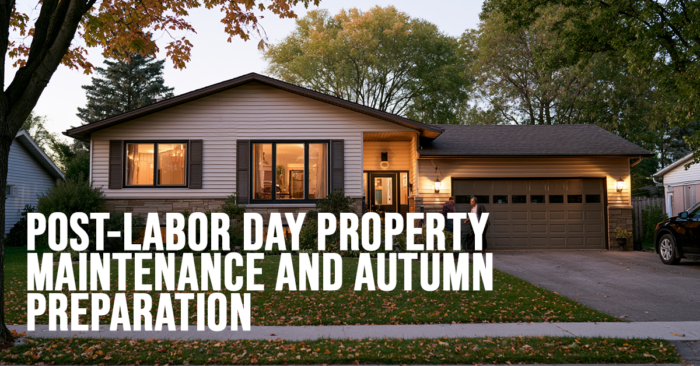
Post-Labor Day Property Maintenance and Autumn Preparation
Transition your property protection into mid-September by addressing post-summer wear, clearing drainage systems, and verifying adequate replacement cost coverage.

Embracing National Preparedness and Lifestyle Resilience in September
This article explores how to build personal and household resilience through National Preparedness Month strategies and nutritional grounding as summer transitions to fall.

Safeguarding Commercial Continuity as Autumn Begins
Business owners can ensure seamless fourth-quarter preparations by auditing workers’ compensation, property policies, and liability frameworks as September begins.

Honoring Labor Day Through Long-Term Family Protection
Discover how life insurance acts as the ultimate guarantor of your daily labor, providing essential financial continuity, debt neutralization, and protection for loved ones as autumn approaches.

Fortifying Your Dwelling for the Autumn Transition
This guide explores how homeowners can protect their properties against seasonal risks through proactive gutter maintenance, roof inspections, and updated replacement cost coverage as the calendar shifts to September.

National Aviation Day and the History of Flight
Celebrate National Aviation Day by exploring the history of flight and how early aviation pioneered modern risk management principles.

Commercial Readiness for the Q4 Rush
Prepare your business for the high-stakes fourth quarter by auditing commercial property, liability, and cyber insurance portfolios.
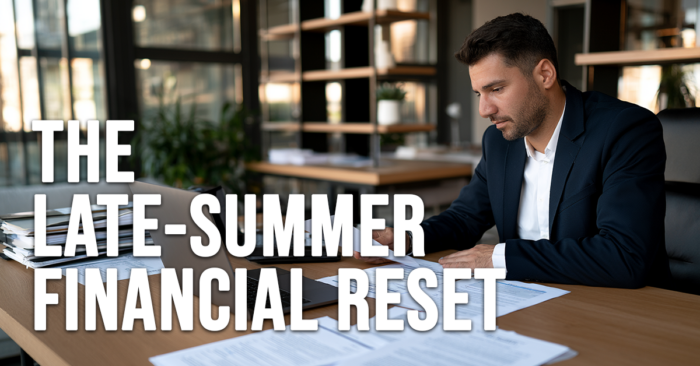
The Late-Summer Financial Reset
Conduct a mid-to-late-year financial reset to update your life insurance coverage, review beneficiary designations, and secure your family’s future

Navigating the Back-to-School Rush
Navigate the high-density back-to-school traffic rush safely by practicing defensive driving and optimizing your family auto insurance policy.