RV Insurance: Does My Auto Insurance Cover My RV?
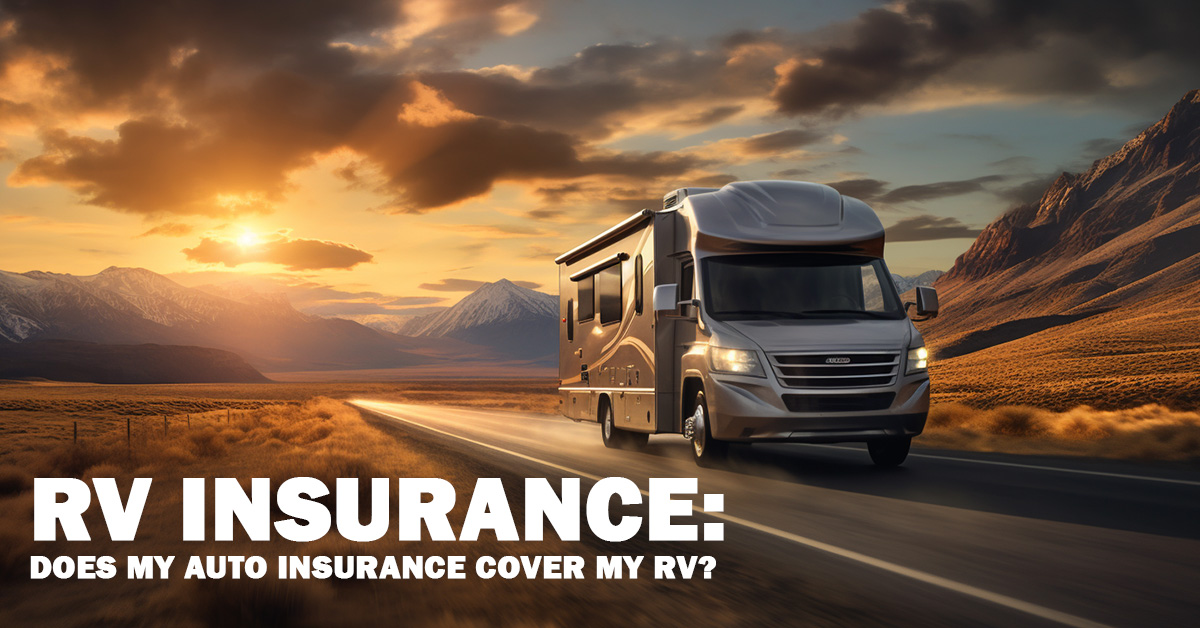
RV Insurance: Does My Auto Insurance Cover My RV?
Most people have auto insurance, but what about RV insurance? Do you need a separate policy for your RV, or does your auto insurance cover it?
The answer is: it depends.
In most cases, your auto insurance will provide some coverage for your RV, but it may not be enough. Here’s a breakdown of what your auto insurance typically covers and what it doesn’t:
What your auto insurance covers:
- Liability coverage: This covers you if you’re at fault for an accident and injure someone or damage their property.
- Medical payments coverage: This helps pay for medical expenses for you and your passengers if you’re injured in an accident.
- Uninsured/underinsured motorist coverage: This protects you if you’re hit by a driver who doesn’t have insurance or doesn’t have enough insurance to cover your damages.
What your auto insurance doesn’t cover:
- Physical damage to your RV: This includes damage from accidents, weather events, vandalism, and theft.
- Replacement cost of your RV: If your RV is totaled, your auto insurance will only pay you the depreciated value of your vehicle.
- Personal belongings inside your RV: Your auto insurance won’t cover the cost of replacing your personal belongings if they’re damaged or stolen from your RV.
Why do you need RV insurance?
Even though your auto insurance may provide some coverage for your RV, it’s important to consider getting RV insurance for the following reasons:
- More comprehensive coverage: RV insurance is designed specifically to protect your RV and its contents. It typically includes coverage for physical damage, replacement cost, and personal belongings.
- Higher coverage limits: RV insurance policies typically have higher coverage limits than auto insurance policies. This means you can get more coverage for your RV and its contents without having to pay a lot extra.
- Peace of mind: Knowing that your RV is fully protected can give you peace of mind when you’re on the road.
How to get the best RV insurance coverage
When shopping for RV insurance, it’s important to compare quotes from multiple insurers. Be sure to ask about the following coverage options:
- Physical damage coverage: This covers damage to your RV from accidents, weather events, vandalism, and theft.
- Replacement cost coverage: This pays to replace your RV if it’s totaled.
- Personal belongings coverage: This covers the cost of replacing your personal belongings if they’re damaged or stolen from your RV.
- Additional coverage options: Many RV insurance companies offer additional coverage options, such as campsite liability coverage and roadside assistance.
Conclusion
Whether or not your auto insurance covers your RV depends on the type of coverage you have and the specific insurer. It’s important to review your auto insurance policy to understand what coverage you have and whether or not it’s enough for your needs. If you’re not sure, it’s always a good idea to contact your insurance agent and get a quote for RV insurance.
Additional tips
- If you’re financing your RV, your lender will likely require you to have RV insurance.
- If you’re towing your RV behind your car, you may need to purchase additional coverage for your trailer.
- Be sure to compare quotes from multiple insurers before you buy RV insurance.
- Ask your insurance agent about any discounts that may be available to you, such as good driver discounts and bundling discounts.
By following these tips, you can get the best RV insurance coverage for your needs and budget.
Do you have questions about your insurance? Find an insurance agent near you with our Agent Finder
Search All Blogs
Read More Blogs
Hitting the Trails: Why October Is the Ultimate Month for Hiking and Outdoor Exploration
Make the most of autumn weather with tips for safe, scenic weekend hiking and outdoor adventures.
Umbrella Policies for Businesses: Adding an Extra Layer of Defense Against Major Lawsuits
Shield your business assets from massive liability claims with a commercial umbrella policy.
Business Continuity Planning: Using Key Person Life Insurance to Protect Your Enterprise
Safeguard your company’s financial stability and continuity with strategic key person life insurance.
Understanding Uninsured Motorist Coverage: The Hidden Shield on Your Auto Policy
Protect yourself from reckless drivers with comprehensive uninsured motorist policy coverage.
Smart Home Tech and Insurance Discounts: How Automation Lowers Your Premiums
Lower your home insurance bills by integrating smart home monitoring and safety technology.

Fueling Your Body for Cooler Days: Exploring Autumn’s Best Harvest Superfoods
Boost your immune health and energy this fall with delicious seasonal harvest recipes and superfoods.
Beyond the Basics: Understanding the Critical Role of Business Interruption Coverage
Protect your company’s cash flow during unexpected operational shutdowns with business interruption coverage.

Locking In Your Advantage: Why Buying Life Insurance Early Locks in Lifetime Savings
See why locking in a life insurance policy during your 20s or 30s yields massive long-term savings.
Teen Drivers and Auto Insurance: Strategies for Managing Premiums Without Sacrificing Safety
Navigate adding a young driver to your auto policy while keeping premium costs under control.

The High Cost of Building: Why Your Home Replacement Value Needs an Update This Year
Ensure your home rebuilding limits keep pace with current construction inflation rates.