Stop, Drop, and Don’t Burn! 5 Easy Steps to Fireproof Your Home

Stop, Drop, and Don’t Burn! 5 Easy Steps to Fireproof Your Home
Fire drills are important, but wouldn’t it be better to prevent a fire from happening in the first place? Here’s the good news: a fire-resistive home isn’t a fantasy – it’s totally achievable! With a few simple steps, you can significantly reduce your risk of a fire and keep your family and home safe. Let’s turn up the safety volume and learn 5 easy ways to stop fires before they start!
- Feeling the Heat? It Shouldn’t Be Your Outlet!
Ever brush your hand against a wall outlet and yelp in surprise? That shouldn’t be happening! Warm outlets are a red flag, potentially indicating a lurking electrical problem that could spark a fire. Here’s what to do: gently place your hand over the outlet (without touching any metal parts!). If it feels warm or hot, shut off the corresponding circuit breaker and call a qualified electrician ASAP.
- Flickering Lights? Don’t Let the Show Stopper Be a Firestarter!
Light switches should operate smoothly, like a well-oiled machine. If yours feel loose, have flickering lights, or seem a bit iffy, it might be time for a replacement. These seemingly minor issues could indicate a switch that’s not making proper contact, which can lead to sparks and – you guessed it – fires. While replacing a switch might seem like a breeze, if you’re not an electrical whiz, call in a licensed electrician for help.
- Dryer Vent? More Like Dryer Danger Zone (If You Neglect It!)
Did you know clogged dryer vents are responsible for thousands of house fires every year? Yikes! The solution is simple: keep your dryer vent clean and clear of any lint or debris. This can significantly reduce the risk of a fire starting in your laundry room.
- Keep It Clean: From Ovens to Stovetops, Grease is the Enemy!
Food fires can happen in the blink of an eye, especially if your oven or stovetop is coated in grease and grime. Here’s how to prevent culinary catastrophes:
- Keep flammable materials like dish towels and paper towels far away from burners.
- Regularly clean your oven and stovetop to remove grease buildup, which can ignite during cooking.
- Electrical Cords: Inspect Before You Connect!
This one might seem obvious, but it’s worth mentioning: inspect all electrical cords before using them. Look for frayed wires, loose connections, or any damage. A damaged cord is a fire hazard waiting to happen! Here are some additional power cord safety tips:
- Ensure plugs are securely fastened in outlets.
- Never use a cord that appears damaged or makes lights flicker.
- Avoid using extension cords for high-powered appliances like space heaters or hotplates.
Bonus Tip: A Homeowners Insurance Review – Your Safety Net
While prevention is key, it never hurts to have a safety net. Schedule a free homeowners insurance review with our independent agents. They can help ensure you have the right coverage in place to protect your home and belongings in case of a fire or other unforeseen event.
So there you have it – five easy steps to turn your home into a fireproof fortress (well, almost!). By following these tips and scheduling a homeowners insurance review, you can create a safer environment for your family and give yourself peace of mind. Now go forth and conquer fire safety!
Do you have questions about your insurance? Find an insurance agent near you with our Agent Finder
Search All Blogs
Read More Blogs

Commercial Risk Management
Business leaders can secure fourth-quarter operations by conducting late-September audits of commercial property, liability, and business interruption policies.

Family Financial Strategy
Utilize the steady pace of late-September to assess your life insurance coverage, evaluate income replacement needs, and secure your family’s financial future.

Road Readiness and Commuter Safety
Navigate late-September traffic and cooling morning temperatures by optimizing your auto insurance policy, checking vehicle safety systems, and preparing for autumn roadways.
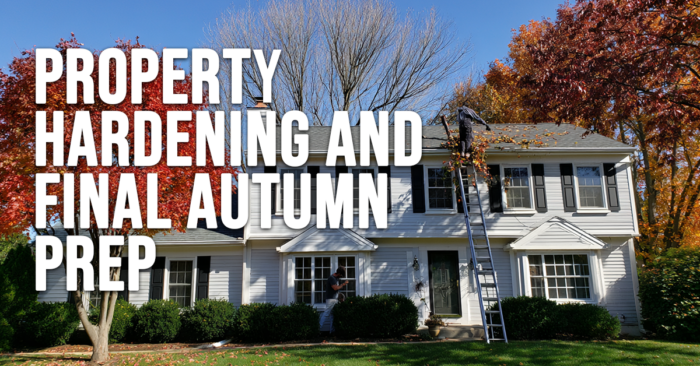
Property Hardening and Final Autumn Prep
Ensure complete residential resilience ahead of the equinox by finalizing gutter clearing, testing heating systems, and verifying replacement cost policy limits.

Cultivating Mid-September Wellness and Routine Resilience
Discover how to establish balanced autumn routines, maintain nutritional vitality with protein-forward habits, and enjoy the refreshing energy of mid-September.

Commercial Risk Management
Business leaders can secure fourth-quarter operations by conducting mid-September audits of commercial property, liability, and business interruption policies.

Family Financial Planning
Utilize the steady pace of mid-September to assess your life insurance coverage, evaluate income replacement needs, and secure your family’s financial future.

Road Safety and Vehicle Maintenance
Navigate mid-September roadway dynamics with confidence by optimizing your auto insurance policy, checking vehicle safety systems, and preparing for changing driving conditions.
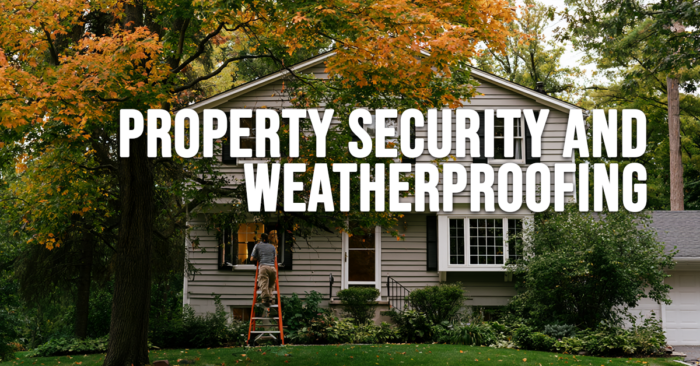
Property Security and Weatherproofing
Ensure complete residential resilience by clearing perimeter debris, inspecting weather seals, and verifying appropriate insurance coverage limits as September progresses.

Cultivating Autumn Wellness and Daily Routines
Discover how to establish balanced autumn routines, maintain nutritional vitality with protein-forward habits, and enjoy the refreshing energy of mid-September.