Unsolved Automotive Mysteries: Debunking Car-Related Curiosities
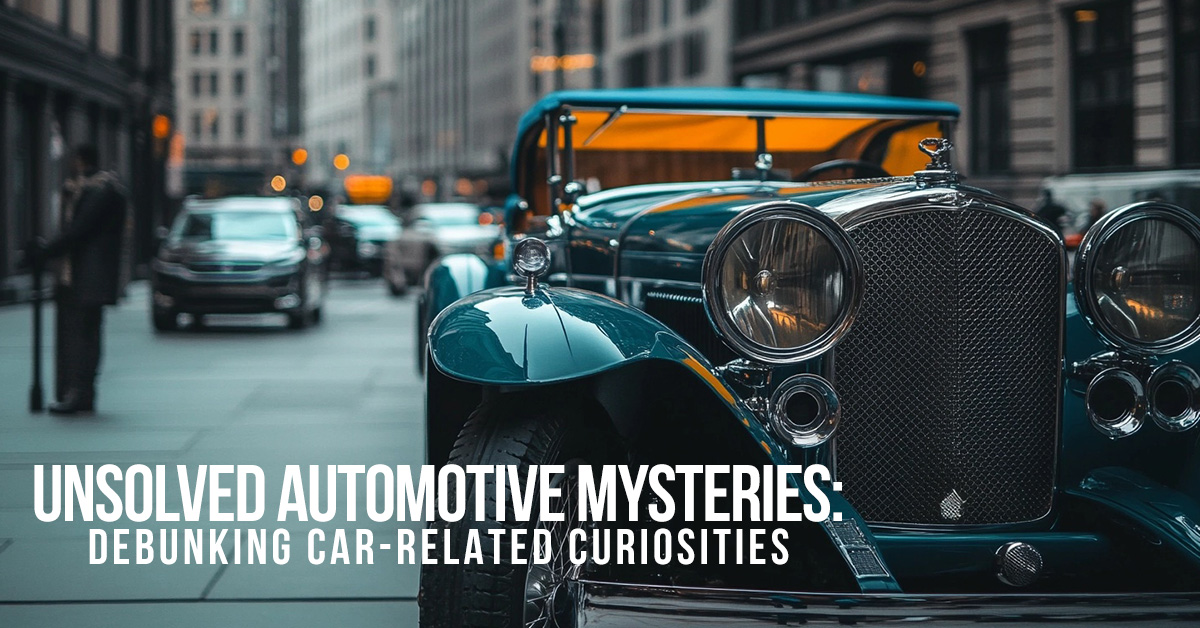
Unsolved Automotive Mysteries: Debunking Car-Related Curiosities
Driving a car can sometimes feel like navigating a series of mysteries. Why do we call them “blinkers”? Why are tires black? These seemingly simple questions often lack straightforward answers. This article delves into some of the most intriguing car-related curiosities, providing a glimpse into the history and evolution of automotive terminology and practices.
Why Do We Drive on Different Sides of the Road?
The origin of left-hand and right-hand traffic patterns dates back centuries.
- Left-Hand Traffic: It’s believed that left-hand traffic originated when travelers and horsemen kept to the left side of the road to keep their right hand free to draw their swords in case of an attack.
- Right-Hand Traffic: In many countries, including the United States, driving on the right side of the road is the norm. This practice is attributed to the influence of the United States, which adopted right-hand traffic to differentiate itself from British practices.
Why Are Turn Signals Called “Blinkers”?
The term “blinker” is a fitting description for turn signals due to their rapid on-and-off motion. This blinking action effectively alerts other drivers to the intended direction change, much like the blinking of an eye.
Why Are Car Hoods Called “Bonnets”?
The term “bonnet” for the front cover of a car originates from the Old French word “bonet,” which refers to a cloth covering. In contrast, the American term “hood” derives from the Old English word “hod,” which describes a soft head covering.
Why Are Car Seats Called “Bucket Seats”?
Early car seats were often tall, rounded, and had high sides, resembling buckets. This physical resemblance led to the term “bucket seats,” which has persisted despite the evolution of seat designs over the years.
Why Are Tires Black?
While raw rubber is naturally a milky white color, car tires are predominantly black due to the addition of carbon black. This additive serves several crucial functions:
- Strength and Durability: Carbon black significantly enhances the strength and durability of tires, making them more resistant to wear and tear.
- UV Resistance: The black color provides protection against the damaging effects of ultraviolet (UV) radiation from the sun.
Why Are Engines Rated in Horsepower?
The concept of horsepower as a measure of engine power originated with steam engines. As steam engines replaced horses in locomotives, their power output began to be measured in terms of the number of horses they could replace. When automobiles emerged as a form of transportation, the “horsepower” metric was naturally adopted to quantify their engine power.
Finding the Best Auto Insurance Rates:
While this article explores some of the more curious aspects of the automotive world, a more practical concern for most drivers is finding the best auto insurance rates.
- Compare Rates: The most effective way to save on auto insurance is to compare rates from different insurers.
- Independent Agents: Independent insurance agents can provide valuable assistance by comparing rates from multiple insurance companies, helping you find the best coverage at the most competitive price.
By understanding the origins of these car-related terms and practices, we gain a deeper appreciation for the history and evolution of the automotive industry.
Disclaimer: This article provides general information and should not be considered financial or legal advice.
Do you have questions about your insurance? Find an insurance agent near you with our Agent Finder
Search All Blogs
Read More Blogs

Term vs. Permanent Life Insurance: Choosing the Right Strategy for Your Life Stage
Compare term and permanent life insurance options to find the ideal fit for your current life stage.

Decoding Deductibles: How to Balance Out-of-Pocket Risk and Monthly Premiums on Your Car Insurance
Master auto insurance deductibles to strike the ideal balance between monthly savings and claim protection.

Spotting the Gaps: Why Standard HO-3 Policies Aren’t Enough for Today’s Homeowners
Close coverage gaps in your homeowners policy with these essential property endorsement strategies.

Embracing Autumn’s Rhythm: Practical Ways to Reset, Refresh, and Prepare Your Life for the Season Ahead
Refresh your routine this fall with practical tips for seasonal organization, wellness, and mindful living.

Strengthening Your Enterprise: Essential Commercial Insurance Strategies for Modern Business Owners
Essential commercial insurance insights to safeguard your business assets, employees, and digital operations.

More Than a Safety Net: Why Life Insurance Is a Core Pillar of Comprehensive Family Financial Planning
Learn how modern life insurance strategies protect your family’s financial future and secure generational stability.

How Telematics, Advanced Vehicle Tech, and New Rates Are Reshaping Auto Insurance
Master auto insurance trends this fall with expert insights on telematics, EV repair costs, and maximizing driver discounts.

Protecting Your Investment Amid Shifting Climate Realities
Essential tips for updating home coverage, handling rebuild inflation, and securing the best rates this fall.

Cultivating Wellness and Equinox Balance
Discover how to establish balanced autumn routines, maintain nutritional vitality with protein-forward habits, and enjoy the refreshing energy of the equinox transition.

Commercial Risk Management
Business leaders can secure fourth-quarter operations by conducting late-September audits of commercial property, liability, and business interruption policies.