The Root of the Wildfires
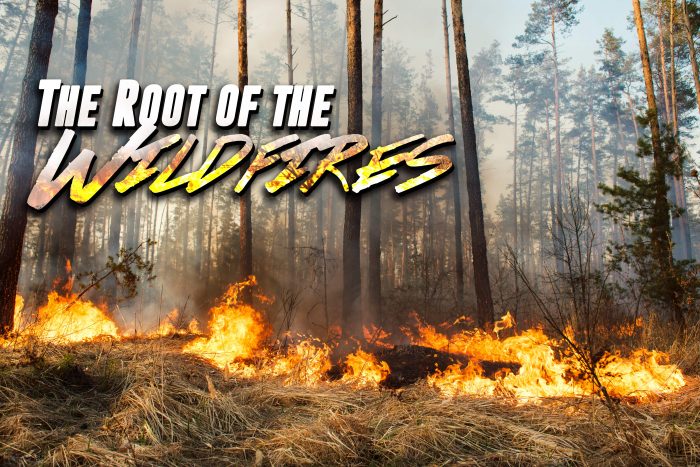
A wildfire is a massive fire that burns down large fields or forests. Based on facts from National Geographic.com, more than 100,000 wildfires happen in the United States every year. These fires burn up to 5 million acres, moving at a speed of about 14 MPH. Wildfires are not considerate of what lies in its path—from millions of trees to homes—everything gets wiped out.
Although wildfires can be a natural key part to helping shape our ecosystems, 90% are caused by humans. The activities of humans paired with carelessness is the number one cause of forest fires.
What are the major causes of wildfires involving human activities?
- Burning Debris: After raking leaves and trimming trees, burning the yard waste is the most common way of getting rid of it. However, it is not the safest, especially in a low humidity, dry environment. This can easily spread the flames at an alarming rate.
What to do instead? Sometimes your local laws allow for burning of the waste. However, it is not always recommended. If possible, load up your trimmings into a truck and take it to a dump. If it is not possible, check weather conditions, local regulations, and distance. Make sure there is an excess amount of clearance space above and surrounding your burn pile. When finished, be sure to drown the pile with water.
- Unattended Campfires: Similar to burn piles, unattended campfires can spread quickly depending on the weather conditions. When driving into national forests, there are signs scattered along side the roads, stating “Drown campfires!” Or sometimes even “No campfires!” On no occasion should you leave your campfire burning Before you leave your campsite, please be sure your fire is completely out.
What to do instead? Some forests will require a campfire permit. If you are camping, check to see if a permit is required, and check to see if there are any local fire restrictions. If there are no laws against your fire, be sure to have a bucket of water on hand along with a shovel. Drown the fire with water and use the shovel to “stir” the dirt to put out any remaining embers.
- Cigarette Butts: This is another common cause of wildfires. Smokers neglecting their responsibility to properly dispose of the bud can burn an entire forest down, even spreading into neighborhoods.
What to do instead? Never throw a butt on the ground that is still burning. Please be absolutely sure that the cigarette is completely out. Properly dispose of your cigarette bud in a trashcan to keep our forests clean and without fires. Awareness is key to doing the right thing.
Do you have questions about your insurance? Find an insurance agent near you with our Agent Finder
Search All Blogs
Read More Blogs

Embracing Autumn’s Rhythm: Practical Ways to Reset, Refresh, and Prepare Your Life for the Season Ahead
Refresh your routine this fall with practical tips for seasonal organization, wellness, and mindful living.

Strengthening Your Enterprise: Essential Commercial Insurance Strategies for Modern Business Owners
Essential commercial insurance insights to safeguard your business assets, employees, and digital operations.
More Than a Safety Net: Why Life Insurance Is a Core Pillar of Comprehensive Family Financial Planning
Learn how modern life insurance strategies protect your family’s financial future and secure generational stability.

How Telematics, Advanced Vehicle Tech, and New Rates Are Reshaping Auto Insurance
Master auto insurance trends this fall with expert insights on telematics, EV repair costs, and maximizing driver discounts.
Protecting Your Investment Amid Shifting Climate Realities
Essential tips for updating home coverage, handling rebuild inflation, and securing the best rates this fall.

Cultivating Wellness and Equinox Balance
Discover how to establish balanced autumn routines, maintain nutritional vitality with protein-forward habits, and enjoy the refreshing energy of the equinox transition.

Commercial Risk Management
Business leaders can secure fourth-quarter operations by conducting late-September audits of commercial property, liability, and business interruption policies.

Family Financial Strategy
Utilize the steady pace of late-September to assess your life insurance coverage, evaluate income replacement needs, and secure your family’s financial future.
Road Readiness and Commuter Safety
Navigate late-September traffic and cooling morning temperatures by optimizing your auto insurance policy, checking vehicle safety systems, and preparing for autumn roadways.
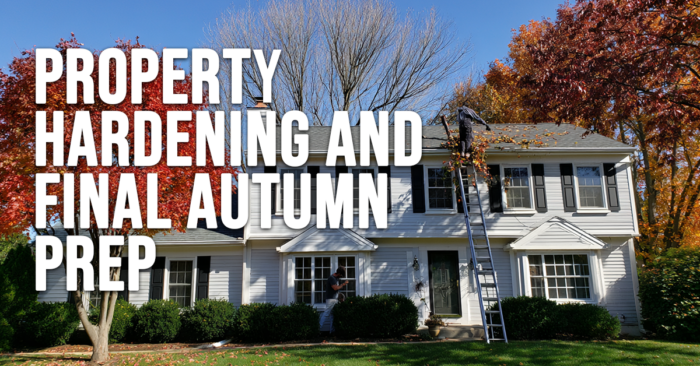
Property Hardening and Final Autumn Prep
Ensure complete residential resilience ahead of the equinox by finalizing gutter clearing, testing heating systems, and verifying replacement cost policy limits.