Don’t Be a Drain! The Essential Fluids Your Car Needs to Flow
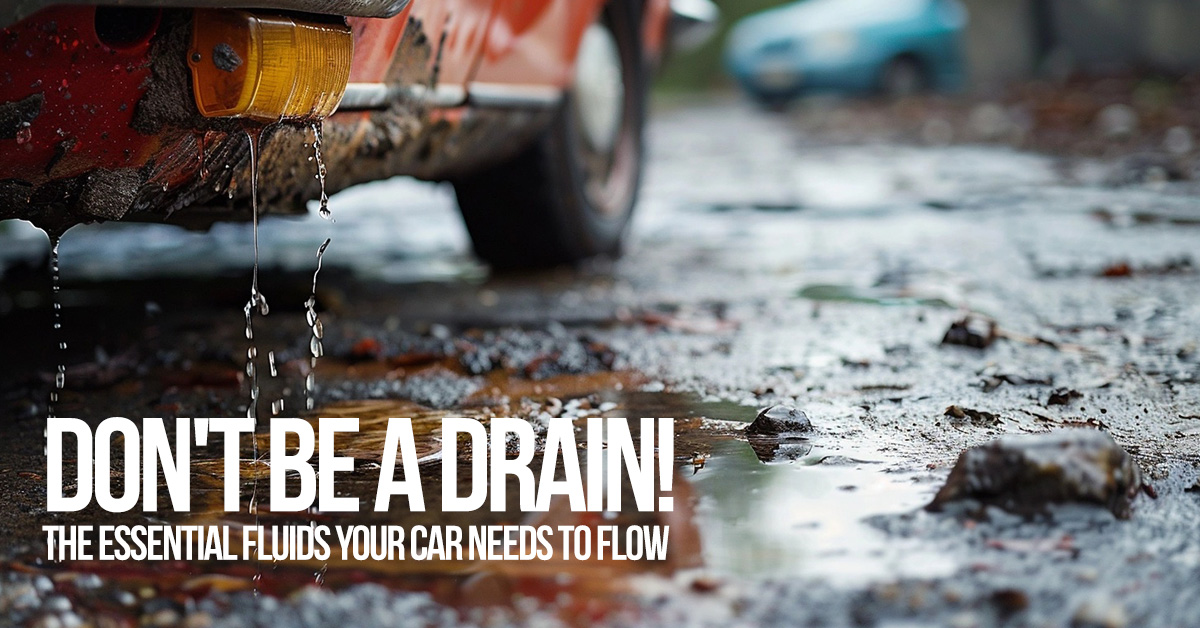
Don’t Be a Drain! The Essential Fluids Your Car Needs to Flow
We all know cars need gas to go, but have you ever stopped to think about the other vital fluids keeping your vehicle humming along? It might surprise you to learn that at any given time, your car can be carrying over 20 gallons of various liquids! These fluids play a critical role in everything from engine performance to safe stopping. So, let’s pop the hood (metaphorically, of course) and dive into the fascinating world of essential car fluids.
The Life Blood: Gas
This one’s a no-brainer. Gas, or gasoline, provides the energy your car’s engine craves to run. A typical car’s gas tank holds around 12 gallons, with larger vehicles boasting even more capacity. The gas tank acts as a storage unit, feeding the engine through a fuel line (like a straw!). The fuel injector then takes over, pushing the gas into the engine where it ignites, creating the power to get you where you need to go.
Keeping Things Smooth: Engine Oil
Think of engine oil as the superhero protecting your car’s engine. This amazing lubricant keeps all the moving parts happy by reducing friction and wear and tear. Most cars hold around 4-5 quarts of oil, which needs to be changed regularly (every 3 months or 3,000-6,000 miles) to maintain its effectiveness. Clean oil is like a health potion for your engine, ensuring smooth operation and a longer lifespan.
Cool Customer: Anti-Freeze/Engine Coolant
Keeping your engine from overheating is crucial, and that’s where anti-freeze (or coolant) comes in. Modern coolant is usually premixed and designed to last year-round. It circulates through the engine thanks to the water pump, absorbing heat and then releasing it through the radiator (like a car’s air conditioner!). Coolant levels should be checked regularly, and the system flushed and coolant replaced annually. This keeps your engine from becoming a hot mess (literally).
Shifting Gears: Transmission Fluid
Your car’s transmission fluid is a multi-tasking marvel. It acts as a lubricant, reducing friction between moving parts. It also functions as a hydraulic fluid, transmitting power from the engine to the wheels. And to top it all off, it even helps cool things down! Transmission fluid capacity can be surprising, with most cars carrying a hefty 12-16 quarts.
Stopping Power: Brake Fluid
Brake fluid is a safety superstar. This essential fluid is the secret weapon behind your car’s braking system. When you press down on the brake pedal, brake fluid transmits that pressure through the brake lines, forcing the brake pads and shoes to press against the rotors. Without brake fluid, stopping would be a Flintstone-style situation (cue the leg muscles!). While the capacity is relatively small (around 1 quart), brake fluid is vital for safe driving.
Clear View: Windshield Washer Fluid
Don’t underestimate the power of windshield washer fluid! Especially for those who battle snow, sleet, or just plain dirty roads, this fluid is a lifesaver (or should we say, a road-saver?). While southern drivers might get away with just water in the washer fluid reservoir, northern climates require an anti-freeze mixture to prevent freezing. This typically blue liquid (about a gallon’s worth) keeps your windshield clean and your vision clear, ensuring a safe journey.
Be Fluid About Your Insurance
Just like your car needs the right fluids to run smoothly, your insurance needs might change over time. That’s why it’s important to regularly compare auto insurance rates and adjust your coverage as needed. We can help! Contact one of our independent auto insurance agents today for a free review and quote. Don’t let outdated insurance leave you stranded on the side of the road!
So, there you have it! The next time you get behind the wheel, remember the amazing fluids working tirelessly to keep your car running safely and efficiently. Happy driving!
Do you have questions about your insurance? Find an insurance agent near you with our Agent Finder
Search All Blogs
Read More Blogs

Reviewing Your Umbrella: Do You Need Personal Liability Protection Beyond Your Home Policy?
Protect your personal net worth and future earnings with a high-limit personal umbrella insurance policy.

Hitting the Trails: Why October Is the Ultimate Month for Hiking and Outdoor Exploration
Make the most of autumn weather with tips for safe, scenic weekend hiking and outdoor adventures.

Umbrella Policies for Businesses: Adding an Extra Layer of Defense Against Major Lawsuits
Shield your business assets from massive liability claims with a commercial umbrella policy.

Business Continuity Planning: Using Key Person Life Insurance to Protect Your Enterprise
Safeguard your company’s financial stability and continuity with strategic key person life insurance.

Understanding Uninsured Motorist Coverage: The Hidden Shield on Your Auto Policy
Protect yourself from reckless drivers with comprehensive uninsured motorist policy coverage.

Smart Home Tech and Insurance Discounts: How Automation Lowers Your Premiums
Lower your home insurance bills by integrating smart home monitoring and safety technology.

Fueling Your Body for Cooler Days: Exploring Autumn’s Best Harvest Superfoods
Boost your immune health and energy this fall with delicious seasonal harvest recipes and superfoods.

Beyond the Basics: Understanding the Critical Role of Business Interruption Coverage
Protect your company’s cash flow during unexpected operational shutdowns with business interruption coverage.

Locking In Your Advantage: Why Buying Life Insurance Early Locks in Lifetime Savings
See why locking in a life insurance policy during your 20s or 30s yields massive long-term savings.

Teen Drivers and Auto Insurance: Strategies for Managing Premiums Without Sacrificing Safety
Navigate adding a young driver to your auto policy while keeping premium costs under control.