Identity Theft Prevention
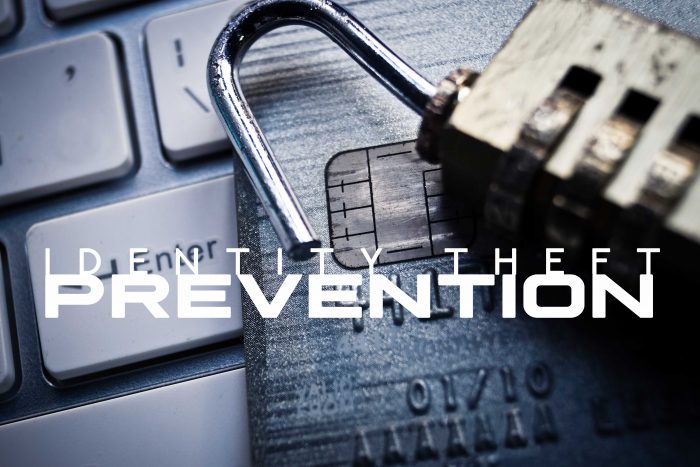
Identity Theft Prevention
When you’re an honest person, it can be hard to understand the mind of a thief. Thieves get a thrill out of committing wrongful acts. But, what does a thief really gain by stealing? The risk of getting caught and going to prison? That kind of life is not for me. I think I’ll stick to working hard to earn the things I need.
What’s one of the worst things a thief could steal from you? Possibly, your identity. The information that verifies who you are.
How does identity theft affect victims? When a thief steals someone’s identity, their personal information is at risk of being exposed on the dark web from anywhere in the world. Victims are immediately susceptible to financial loss, harm to their credit score, even penalties from the IRS if the information is used for tax purposes. Not only can identity theft affect your finances, but also your wellbeing in general. Identity theft can cause major distress and can take up much of your time to resolve the issue.
Take steps to protect yourself from financial loss as a result of identity theft.
- Order your free annual credit report from all three major credit bureaus and review your reports closely for unauthorized activity. Being aware of your credit report helps you keep track of any criminal activity.
- Never share personal information unless you are fully aware of whom you are speaking to. If an unknown number calls you asking for information, do not give out personal information over the phone. Beware of scams.
- Create a different, complex password for each account. For maximum security, use 15+ characters, including symbols, numbers, capital, and lowercase letters.
- Make sure your privacy settings are updated when using public WiFi, or avoid altogether if possible.
- Watch out for potential phishing scams which are intended to download malware onto your device.
- Carefully check over your bank statements and compare with receipts to ensure there are no unauthorized transactions.
- Shred documents and old credit cards that contain personal information which could be acquired by dumpster divers.
- Do not carry important documents containing your personal information in your purse or wallet. Instead, keep these documents secure in a lockbox.
- Collect your mail everyday to prevent theft.
- Do not shop online with unreliable websites. Use only secure checkouts to ensure your financial information is safe. Look for the a lock sign beside the https: part of your website which indicates security.
- Report any lost or stolen items immediately.
- Use a secure password lock on your phone and computer.
Identity theft can be a terrifying violation of privacy. Protect yourself by taking the necessary precautions for prevention.

Do you have questions about your insurance? Find an insurance agent near you with our Agent Finder
Search All Blogs
Read More Blogs

Reviewing Your Umbrella: Do You Need Personal Liability Protection Beyond Your Home Policy?
Protect your personal net worth and future earnings with a high-limit personal umbrella insurance policy.

Hitting the Trails: Why October Is the Ultimate Month for Hiking and Outdoor Exploration
Make the most of autumn weather with tips for safe, scenic weekend hiking and outdoor adventures.

Umbrella Policies for Businesses: Adding an Extra Layer of Defense Against Major Lawsuits
Shield your business assets from massive liability claims with a commercial umbrella policy.

Business Continuity Planning: Using Key Person Life Insurance to Protect Your Enterprise
Safeguard your company’s financial stability and continuity with strategic key person life insurance.
Understanding Uninsured Motorist Coverage: The Hidden Shield on Your Auto Policy
Protect yourself from reckless drivers with comprehensive uninsured motorist policy coverage.

Smart Home Tech and Insurance Discounts: How Automation Lowers Your Premiums
Lower your home insurance bills by integrating smart home monitoring and safety technology.

Fueling Your Body for Cooler Days: Exploring Autumn’s Best Harvest Superfoods
Boost your immune health and energy this fall with delicious seasonal harvest recipes and superfoods.
Beyond the Basics: Understanding the Critical Role of Business Interruption Coverage
Protect your company’s cash flow during unexpected operational shutdowns with business interruption coverage.

Locking In Your Advantage: Why Buying Life Insurance Early Locks in Lifetime Savings
See why locking in a life insurance policy during your 20s or 30s yields massive long-term savings.

Teen Drivers and Auto Insurance: Strategies for Managing Premiums Without Sacrificing Safety
Navigate adding a young driver to your auto policy while keeping premium costs under control.