It’s Diatomaceous Earth Day!!!
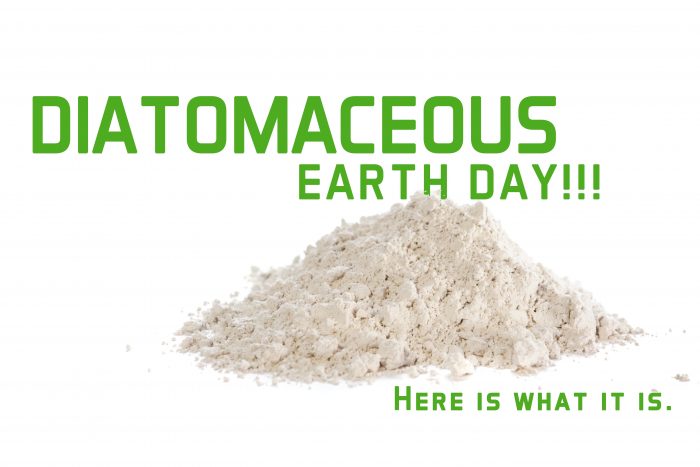
What do you know about diatomaceous earth (DE)? Maybe you’ve heard of it because it’s in your insecticide or you use it as a filter for your pool. This may sound crazy but. . . did you know you can eat it too?
Diatomaceous earth is the fossilized remains of diatoms, which is a single-celled aquatic algae. Much of DE is composed of silica. Because of their ability to grow with the help of water and sunlight, DE can be found in both salt and fresh water.
The qualities that make this mineral useful include insulating properties, absorptive capacity, low density, high surface area, high porosity, and more. With these properties, the mineral is capable of numerous uses. Here is a quick list of what DE is used for:
- Deodorant
- Bed bugs
- Strengthens nail, teeth, and bones
- Insecticide
- Odor neutralizer
- Stain remover
- Detox
- Toothpaste
- Facial scrub
- Collagen production
Most importantly, DE is beneficial to our environment as well. This mineral is truly amazing. It has a whole day dedicated to honoring its existence. Why? Diatoms help us BREATHE! Diatoms remove carbon dioxide and produce oxygen as they photosynthesize. The amount of carbon dioxide these organisms remove from our atmosphere is compared to the amount removed by all the rainforests combined. Our oxygen in the atmosphere is derived from our oceans, which is mostly created by diatoms. It is estimated that diatoms are responsible for about 60% of the oxygen in our atmosphere. That’s incredible!
If you’re interested, do some research regarding how food-grade DE might be beneficial for you.
Do you have questions about your insurance? Find an insurance agent near you with our Agent Finder
Search All Blogs
Read More Blogs

Maximizing Your Auto Discounts: Bundling, Good Driver Credits, and Paperless Savings
Discover simple ways to unlock hidden auto insurance discounts and lower your monthly bills.

Reviewing Your Umbrella: Do You Need Personal Liability Protection Beyond Your Home Policy?
Protect your personal net worth and future earnings with a high-limit personal umbrella insurance policy.

Hitting the Trails: Why October Is the Ultimate Month for Hiking and Outdoor Exploration
Make the most of autumn weather with tips for safe, scenic weekend hiking and outdoor adventures.

Umbrella Policies for Businesses: Adding an Extra Layer of Defense Against Major Lawsuits
Shield your business assets from massive liability claims with a commercial umbrella policy.

Business Continuity Planning: Using Key Person Life Insurance to Protect Your Enterprise
Safeguard your company’s financial stability and continuity with strategic key person life insurance.

Understanding Uninsured Motorist Coverage: The Hidden Shield on Your Auto Policy
Protect yourself from reckless drivers with comprehensive uninsured motorist policy coverage.

Smart Home Tech and Insurance Discounts: How Automation Lowers Your Premiums
Lower your home insurance bills by integrating smart home monitoring and safety technology.
Fueling Your Body for Cooler Days: Exploring Autumn’s Best Harvest Superfoods
Boost your immune health and energy this fall with delicious seasonal harvest recipes and superfoods.
Beyond the Basics: Understanding the Critical Role of Business Interruption Coverage
Protect your company’s cash flow during unexpected operational shutdowns with business interruption coverage.

Locking In Your Advantage: Why Buying Life Insurance Early Locks in Lifetime Savings
See why locking in a life insurance policy during your 20s or 30s yields massive long-term savings.