Acts of God and Insurance: What You Need to Know
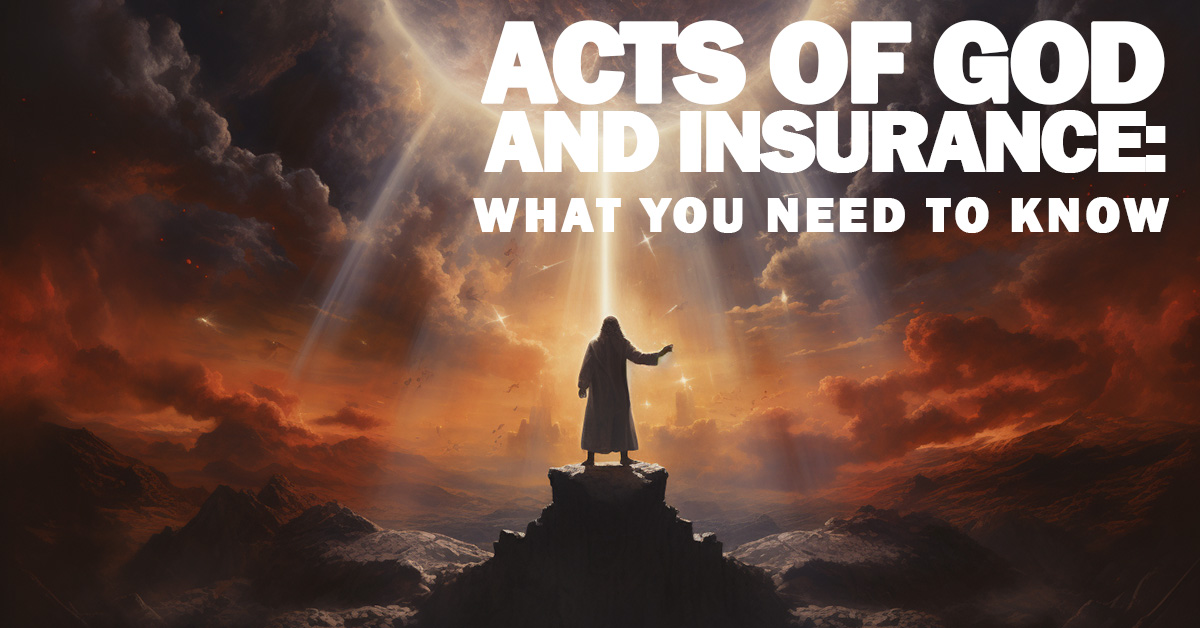
Acts of God and Insurance: What You Need to Know
We’ve all heard the expression “act of God” when describing something that seems random or out of our control. In the context of insurance, an act of God is a natural hazard that is outside of human control. Examples of acts of God include earthquakes, floods, hurricanes, tornadoes, and lightning strikes.
How does an act of God affect my homeowners insurance coverage?
Not all acts of God are covered by homeowners insurance. Basic homeowners insurance policies typically cover only the following acts of God:
- Windstorms
- Hail
- Fire
- Lightning
- Volcanic eruption
If you want coverage for other acts of God, such as earthquakes, floods, or sinkholes, you will need to purchase additional coverage in the form of a rider or endorsement.
How can I determine if an event is considered an act of God?
In general, an event is considered an act of God if it is caused by natural forces and could not have been prevented by human intervention. For example, a fire caused by a lightning strike would be considered an act of God, but a fire caused by arson would not.
What should I do if I experience a loss that may be covered by my homeowners insurance policy?
If you experience a loss that may be covered by your homeowners insurance policy, you should contact your insurance company immediately. Your insurance company will send an adjuster to assess the damage and determine whether it is covered under your policy.
How can I protect myself from financial losses caused by acts of God?
The best way to protect yourself from financial losses caused by acts of God is to purchase adequate homeowners insurance coverage. You should also review your policy regularly to make sure that you have the coverage you need.
Additional tips:
- Make sure to purchase additional coverage for acts of God that are not covered by your basic homeowners insurance policy.
- Keep your home and property well-maintained to help prevent damage from acts of God.
- Have a disaster preparedness plan in place in case you experience an act of God.
Conclusion
Acts of God are natural hazards that can cause significant damage to your home and property. By purchasing adequate homeowners insurance coverage and taking steps to protect your home and property, you can minimize the financial impact of an act of God.
Do you have questions about your insurance? Find an insurance agent near you with our Agent Finder
Search All Blogs
Read More Blogs

Fueling Your Body for Cooler Days: Exploring Autumn’s Best Harvest Superfoods
Boost your immune health and energy this fall with delicious seasonal harvest recipes and superfoods.
Beyond the Basics: Understanding the Critical Role of Business Interruption Coverage
Protect your company’s cash flow during unexpected operational shutdowns with business interruption coverage.

Locking In Your Advantage: Why Buying Life Insurance Early Locks in Lifetime Savings
See why locking in a life insurance policy during your 20s or 30s yields massive long-term savings.
Teen Drivers and Auto Insurance: Strategies for Managing Premiums Without Sacrificing Safety
Navigate adding a young driver to your auto policy while keeping premium costs under control.
The High Cost of Building: Why Your Home Replacement Value Needs an Update This Year
Ensure your home rebuilding limits keep pace with current construction inflation rates.
The October Weekend Checklist: Smart Home Maintenance Projects Before the Freeze
Get your home winter-ready with this practical, step-by-step October weekend maintenance checklist.

Defending the Digital Frontier: Why Every Small Business Needs Cyber Liability Insurance
Safeguard your company’s digital assets and customer data against modern cyber threats and ransomware.

Term vs. Permanent Life Insurance: Choosing the Right Strategy for Your Life Stage
Compare term and permanent life insurance options to find the ideal fit for your current life stage.
Decoding Deductibles: How to Balance Out-of-Pocket Risk and Monthly Premiums on Your Car Insurance
Master auto insurance deductibles to strike the ideal balance between monthly savings and claim protection.
Spotting the Gaps: Why Standard HO-3 Policies Aren’t Enough for Today’s Homeowners
Close coverage gaps in your homeowners policy with these essential property endorsement strategies.