Calamities Basic Homeowners’ Insurance May Not Cover
Calamities Basic Homeowners’ Insurance May Not Cover
Life can be full of surprises. Some, like a birthday party with friends or finding a $20 bill in an old pair of jeans can be pleasant. Others, like discovering your homeowners’ insurance policy doesn’t cover your claim, can be rather unpleasant. The fact is, there are certain events that can cause damage to your home that your homeowners’ insurance policy may or may not cover. If you don’t know ahead of time it could lead to an unpleasant, and more importantly, an unpleasantly expensive, surprise.
What are the calamities that may or may not be covered under basic homeowners’ insurance policies?
Flooding. Flooding is not automatically covered under a homeowners’ insurance policy. Flood insurance can be written through a government-sponsored insurance plan (FEMA) that can be administrated by certain insurance companies or one can secure private flood insurance as an alternative to FEMA. The point is unless it is secured separately, you do not have flood insurance. Even when it is secured, be sure to go over the coverage with your independent agent to understand what is and isn’t covered under your flood insurance.
Earthquakes. Unless coverage is secured under a separate policy, a standard homeowners’ insurance policy will not cover damage from an earthquake. The exception could be damage from a fire that results because of an earthquake.
Sinkholes. A sinkhole occurs as the result of the earth settling in underground. When it occurs below a structure, damage can be significant. A sink-hole, like an earthquake, is considered an earth movement hazard and is not covered under basic homeowners’ insurance policies. Your independent insurance agent can direct you to coverage to protect your home from sinkhole damage as an addendum or as a separate policy.
Tsunamis. Most homeowners’ insurance policies will not cover damage from a tsunami unless separate flood insurance is secured.
Wildfires. Typically, damage to a home from fire, including wildfires will be covered under most basic homeowners’ insurance policies. This, however, may vary according to geographic region. If wildfires are a concern, check with your insurance agent to verify your coverage.
Terrorism. Unless your policy specifically excludes terrorism, damage from such acts would generally be covered under most homeowners’ insurance policies. This would frequently include damage from an explosion, fire and/or smoke.
Meteorites. Talk about an unpleasant surprise. The good news is most homeowners’ insurance policies cover falling debris like meteorites, asteroids, satellites and even airplane parts. Your property and contents are likely covered in such an unfortunate event.
If you ever asked yourself “I wonder if I’m covered for…?” we can get you the answer. Contact us for a no-cost, no-obligation homeowners’ insurance review. We may not only be able to shed some light on your coverage but may also be able to help you improve your coverage at an affordable price. Connect with us and avoid at least one unpleasant surprise.
Do you have questions about your insurance? Find an insurance agent near you with our Agent Finder
Search All Blogs
Read More Blogs

Maximizing Your Auto Discounts: Bundling, Good Driver Credits, and Paperless Savings
Discover simple ways to unlock hidden auto insurance discounts and lower your monthly bills.
Reviewing Your Umbrella: Do You Need Personal Liability Protection Beyond Your Home Policy?
Protect your personal net worth and future earnings with a high-limit personal umbrella insurance policy.

Hitting the Trails: Why October Is the Ultimate Month for Hiking and Outdoor Exploration
Make the most of autumn weather with tips for safe, scenic weekend hiking and outdoor adventures.
Umbrella Policies for Businesses: Adding an Extra Layer of Defense Against Major Lawsuits
Shield your business assets from massive liability claims with a commercial umbrella policy.

Business Continuity Planning: Using Key Person Life Insurance to Protect Your Enterprise
Safeguard your company’s financial stability and continuity with strategic key person life insurance.
Understanding Uninsured Motorist Coverage: The Hidden Shield on Your Auto Policy
Protect yourself from reckless drivers with comprehensive uninsured motorist policy coverage.

Smart Home Tech and Insurance Discounts: How Automation Lowers Your Premiums
Lower your home insurance bills by integrating smart home monitoring and safety technology.

Fueling Your Body for Cooler Days: Exploring Autumn’s Best Harvest Superfoods
Boost your immune health and energy this fall with delicious seasonal harvest recipes and superfoods.
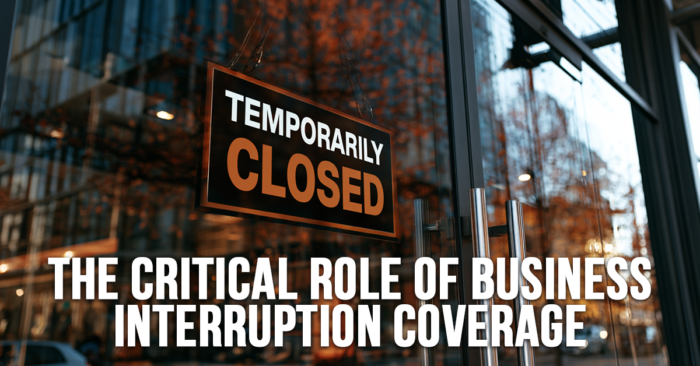
Beyond the Basics: Understanding the Critical Role of Business Interruption Coverage
Protect your company’s cash flow during unexpected operational shutdowns with business interruption coverage.

Locking In Your Advantage: Why Buying Life Insurance Early Locks in Lifetime Savings
See why locking in a life insurance policy during your 20s or 30s yields massive long-term savings.