So You Want to Be Your Own Boss? A Reality Check for Budding Entrepreneurs

So You Want to Be Your Own Boss? A Reality Check for Budding Entrepreneurs
The allure of being your own boss is undeniable: the freedom to pursue your passion, call the shots, and build something from the ground up. But before you dive headfirst into the world of entrepreneurship, take a deep breath and consider this: small business ownership comes with a healthy dose of reality. Here’s a breakdown of some essential factors to ponder before you embark on this exciting, yet challenging, journey.
Self-Awareness is Key: Owning Your Skills (and Shortcomings)
Many entrepreneurs launch businesses because they excel in a particular area, like baking delicious cookies or crafting beautiful jewelry. However, business success hinges not just on your core talent, but also on your ability to manage aspects you might not be familiar with. Can you handle payroll, taxes, and legal requirements? Do you have a plan for marketing and distribution? Be honest with yourself about your strengths and weaknesses. Identify the knowledge gaps and devise strategies to bridge them. This could involve taking online courses, hiring qualified professionals, or partnering with someone who complements your skillset.
Funding Your Dream: Don’t Underestimate the Cost of Independence
A lack of sufficient capital is a major reason why many small businesses fail. Even the most brilliant idea or well-executed plan can crumble under the weight of financial constraints. Carefully assess your startup costs: equipment, materials, rent, marketing, and even unexpected expenses. Research different funding options like loans, grants, or crowdfunding. Develop a realistic financial plan that outlines your projected income and expenses, and don’t be afraid to seek professional guidance from a financial advisor.
The Paycheck Paradox: When the Boss Gets Paid Last
Owning a small business means embracing delayed gratification. Unlike a traditional job with a steady paycheck, you’ll likely forgo a regular income stream in the initial stages. Be prepared to prioritize your business expenses first – rent, utilities, payroll, and taxes. The owner often comes last in line. This might translate to long hours and personal sacrifices, but remember, the sweat equity you put in now can pay off in dividends later.
Building Your Village: Beyond Friends and Family
While the support of loved ones is invaluable, don’t build your business solely on the assumption that friends and family will be your primary customer base. Not everyone will need or want your product or service, and relying solely on their goodwill might not be a sustainable strategy. Focus on developing a strong marketing plan to reach a broader audience, and prioritize building a loyal customer base that extends beyond your inner circle.
The Rollercoaster Ride: Expecting the Unexpected
The path of entrepreneurship is rarely smooth sailing. Be prepared to face a variety of challenges – fierce competition, potential theft or vandalism, and even the occasional natural disaster. A liability lawsuit can cripple a fledgling business. That’s why having a comprehensive small business insurance plan is crucial. It’s a wise investment that can protect your hard work and your future.
Owning a small business can be an incredibly rewarding experience, but it requires a healthy dose of realism, careful planning, and a willingness to adapt. By acknowledging the challenges and taking steps to mitigate them, you’ll be well on your way to turning your dream into a thriving reality.
Do you have questions about your insurance? Find an insurance agent near you with our Agent Finder
Search All Blogs
Read More Blogs

Hitting the Trails: Why October Is the Ultimate Month for Hiking and Outdoor Exploration
Make the most of autumn weather with tips for safe, scenic weekend hiking and outdoor adventures.

Umbrella Policies for Businesses: Adding an Extra Layer of Defense Against Major Lawsuits
Shield your business assets from massive liability claims with a commercial umbrella policy.

Business Continuity Planning: Using Key Person Life Insurance to Protect Your Enterprise
Safeguard your company’s financial stability and continuity with strategic key person life insurance.

Understanding Uninsured Motorist Coverage: The Hidden Shield on Your Auto Policy
Protect yourself from reckless drivers with comprehensive uninsured motorist policy coverage.

Smart Home Tech and Insurance Discounts: How Automation Lowers Your Premiums
Lower your home insurance bills by integrating smart home monitoring and safety technology.

Fueling Your Body for Cooler Days: Exploring Autumn’s Best Harvest Superfoods
Boost your immune health and energy this fall with delicious seasonal harvest recipes and superfoods.
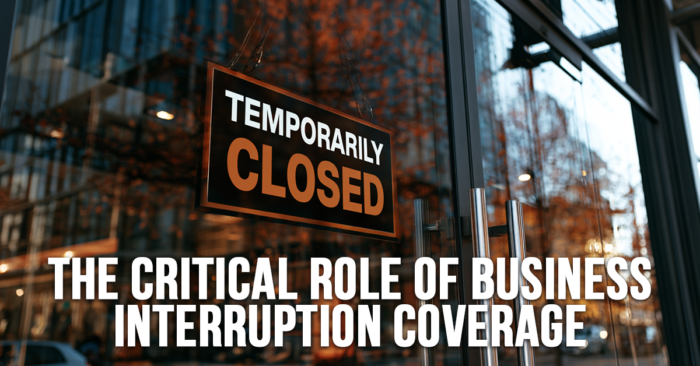
Beyond the Basics: Understanding the Critical Role of Business Interruption Coverage
Protect your company’s cash flow during unexpected operational shutdowns with business interruption coverage.

Locking In Your Advantage: Why Buying Life Insurance Early Locks in Lifetime Savings
See why locking in a life insurance policy during your 20s or 30s yields massive long-term savings.

Teen Drivers and Auto Insurance: Strategies for Managing Premiums Without Sacrificing Safety
Navigate adding a young driver to your auto policy while keeping premium costs under control.

The High Cost of Building: Why Your Home Replacement Value Needs an Update This Year
Ensure your home rebuilding limits keep pace with current construction inflation rates.