The Power of Tree Roots
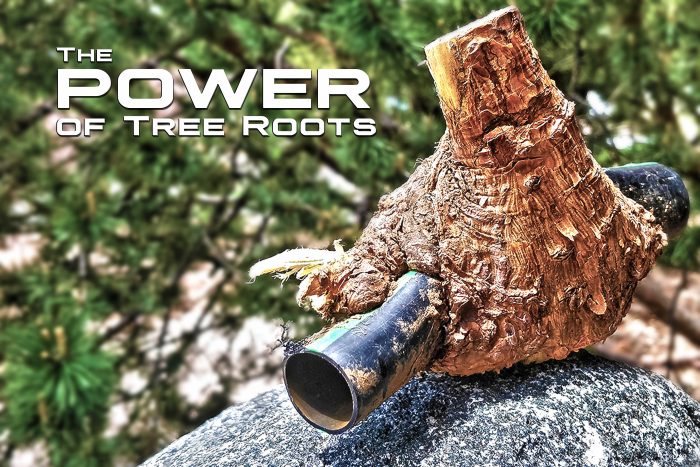
The Power of Tree Roots
The tallest tree in the world is a California Redwood, which stands 379 feet tall. That’s slightly taller than the length of a football field. To support these giant organisms, trees have an immaculate root system. Surprisingly, however, the roots of most trees remain in the top 18 inches of soil. However some root systems grow up to twenty feet into the soil. To grow into the massive organisms they are, trees must also consume plenty of water. According to Mother Nature Network, one mature oak can consume over 40,000 gallons of water annually.
Trees need water to:
- Cool the leaves
- Provide nutrients
- Exchange oxygen and carbon dioxide
In circumstances when water is scarce, roots will search for water nearby. Surprisingly, this is a threat to the water lines for your home.
How could the power of root systems affect your life? A property full of trees could create issues for your plumbing and other underground pipes on your property. Roots can sense water nearby by following moisture vapors which escape from cracks or holes in water lines. Tree roots are powerful enough to puncture the pipes to reach the water inside. Thin, string-like roots can continue to enter the existing holes, forming bundles of roots inside the pipe. Debris flowing from the home gets caught in the mound of roots in the pipes. As the pipes clog, you’ll notice slower water drainage. If the problem persists into a complete blockage, sewage water could back up into your home. It’s also possible that the pipe could collapse after too much pressure is built up.
The severity of the risk of root intrusion varies depending on the type of pipes.
- Steel: vulnerable to corrosion. Common on homes that are 25 years or older. These aged pipes have become porous over the years, at the end of their life cycle.
- Terracotta (Clay): Like steel pipes, clay pipes are common on homes that are 25+ years old. Over the years, the surface of the pipe has worn out and become permeable. Both steel and clay pipes are highly vulnerable to damage from tree roots.
- Concrete: vulnerable to root intrusion.
- PVC: Because PVC has fewer, tightly fitted joints, these pipes are less susceptible to root intrusion. Joints are where two pipes connect. Fewer joints means fewer points of entry for the roots to target.
What are some warning signs that there are tree roots growing in your pipes?
- If there are tree roots destroying your pipes, you may just smell rotten eggs around your house from the sewage.
- Sinks, toilets, and showers start to drain very slowly. Or, if you flush your toilet and hear a bubbling sound, something may not be right.
- A backed up toilet is a sign you may need to call a professional.
- If a sinkhole forms in your yard, do not go near it. Call a professional ASAP.
In the future, find out where the utility lines are before planting any trees to avoid the risk of severe water damage to your home.

Do you have questions about your insurance? Find an insurance agent near you with our Agent Finder
Search All Blogs
Read More Blogs

Maximizing Your Auto Discounts: Bundling, Good Driver Credits, and Paperless Savings
Discover simple ways to unlock hidden auto insurance discounts and lower your monthly bills.

Reviewing Your Umbrella: Do You Need Personal Liability Protection Beyond Your Home Policy?
Protect your personal net worth and future earnings with a high-limit personal umbrella insurance policy.

Hitting the Trails: Why October Is the Ultimate Month for Hiking and Outdoor Exploration
Make the most of autumn weather with tips for safe, scenic weekend hiking and outdoor adventures.

Umbrella Policies for Businesses: Adding an Extra Layer of Defense Against Major Lawsuits
Shield your business assets from massive liability claims with a commercial umbrella policy.

Business Continuity Planning: Using Key Person Life Insurance to Protect Your Enterprise
Safeguard your company’s financial stability and continuity with strategic key person life insurance.

Understanding Uninsured Motorist Coverage: The Hidden Shield on Your Auto Policy
Protect yourself from reckless drivers with comprehensive uninsured motorist policy coverage.

Smart Home Tech and Insurance Discounts: How Automation Lowers Your Premiums
Lower your home insurance bills by integrating smart home monitoring and safety technology.

Fueling Your Body for Cooler Days: Exploring Autumn’s Best Harvest Superfoods
Boost your immune health and energy this fall with delicious seasonal harvest recipes and superfoods.

Beyond the Basics: Understanding the Critical Role of Business Interruption Coverage
Protect your company’s cash flow during unexpected operational shutdowns with business interruption coverage.

Locking In Your Advantage: Why Buying Life Insurance Early Locks in Lifetime Savings
See why locking in a life insurance policy during your 20s or 30s yields massive long-term savings.