A Century of Retail: From Department Stores to Online Shopping
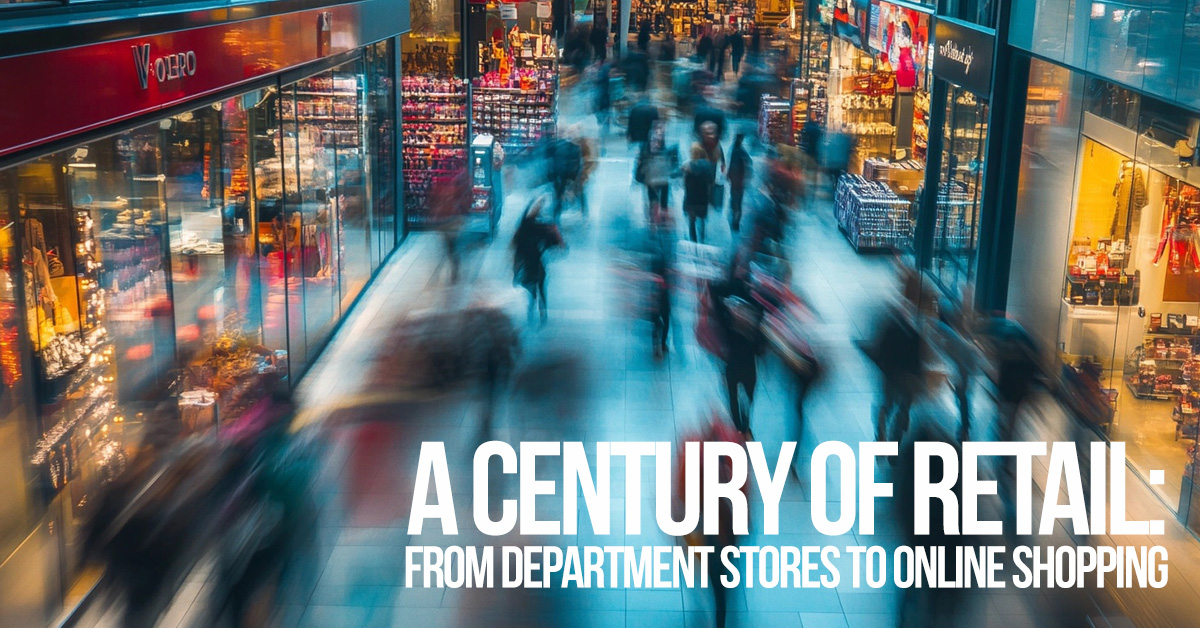
A Century of Retail: From Department Stores to Online Shopping
The way we shop has undergone a dramatic transformation over the past century. From the grandeur of department stores to the convenience of online shopping, retail has evolved to meet the changing needs and preferences of consumers. Let’s take a journey through the history of retail sales.
Department Stores: The Pioneers of Retail
Department stores emerged in the late 19th century as a response to the growing urban populations and the increasing demand for a wide variety of goods. These massive retail establishments offered a one-stop-shop for consumers, with separate departments for clothing, home goods, electronics, and more. Iconic department stores like Macy’s, Sears, and Wanamaker’s played a significant role in shaping the retail landscape.
The Rise of Catalog Shopping
Catalogs were another major innovation in the retail industry. Companies like Sears, Roebuck and Co. and Montgomery Ward produced massive catalogs that featured a vast array of products. Customers could browse the catalog at home, select their items, and mail in their orders. Catalog shopping was particularly popular in rural areas where access to brick-and-mortar stores was limited.
The Five-and-Dime Era
In the early 20th century, five-and-dime stores gained popularity. These stores offered a wide range of inexpensive goods, typically priced at five cents and ten cents. Chains like F.W. Woolworth and Kresge dominated the five-and-dime market, providing affordable shopping options for consumers.
Suburban Malls: The Shopping Centers of the Mid-20th Century
The suburban mall emerged as a dominant retail format in the mid-20th century. These enclosed shopping centers offered a variety of stores, restaurants, and entertainment options in a convenient, climate-controlled environment. Suburban malls became a cultural touchstone, attracting shoppers from nearby communities.
The Discount Store Revolution
Discount stores like Walmart disrupted the retail landscape in the latter half of the 20th century. These stores offered lower prices on a wide range of products, challenging traditional retailers. Walmart’s success paved the way for other discount retailers, such as Target and Kmart.
The E-commerce Boom
The internet revolutionized the retail industry, giving rise to the e-commerce boom. Online retailers like Amazon and eBay transformed the way consumers shop, offering convenience, selection, and competitive prices. The COVID-19 pandemic accelerated the shift to online shopping, as consumers sought to avoid physical stores and minimize contact.
The Future of Retail
As technology continues to advance, the retail landscape is likely to evolve further. Omnichannel retailing, which combines physical stores with online shopping, is becoming increasingly popular. Augmented reality and virtual reality are also being explored as tools to enhance the shopping experience.
The retail industry has come a long way since the days of department stores and catalogs. From the rise of suburban malls to the dominance of online shopping, retailers have constantly adapted to changing consumer preferences and technological advancements. The future of retail is likely to be marked by further innovation and disruption.
Do you have questions about your insurance? Find an insurance agent near you with our Agent Finder
Search All Blogs
Read More Blogs

Maximizing Your Auto Discounts: Bundling, Good Driver Credits, and Paperless Savings
Discover simple ways to unlock hidden auto insurance discounts and lower your monthly bills.

Reviewing Your Umbrella: Do You Need Personal Liability Protection Beyond Your Home Policy?
Protect your personal net worth and future earnings with a high-limit personal umbrella insurance policy.

Hitting the Trails: Why October Is the Ultimate Month for Hiking and Outdoor Exploration
Make the most of autumn weather with tips for safe, scenic weekend hiking and outdoor adventures.

Umbrella Policies for Businesses: Adding an Extra Layer of Defense Against Major Lawsuits
Shield your business assets from massive liability claims with a commercial umbrella policy.

Business Continuity Planning: Using Key Person Life Insurance to Protect Your Enterprise
Safeguard your company’s financial stability and continuity with strategic key person life insurance.

Understanding Uninsured Motorist Coverage: The Hidden Shield on Your Auto Policy
Protect yourself from reckless drivers with comprehensive uninsured motorist policy coverage.

Smart Home Tech and Insurance Discounts: How Automation Lowers Your Premiums
Lower your home insurance bills by integrating smart home monitoring and safety technology.

Fueling Your Body for Cooler Days: Exploring Autumn’s Best Harvest Superfoods
Boost your immune health and energy this fall with delicious seasonal harvest recipes and superfoods.
Beyond the Basics: Understanding the Critical Role of Business Interruption Coverage
Protect your company’s cash flow during unexpected operational shutdowns with business interruption coverage.

Locking In Your Advantage: Why Buying Life Insurance Early Locks in Lifetime Savings
See why locking in a life insurance policy during your 20s or 30s yields massive long-term savings.