Hurricanes, High Winds and Homeowners’ Insurance
Hurricanes, High Winds and Homeowners’ Insurance
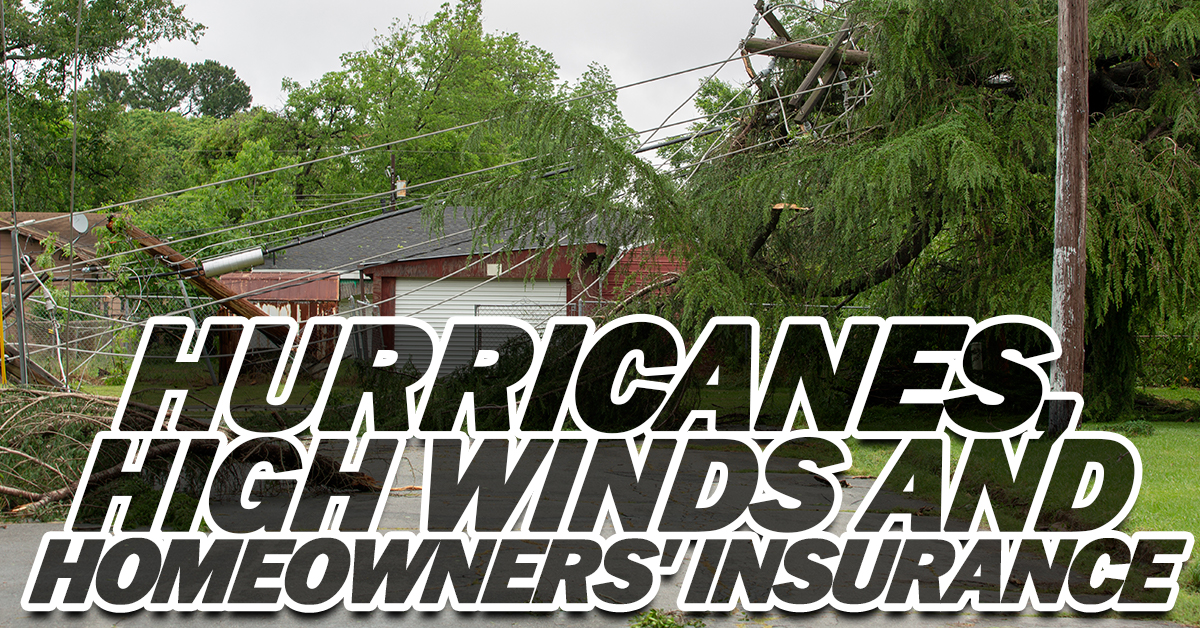
Winds come in a variety of forms. There are tornadoes, straight line winds, ‘Noreasters and hurricanes. The good news is that if high winds should damage your home, your homeowners’ insurance policy will likely cover the damage. This usually includes damage to roofs and siding as well as damage done from fallen trees. Winds are, in fact, one of the biggest factors that cause homeowners to file homeowners’ insurance claims. Depending on where you call home, you may experience a variety of winds during any given year.
The Midwest is known for the strength of its tornadoes, rated on the Fujita scale. An F0 tornado, known as a Gale tornado, ranges from 40-72 miles per hour. An F3 or Severe Tornado has winds ranging from 158-206. An F5 or Incredible Tornado has winds that range from 262-318 mph. Florida, known for its number of tornadoes generally has less severe twisters.
When it comes to hurricanes, winds must reach 74 miles per hour to become a level one. Level 2 hurricanes start at 96 miles per hour. Strong hurricanes begin at 111 miles per hour with Category 4 storms rated at 130 mph. Hurricanes reaching 157 mph or more are considered powerful Category 5 storms.
High winds, however, do not need to be accompanied by a tornado or hurricane to do damage. Winds as low as 40-60 mph can have damaging winds, much of it caused by blowing debris and falling limbs. High winds in especially wet conditions can be particularly damaging do to uprooted root systems. Tree damage can also be severe in areas that haven’t experienced high winds over several years. It is a form of Mother Nature’s trimming services.
If you are unsure of your homeowners’ insurance coverage or what wind-related coverage you may have, contact one of our independent insurance agents. They’ll review your current policy and seek out quotes that could potentially save you money. Get the peace of mind you deserve in high winds by contacting us today. We look forward to assisting you.
Do you have questions about your insurance? Find an insurance agent near you with our Agent Finder
Search All Blogs
Read More Blogs

Hitting the Trails: Why October Is the Ultimate Month for Hiking and Outdoor Exploration
Make the most of autumn weather with tips for safe, scenic weekend hiking and outdoor adventures.

Umbrella Policies for Businesses: Adding an Extra Layer of Defense Against Major Lawsuits
Shield your business assets from massive liability claims with a commercial umbrella policy.

Business Continuity Planning: Using Key Person Life Insurance to Protect Your Enterprise
Safeguard your company’s financial stability and continuity with strategic key person life insurance.
Understanding Uninsured Motorist Coverage: The Hidden Shield on Your Auto Policy
Protect yourself from reckless drivers with comprehensive uninsured motorist policy coverage.

Smart Home Tech and Insurance Discounts: How Automation Lowers Your Premiums
Lower your home insurance bills by integrating smart home monitoring and safety technology.

Fueling Your Body for Cooler Days: Exploring Autumn’s Best Harvest Superfoods
Boost your immune health and energy this fall with delicious seasonal harvest recipes and superfoods.
Beyond the Basics: Understanding the Critical Role of Business Interruption Coverage
Protect your company’s cash flow during unexpected operational shutdowns with business interruption coverage.

Locking In Your Advantage: Why Buying Life Insurance Early Locks in Lifetime Savings
See why locking in a life insurance policy during your 20s or 30s yields massive long-term savings.

Teen Drivers and Auto Insurance: Strategies for Managing Premiums Without Sacrificing Safety
Navigate adding a young driver to your auto policy while keeping premium costs under control.
The High Cost of Building: Why Your Home Replacement Value Needs an Update This Year
Ensure your home rebuilding limits keep pace with current construction inflation rates.