How Low Can You Get Your Electric Bill?
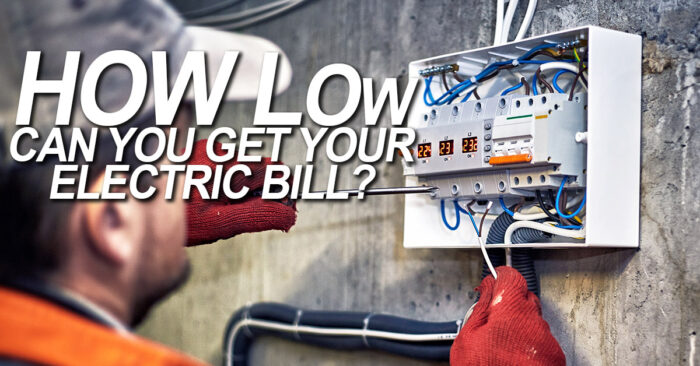
How Low Can You Get Your Electric Bill?
Unless you totally disconnect and get off the grid, odds are you will never achieve a zero electric bill. After all, there are minimum charges, taxes and fees you will get billed for even if your electric meter doesn’t make a turn. But how low can you get your electric bill and where should you spend your efforts? Here are some thoughts.
Your HVAC
Your “big users” are the appliances that use the majority of the electricity in your home (over 10%) and are worth paying particular attention to. The biggest, of course, would be if you heat or cool with electric heating and air conditioning. There are several ways to reduce HVAC electric costs, including making sure your system is relatively modern and efficient. You can also adjust your thermostat accordingly and either close or open windows and blinds to adjust to seasonal changes.
Water Heater
Your water heater may be using up to 15% of your total electricity. If you have a full size water heater but a small family, consider downsizing your tank or using an on-demand system. There are also solar water heater systems that will heat your water without electricity.
Washer and Dryer
Only operate washers and dryers with full loads to maximize power use. Try drying lighter weight items on a clothes line or rack. Don’t dry clothes on a higher setting than necessary. It is estimated washers and dryers account for about 13% of the average electric bill.
Lighting
Many of us lose focus on how much lighting contributes to our electric use. In fact, at 12%, lighting is just behind washers and dryers in contributing to our electric bill. Replace bulbs with more energy efficient or LED bulbs and turn off the lights in rooms that are not in use.
Refrigerators and Ovens
Using about 4% each, refrigerators and electric stoves can contribute up to 8% of energy use between them. While there’s not much you can do to reduce use of these items, you may want to pay attention if you have an extra refrigerator in the garage or basement. An old refrigerator may end up costing you more than it is worth. If you need extra refrigerator space, consider an energy-efficient apartment size unit as opposed to repurposing an old refrigerators.
Of course, the rest of your electric bill will be a combination of power used for computers, cable boxes, TVs, radios and small appliances. The best you can do is keep charging cords unplugged when not in use and computers off when idle.
What could you do with an extra $20-$50 per month? Consider going on an electric diet and see how low you can go.
Do you have questions about your insurance? Find an insurance agent near you with our Agent Finder
Search All Blogs
Read More Blogs

Maximizing Your Auto Discounts: Bundling, Good Driver Credits, and Paperless Savings
Discover simple ways to unlock hidden auto insurance discounts and lower your monthly bills.

Reviewing Your Umbrella: Do You Need Personal Liability Protection Beyond Your Home Policy?
Protect your personal net worth and future earnings with a high-limit personal umbrella insurance policy.

Hitting the Trails: Why October Is the Ultimate Month for Hiking and Outdoor Exploration
Make the most of autumn weather with tips for safe, scenic weekend hiking and outdoor adventures.

Umbrella Policies for Businesses: Adding an Extra Layer of Defense Against Major Lawsuits
Shield your business assets from massive liability claims with a commercial umbrella policy.

Business Continuity Planning: Using Key Person Life Insurance to Protect Your Enterprise
Safeguard your company’s financial stability and continuity with strategic key person life insurance.

Understanding Uninsured Motorist Coverage: The Hidden Shield on Your Auto Policy
Protect yourself from reckless drivers with comprehensive uninsured motorist policy coverage.

Smart Home Tech and Insurance Discounts: How Automation Lowers Your Premiums
Lower your home insurance bills by integrating smart home monitoring and safety technology.

Fueling Your Body for Cooler Days: Exploring Autumn’s Best Harvest Superfoods
Boost your immune health and energy this fall with delicious seasonal harvest recipes and superfoods.
Beyond the Basics: Understanding the Critical Role of Business Interruption Coverage
Protect your company’s cash flow during unexpected operational shutdowns with business interruption coverage.

Locking In Your Advantage: Why Buying Life Insurance Early Locks in Lifetime Savings
See why locking in a life insurance policy during your 20s or 30s yields massive long-term savings.