The Driver’s Blueprint: Demystifying Auto Insurance Coverage
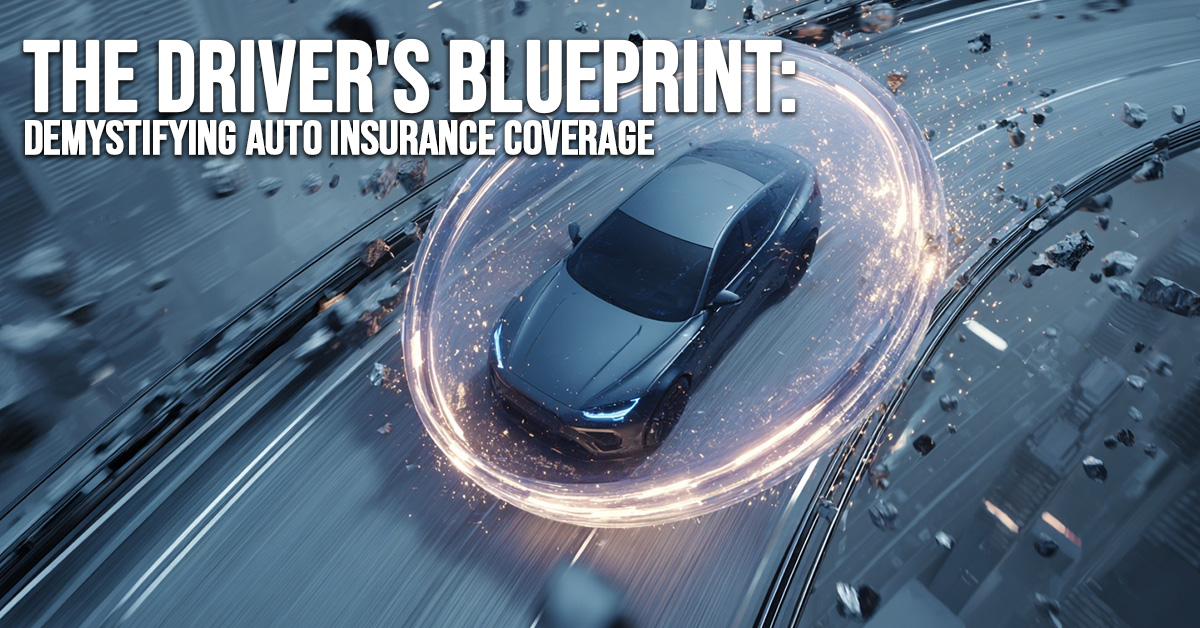
The Driver’s Blueprint: Demystifying Auto Insurance Coverage
For most drivers, auto insurance is a necessary, and often grudgingly paid, expense. We know we need it to be legal, but many of us don’t truly understand what we’re buying. Beyond the monthly premium, there’s a complex ecosystem of coverage types, deductibles, and endorsements that can be the difference between a minor inconvenience and a financial catastrophe after an accident. Understanding this ecosystem is the first step to becoming a more informed and protected driver.
The foundation of any auto policy is liability coverage. This is what you’re legally required to have in most states. It’s split into two parts: bodily injury liability and property damage liability. Bodily injury covers the costs of injuries to other people in an accident you cause, including medical bills and lost wages. Property damage covers the cost of repairing or replacing another person’s property, like their car or a fence. The limits on these coverages are often written as a series of numbers, for example, 25/50/25, which means $25,000 per person for bodily injury, $50,000 per accident for bodily injury, and $25,000 for property damage. While these may be the state minimums, they are often insufficient in a major accident, leaving you personally responsible for the excess.
Beyond liability, there’s a host of optional but highly recommended coverages. Collision coverage pays for damage to your own vehicle after an accident, regardless of who is at fault. This is especially important for new or valuable cars. Comprehensive coverage, on the other hand, covers damage to your car from non-collision events, such as theft, vandalism, fire, or a falling tree limb. These two coverages come with a deductible, the amount you pay out-of-pocket before your insurance kicks in. A higher deductible will lower your premium, but you need to be sure you can afford that amount if a claim arises.
Two other critical coverages are Uninsured/Underinsured Motorist (UM/UIM) and Personal Injury Protection (PIP) or Medical Payments (MedPay). UM/UIM protects you if you are hit by a driver who has no insurance or not enough insurance to cover your injuries or damages. This is a crucial safety net, as a surprising number of drivers operate without adequate coverage. PIP or MedPay pays for your own medical expenses and, in some states, lost wages, regardless of who is at fault. This can be a lifesaver, as it provides immediate financial relief for medical bills, without waiting for the liability determination of an accident.
Saving money on auto insurance is a constant goal for many. One of the most effective strategies is to shop around and compare quotes from multiple insurers. Premiums are influenced by a wide range of factors, including your driving record, age, vehicle type, and even your credit score in some states. Other ways to lower your premium include maintaining a good driving record, taking a defensive driving course, bundling your auto and home policies with the same insurer, and taking advantage of discounts for good students, low mileage, or safety features on your car. Ultimately, auto insurance is a shield against the financial fallout of the unexpected. By understanding what you’re buying, you can build a policy that provides robust protection without breaking the bank.
Do you have questions about your insurance? Find an insurance agent near you with our Agent Finder
Search All Blogs
Read More Blogs

Property Hardening and Final Autumn Prep
Ensure complete residential resilience ahead of the equinox by finalizing gutter clearing, testing heating systems, and verifying replacement cost policy limits.

Cultivating Mid-September Wellness and Routine Resilience
Discover how to establish balanced autumn routines, maintain nutritional vitality with protein-forward habits, and enjoy the refreshing energy of mid-September.

Commercial Risk Management
Business leaders can secure fourth-quarter operations by conducting mid-September audits of commercial property, liability, and business interruption policies.

Family Financial Planning
Utilize the steady pace of mid-September to assess your life insurance coverage, evaluate income replacement needs, and secure your family’s financial future.
Road Safety and Vehicle Maintenance
Navigate mid-September roadway dynamics with confidence by optimizing your auto insurance policy, checking vehicle safety systems, and preparing for changing driving conditions.

Property Security and Weatherproofing
Ensure complete residential resilience by clearing perimeter debris, inspecting weather seals, and verifying appropriate insurance coverage limits as September progresses.

Cultivating Autumn Wellness and Daily Routines
Discover how to establish balanced autumn routines, maintain nutritional vitality with protein-forward habits, and enjoy the refreshing energy of mid-September.

Mid-Quarter Risk Management and Operational Resilience
Business leaders can ensure fourth-quarter stability by conducting mid-September audits of commercial property, liability, and business interruption policies.

Mid-Year Financial Reviews and Family Security
Utilize the steady pace of mid-September to evaluate your life insurance coverage, assess income replacement needs, and safeguard your household’s financial future.

Managing Mid-September Traffic Density and Vehicle Readiness
Navigate increased September traffic and shifting roadway conditions by optimizing your auto insurance policy and ensuring peak mechanical vehicle readiness.