AWD vs. 4WD
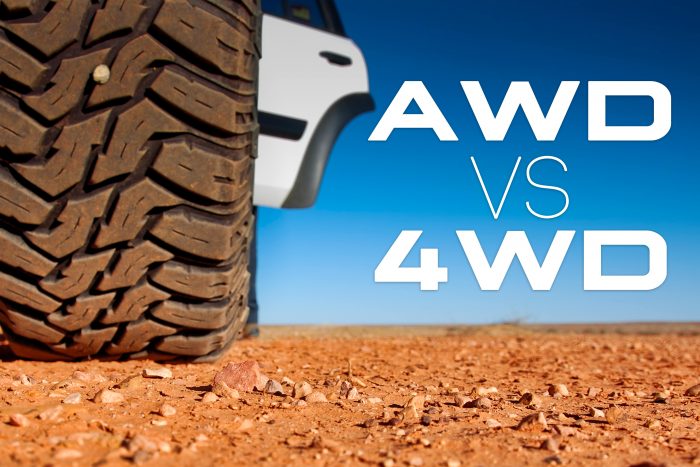
It’s happened to most of us. The weather is snowy, and the roads are icy, but we still have places to be. While driving, our wheels lose traction, suddenly spinning out of control, and we have a mini heart attack. It’s terrifying to lose control of your car, even if only for a brief second. To prevent this, many people choose to purchase a car with all-wheel-drive (AWD) or four-wheel-drive (4WD). A safer vehicle provides security and a peace of mind for you and all other passengers in your car.
When it comes time for you to buy a new car, be informed about your options to make the best decision to fit your needs.
What is the difference between AWD and 4WD?
AWD:
- Most of the time, AWD stays on all the time.
- The driver does not have to think about how to control the system, and whether or not to turn on the feature.
- The system is managed by a computer, which controls both the front and rear axles.
- Since AWD is continuous, all four wheels are constantly adjusting to the conditions of the road. For example, on the highway, most of the power will be sent to the rear wheels, to maximize fuel efficiency.
- In rain or snow, the system adapts, evenly distributing power to all four wheels. This significantly reduces the chance of wheels spinning out of control, and increases drive grip.
- Provides maximum traction because either all the wheels are being controlled at the same time, or the system senses a loss of traction and sends power where it is needed.
- Suitable to adapt to the changing conditions of the road in harsh weather.
- Provides maximum control, safety, and traction.
4WD:
- Typically, 4WD must be turned on by the operator of the vehicle. There is usually a switch to flip or a lever to pull to activate 4WD. In this case, the driver must know when to turn it on and when it is not necessary. Under normal road conditions, it isn’t necessary to turn on 4WD.
- When the feature is off, the vehicle is in 2WD. Usually, the rear wheels are in control, with front wheels spinning freely.
- Designed for ruggedness/rocky roads, and icy weather with deep snow.
- When activated, all four wheels receive power when
- Maximum pulling power.
- Because the feature is only activated when needed, fuel consumption is reduced.
Driving a 4WD or AWD vehicle gives you a great advantage during harsh road conditions. However, it’s important to keep in mind that it is always possible for your vehicle to lose traction and spin out of control. Having 4WD or AWD helps you get going faster, but when you brake, you can slide easily. For this reason, it’s extremely important that you ALWAYS exercise extreme caution while driving in the snow. Drive slowly, and keep a large distance between you and the car ahead of you.
Whether you should get 4WD or AWD depends on where you live. If you will only need to use the feature once or twice a year, it’s probably best you get a 4WD. 4WD is also better for off-roading. AWD does all the thinking for you, so you don’t have to worry about turning on/off the feature. Take into consideration where you live, the average weather conditions, and what you will be using your vehicle for before making a decision.

Do you have questions about your insurance? Find an insurance agent near you with our Agent Finder
Search All Blogs
Read More Blogs

Hitting the Trails: Why October Is the Ultimate Month for Hiking and Outdoor Exploration
Make the most of autumn weather with tips for safe, scenic weekend hiking and outdoor adventures.

Umbrella Policies for Businesses: Adding an Extra Layer of Defense Against Major Lawsuits
Shield your business assets from massive liability claims with a commercial umbrella policy.

Business Continuity Planning: Using Key Person Life Insurance to Protect Your Enterprise
Safeguard your company’s financial stability and continuity with strategic key person life insurance.
Understanding Uninsured Motorist Coverage: The Hidden Shield on Your Auto Policy
Protect yourself from reckless drivers with comprehensive uninsured motorist policy coverage.

Smart Home Tech and Insurance Discounts: How Automation Lowers Your Premiums
Lower your home insurance bills by integrating smart home monitoring and safety technology.

Fueling Your Body for Cooler Days: Exploring Autumn’s Best Harvest Superfoods
Boost your immune health and energy this fall with delicious seasonal harvest recipes and superfoods.
Beyond the Basics: Understanding the Critical Role of Business Interruption Coverage
Protect your company’s cash flow during unexpected operational shutdowns with business interruption coverage.

Locking In Your Advantage: Why Buying Life Insurance Early Locks in Lifetime Savings
See why locking in a life insurance policy during your 20s or 30s yields massive long-term savings.
Teen Drivers and Auto Insurance: Strategies for Managing Premiums Without Sacrificing Safety
Navigate adding a young driver to your auto policy while keeping premium costs under control.

The High Cost of Building: Why Your Home Replacement Value Needs an Update This Year
Ensure your home rebuilding limits keep pace with current construction inflation rates.