Shadow or Spring? The Quirky Science and Folklore of Groundhog Day 2026
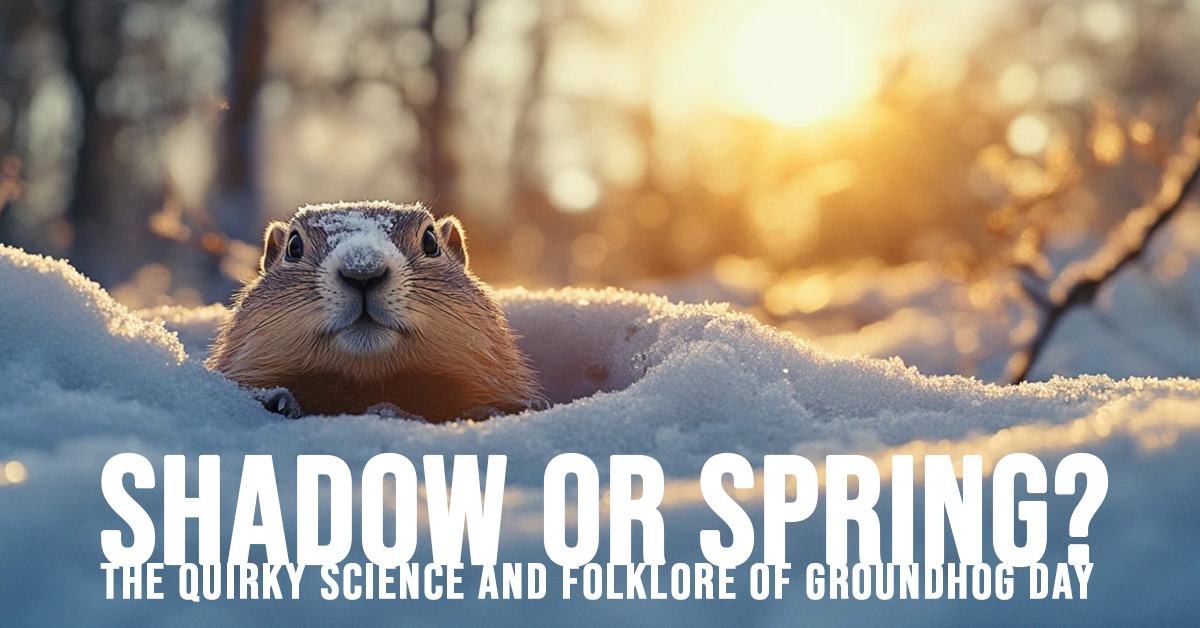
Shadow or Spring? The Quirky Science and Folklore of Groundhog Day 2026
On Monday, February 2, 2026, the eyes of the nation (and several confused meteorologists) will turn to a small hill in Pennsylvania. Groundhog Day is perhaps America’s strangest holiday—a day where a rodent’s reaction to sunlight supposedly dictates the national energy budget for the next six weeks.
But where did this tradition come from, and is there any actual science behind Phil’s predictions?
- From Badgers to Groundhogs
The tradition actually has roots in the Christian holiday of Candlemas. An old English song said: “If Candlemas be fair and bright, Come, Winter, have another flight; If Candlemas brings clouds and rain, Go Winter, and come not again.”
German settlers in Pennsylvania brought their own version, which involved a badger. Finding no badgers in the American Northeast, they “recruited” the plentiful groundhog (or woodchuck). In 1887, the first official Groundhog Day was held at Gobbler’s Knob.
- The Accuracy (Or Lack Thereof)
According to the NOAA, Punxsutawney Phil has been right about 40% of the time over the last ten years. In other words, you’d be better off flipping a coin. However, the holiday isn’t really about the weather—it’s about the mid-winter “pause.” In the deep chill of early February, the idea that spring might be just six weeks away provides a vital psychological boost.
Whether Phil sees his shadow or not this Monday, Groundhog Day remains a charming reminder that even in our high-tech 2026 world, we still enjoy a little bit of folklore to help us through the winter.
Do you have questions about your insurance? Find an insurance agent near you with our Agent Finder
Search All Blogs
Read More Blogs

Smart Home Tech and Insurance Discounts: How Automation Lowers Your Premiums
Lower your home insurance bills by integrating smart home monitoring and safety technology.
Fueling Your Body for Cooler Days: Exploring Autumn’s Best Harvest Superfoods
Boost your immune health and energy this fall with delicious seasonal harvest recipes and superfoods.
Beyond the Basics: Understanding the Critical Role of Business Interruption Coverage
Protect your company’s cash flow during unexpected operational shutdowns with business interruption coverage.

Locking In Your Advantage: Why Buying Life Insurance Early Locks in Lifetime Savings
See why locking in a life insurance policy during your 20s or 30s yields massive long-term savings.

Teen Drivers and Auto Insurance: Strategies for Managing Premiums Without Sacrificing Safety
Navigate adding a young driver to your auto policy while keeping premium costs under control.

The High Cost of Building: Why Your Home Replacement Value Needs an Update This Year
Ensure your home rebuilding limits keep pace with current construction inflation rates.
The October Weekend Checklist: Smart Home Maintenance Projects Before the Freeze
Get your home winter-ready with this practical, step-by-step October weekend maintenance checklist.

Defending the Digital Frontier: Why Every Small Business Needs Cyber Liability Insurance
Safeguard your company’s digital assets and customer data against modern cyber threats and ransomware.

Term vs. Permanent Life Insurance: Choosing the Right Strategy for Your Life Stage
Compare term and permanent life insurance options to find the ideal fit for your current life stage.

Decoding Deductibles: How to Balance Out-of-Pocket Risk and Monthly Premiums on Your Car Insurance
Master auto insurance deductibles to strike the ideal balance between monthly savings and claim protection.