WHEN THE LIGHTS GO OUT THIS WINTER
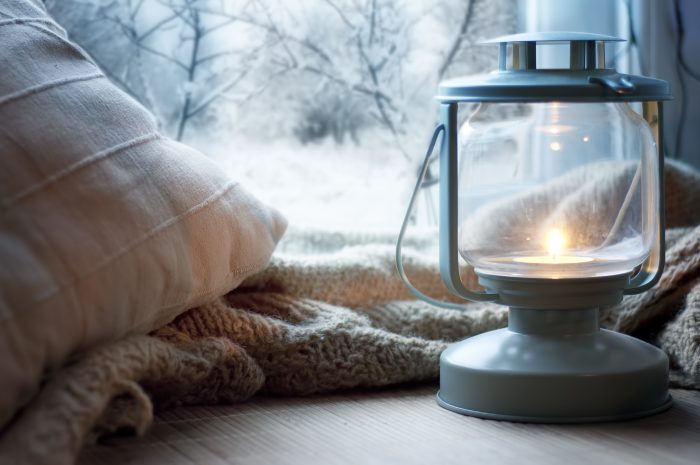
Do you know just what to do in the event of a power failure this winter? Discover why winter weather condition causes these failures, how you can develop a power interruption readiness plan, and which alternative power sources to consider to stay secure and warm throughout any kind of extreme winter storm. Proper prep work and supplies are key to staying safe and secure until the power returns.
Exactly how do winter weather condition generate power outages?
Severe temperature levels put anxiety on electrical systems in summer and winter. This stress and anxiety are intensified when demands on the electric grid increase, which could happen in the chilliest months of winter when the heat is on continuously, extra space heaters are used, and people who depend on alternate energy resources such as solar are limited by less accessibility to sunshine. Winter storms additionally bring hefty snow as well as fierce winds that have the ability to uproot trees or cause broken tree branches which often can cause power outages. With the freezing temperature levels and perspective for a tree arm or leg or particles to fall into power lines, it’s not surprising that power blackouts are common in regions that experience serious winters months.
Stay Informed:
Check online to find available resources for your city or state to locate nearby shelters and stay updated on the storm details. Refer to these sources regularly for updated storm information and local advisories from your local authorities.
Talk to your family members to describe just how winter weather condition could impact the electrical system. Discuss with your family members what to do in the event of a power outage and what supplies you will need until power is restored. Power outages can happen once a day or every couple of hours depending on the weather conditions. The key is to stay calm in an emergency and stick to the plan you create with your family.
What materials do I require?
Developing an emergency readiness set is necessary to comfort and survival during continual or moving power interruptions. Speak with your family members on what supplies are needed and the purpose of each item in your emergency kit.
An emergency kit must consist of:
- Multiple flashlights for flame-free resources of light.
- A radio to listen to neighborhood and weather stations for updates on the storm.
- Extra batteries for the flashlights and radio.
- A First Aid kit to treat small injuries.
- Blankets and warm clothes in case of loss of heat.
Alternative Heating Options and Alternative Power Options:
Mobile generators and crank radios provide short-term resources of power while you await basic power to be brought back. You could utilize crank radios for charging mobile phones, but it is not used for running large household appliances, as they require too much power as well as fuel. For bigger tasks, you’ll require a gas-powered mobile generator and even a whole house backup generator. To ensure safe generator use, you should permit proper airing vent as well as adhere to security preventative measures, to avoid carbon monoxide poisoning.
There are also several, non-electric home heating options, as well. Wood burning stoves, kerosene heaters, as well as gas-powered space heaters will maintain heat and keep you warm. However, they also require correct ventilation and monitoring to stop fires and carbon monoxide poisoning. Refer to manufacturer directions for setting up as well as running any type of alternative heating or power items.
Educate your family to follow these standard power interruption security policies to remain as secure throughout the power outage.
What to do in a Power Outage:
- Keep fridge and freezer doors closed to maintain temperature.
- Wear multiple layers of clothing to stay warm.
- Shut off and unplug electronic devices to avoid damage from power surges.
- Follow manufacturer safety directions when making use of generators and alternative heating systems.
- Make certain you have adequate ventilation to prevent carbon monoxide gas poisoning when using backup power and heating equipment.
- Keep a spare gas can at the house in the event you are unable to leave the home.
What NOT to do in a Power Outage:
- Purchase a generator without considering the kind of generator that is needed or what power options the generator can utilize.
- Run generators inside your home or in a closed garage.
- Consume food that hasn’t been properly preserved at the needed temperature level.
- Don’t burn charcoal or propane indoors.
- Utilize your stove as a resource of warmth.
- Leave an alternative heat source unattended.
Power blackouts could last mins, hours, or days. Stay calm in an emergency and, ultimately, once the weather allows, power will certainly be restored. Build a survival plan together to guarantee everybody recognizes just what to do and exactly how to use the products in a power blackout emergency. Maintaining your family members is your top priority during a power outage in winter. By creating a power outage emergency plan ahead of time, stockpiling on the needed products, and following safety recommendations will make sure that you are prepared for a power blackout this winter.
Originally Posted by INSURANCE CENTERS OF AMERICA INC.
Do you have questions about your insurance? Find an insurance agent near you with our Agent Finder
Search All Blogs
Read More Blogs

Fueling Your Body for Cooler Days: Exploring Autumn’s Best Harvest Superfoods
Boost your immune health and energy this fall with delicious seasonal harvest recipes and superfoods.
Beyond the Basics: Understanding the Critical Role of Business Interruption Coverage
Protect your company’s cash flow during unexpected operational shutdowns with business interruption coverage.

Locking In Your Advantage: Why Buying Life Insurance Early Locks in Lifetime Savings
See why locking in a life insurance policy during your 20s or 30s yields massive long-term savings.
Teen Drivers and Auto Insurance: Strategies for Managing Premiums Without Sacrificing Safety
Navigate adding a young driver to your auto policy while keeping premium costs under control.

The High Cost of Building: Why Your Home Replacement Value Needs an Update This Year
Ensure your home rebuilding limits keep pace with current construction inflation rates.
The October Weekend Checklist: Smart Home Maintenance Projects Before the Freeze
Get your home winter-ready with this practical, step-by-step October weekend maintenance checklist.

Defending the Digital Frontier: Why Every Small Business Needs Cyber Liability Insurance
Safeguard your company’s digital assets and customer data against modern cyber threats and ransomware.

Term vs. Permanent Life Insurance: Choosing the Right Strategy for Your Life Stage
Compare term and permanent life insurance options to find the ideal fit for your current life stage.
Decoding Deductibles: How to Balance Out-of-Pocket Risk and Monthly Premiums on Your Car Insurance
Master auto insurance deductibles to strike the ideal balance between monthly savings and claim protection.

Spotting the Gaps: Why Standard HO-3 Policies Aren’t Enough for Today’s Homeowners
Close coverage gaps in your homeowners policy with these essential property endorsement strategies.