The Silent Season: Securing Inventory and Operations During Christmas and Year-End Closures

The Silent Season: Securing Inventory and Operations During Christmas and Year-End Closures
For many businesses, the period between Christmas Day and New Year’s is a welcome, necessary lull. Staff take time off, operations slow, and the premises often sit vacant or minimally staffed for several days. While restful for the owners, this period—the Silent Season—is a peak time for risk. Vacant premises are vulnerable to undetected damage from cold weather and opportunistic crime.
Business owners must ensure their Commercial Property Insurance and Business Interruption policies are prepared for losses that may only be discovered when staff return in the new year.
- Undiscovered Winter Damage
The largest threat during Christmas closures is often water damage. If a pipe bursts or a sprinkler system freezes on Christmas Eve, the damage may go unnoticed until the staff returns a week later. A minor leak over seven days can cause massive destruction to inventory, equipment, and the building structure.
- Mitigation Requirement: Just like with homeowners insurance, Commercial Property policies expect business owners to maintain basic climate control. If you turn the heat off entirely to save money, your insurer may challenge a frozen pipe claim, arguing negligence.
- Inventory Protection: If your inventory is seasonal and perishable, a sudden failure of refrigeration or temperature control during a shutdown could lead to a massive loss. Ensure your policy’s Perishable Goods endorsement is adequate, and check that your staff knows how to monitor temperature remotely or manually during the break.
- Burglary and Theft of High-Value Inventory
Inventory is often at its peak after Christmas, as unsold holiday items and new January stock sit waiting. A vacant building with visible, high-value goods is an attractive target. While Commercial Property covers the loss, the discovery period matters.
- Security Systems: Ensure all security systems, alarms, and surveillance are fully operational. Notify your alarm company of the extended closure period.
- Proof of Loss: If a break-in occurs, the insurer will demand a detailed inventory list and police report. Having a clean, up-to-date accounting of post-holiday inventory is critical for a smooth claim process.
- Business Interruption Following the Break
If a serious incident (fire, major theft, or flood) happens during the shutdown, the impact is felt after the holidays. If the damage prevents you from reopening on January 2nd, your Business Interruption (BI) Insurance is vital.
BI coverage protects you from the lost income and ongoing expenses that continue while your business is being repaired. However, BI coverage often requires the incident to be directly caused by a covered peril. Ensure you have the necessary endorsements, such as Equipment Breakdown and Water Backup, to trigger the BI protection should the loss be caused by a faulty heating system or a sewer backup.
Before locking the door for the Christmas holiday, run a simple checklist: Set the thermostat to a safe minimum, verify security systems, and ensure a manager or owner plans a drop-in check on the premises midway through the closure. Proactive maintenance is the best commercial insurance policy you can buy.
Do you have questions about your insurance? Find an insurance agent near you with our Agent Finder
Search All Blogs
Read More Blogs
Clean House, Clear Mind: Addressing Hidden Liability Risks During Spring Cleaning
Is your spring cleaning creating a safety hazard? Learn how to protect your home and your guests as you declutter this April.

From French Fish to Spaghetti Trees: The Bizarre History of April Fools’ Day
Why do we play pranks on April 1st? Explore the centuries-old history and the most famous “fools” in world history.
Serious Fun: Managing Liability on International Fun at Work Day
Celebrating International Fun at Work Day this Wednesday? Learn how to boost morale without creating an insurance or HR headache.

Spring Clean Your Beneficiaries: A New Quarter Checklist for Life Insurance
As we enter the second quarter of 2026, it’s time for a 5-minute life insurance audit. Ensure your coverage matches your family’s newest milestones.

Put the Phone Away or Pay: The High Cost of Distraction in April 2026
April starts a national crackdown on distracted driving. Discover how one text message can double your insurance rates for the next three years.
No Joke: Protecting Your Home and Liability During April Fools’ Week
Planning a prank this Wednesday? Make sure your sense of humor doesn’t trigger a homeowners insurance claim for property damage or personal injury.
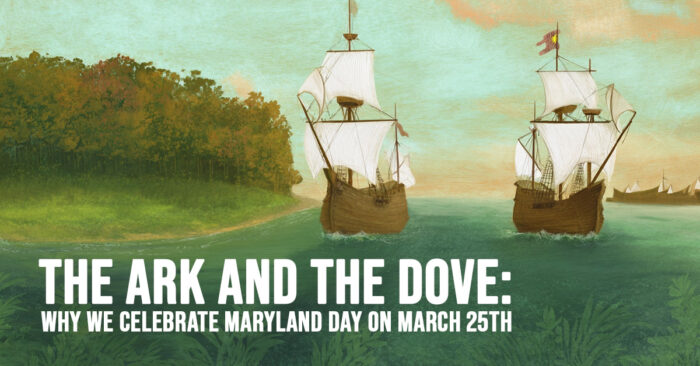
The Ark and the Dove: Why We Celebrate Maryland Day on March 25th
Why March 25th? Discover the history of the Ark and the Dove and the “Free State” origins of Maryland Day.
Celebrating Maryland Day: A Guide to Regional Compliance and Mid-Atlantic Risks
Happy Maryland Day! A look at the unique insurance requirements and environmental risks for businesses operating in the Old Line State.
The March Deadline: Understanding Your Life Insurance “Conversion” Window
Is your term life insurance expiring soon? Learn how to “convert” your policy into permanent coverage this March without a new medical exam.
Eyes on the Road: A Pre-April Guide to Distracted Driving and Your Premiums
April is almost here. Learn how your phone habits are being monitored by modern insurance “Telematics” and how to save money by staying focused.