Caution: Drone Zone
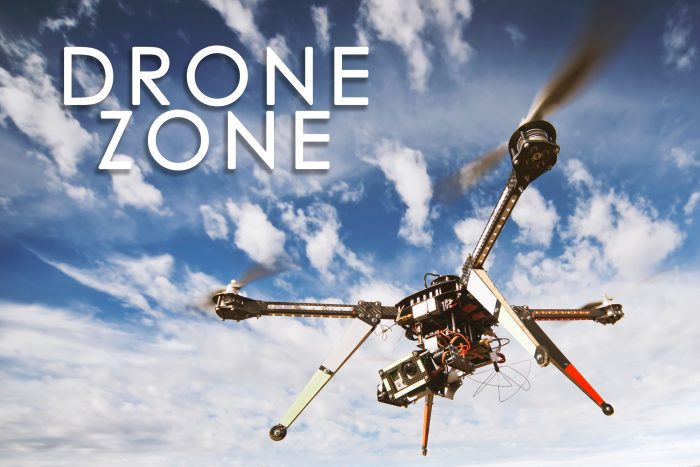
What is a drone?
Isn’t “drone” the annoying sound the fly on the ceiling is making?
With technology advancing at dramatic rates, the use of drones is becoming more and more common. Internet of things is taken to a whole new level—of the atmosphere. Referred to as the “eye of the sky,” drones are UMAs (unmanned aircraft) that are equipped with cameras that can either take pictures or recordings. These devices are navigated using GPS tracking from a remote pilot operation stationed on the ground.
So, what are these humanless flying aircrafts used for?
Jobs that are considered dangerous, dull, and dirty.
Their purpose can go as far as the mind eye can see. The images are being used for:
- Sports photography
- Journalism (Collecting footage for use in a live broadcast)
- Mapping mountaintops and coastlines
- Storm tracking
- Safety inspections
- Construction project progress
- Search & Rescue
- Monitoring wildlife
Use of drones can benefit industries of all kinds including agriculture, film production, news media, real estate, construction, mining, utilities, energy.
What could possibly go wrong?
“It’s a bird; it’s a plane,” *Smack!* “It’s…not even alive!”
Whether it’s a user-error or a power-loss, if the drone is out of control, it has the potential to injure someone or damage something. You could kick and break the thing out of anger, but that won’t pay your medical bills. Instead, these drones can be insured to cover personal injury, invasion of privacy, damage to public or private property, and medical expenses. That way, in the event of an accident, damage and medical costs will be covered. If your company is new to drone-use, be sure to look into coverage in case something goes wrong.
Do you have questions about your insurance? Find an insurance agent near you with our Agent Finder
Search All Blogs
Read More Blogs

Hitting the Trails: Why October Is the Ultimate Month for Hiking and Outdoor Exploration
Make the most of autumn weather with tips for safe, scenic weekend hiking and outdoor adventures.
Umbrella Policies for Businesses: Adding an Extra Layer of Defense Against Major Lawsuits
Shield your business assets from massive liability claims with a commercial umbrella policy.

Business Continuity Planning: Using Key Person Life Insurance to Protect Your Enterprise
Safeguard your company’s financial stability and continuity with strategic key person life insurance.
Understanding Uninsured Motorist Coverage: The Hidden Shield on Your Auto Policy
Protect yourself from reckless drivers with comprehensive uninsured motorist policy coverage.

Smart Home Tech and Insurance Discounts: How Automation Lowers Your Premiums
Lower your home insurance bills by integrating smart home monitoring and safety technology.

Fueling Your Body for Cooler Days: Exploring Autumn’s Best Harvest Superfoods
Boost your immune health and energy this fall with delicious seasonal harvest recipes and superfoods.
Beyond the Basics: Understanding the Critical Role of Business Interruption Coverage
Protect your company’s cash flow during unexpected operational shutdowns with business interruption coverage.

Locking In Your Advantage: Why Buying Life Insurance Early Locks in Lifetime Savings
See why locking in a life insurance policy during your 20s or 30s yields massive long-term savings.

Teen Drivers and Auto Insurance: Strategies for Managing Premiums Without Sacrificing Safety
Navigate adding a young driver to your auto policy while keeping premium costs under control.

The High Cost of Building: Why Your Home Replacement Value Needs an Update This Year
Ensure your home rebuilding limits keep pace with current construction inflation rates.