The Fire Under the Fir: Insuring Against Christmas Tree Calamity and Holiday Fire Risk

The Fire Under the Fir: Insuring Against Christmas Tree Calamity and Holiday Fire Risk
Christmas is the season of warmth, light, and, unfortunately, dramatically increased fire risk. Nothing embodies the holiday spirit more than a freshly cut fir tree, yet this centerpiece, combined with strands of lights and flickering candles, transforms into a potent hazard inside your home. Home fires are most common in December and January, and for homeowners, this is the time to confirm that your Home Insurance policy is robust enough to cover the worst-case scenario.
A fire originating from a Christmas tree or holiday decorations can spread rapidly, causing catastrophic damage to your dwelling and personal property.
Dwelling and Personal Property Protection
If a fire starts in your home, your policy’s two main components activate:
- Dwelling Coverage: Pays to rebuild or repair the physical structure of your home, including attached garages and permanent fixtures. After a major fire, reconstruction costs are immense, and they are rising rapidly. If your policy limits have not been updated in several years, you may be severely underinsured. This is a critical point: a December fire could cost more to rebuild than you budgeted.
- Personal Property Coverage: Covers the contents of your home, including furniture, clothing, and, importantly, the gifts under the tree. This coverage is usually calculated as a percentage of your dwelling coverage (often 50% to 70%).
The Immediate Christmas Question: If you have acquired several thousand dollars worth of new gifts that are destroyed in a fire, does your current personal property limit cover the loss? If you are at or near your limit even before Christmas, consider purchasing a temporary endorsement to increase your coverage for the month of December.
Liability and Neighbor Damage
Fire risk extends beyond your own walls. If a fire starts in your home due to your negligence (e.g., leaving candles unattended or using faulty wiring) and spreads to your neighbor’s property, you could be held liable for their damages. Your Personal Liability Coverage would step in to cover your legal defense and any resulting damages, but the costs can be staggering.
Mitigating the Risk (and Protecting Your Claim)
Insurance companies expect homeowners to take reasonable precautions. Failure to do so could lead to complications during the claims process, though outright denial is rare unless gross negligence is proven.
- Tree Safety: A dry tree is a highly flammable hazard. Ensure real trees are kept well-watered. When purchasing artificial trees, look for the “Fire Resistant” label.
- Electrical Safety: Inspect all light strands for frayed wires. Do not overload electrical outlets or run extension cords under rugs. Use timers to ensure lights are turned off when you are asleep or away.
- Candles: Never leave burning candles unattended. Place them far away from flammable materials (curtains, garland, or the Christmas tree).
This Christmas, make safety your priority. Review your dwelling limits, ensure your personal property coverage accounts for your new holiday haul, and be meticulous about fire prevention. By taking these steps, you ensure the only flames you see are safely contained in your fireplace, and your Home Insurance policy remains the quiet guardian of your holiday home.
Do you have questions about your insurance? Find an insurance agent near you with our Agent Finder
Search All Blogs
Read More Blogs
From French Fish to Spaghetti Trees: The Bizarre History of April Fools’ Day
Why do we play pranks on April 1st? Explore the centuries-old history and the most famous “fools” in world history.

Serious Fun: Managing Liability on International Fun at Work Day
Celebrating International Fun at Work Day this Wednesday? Learn how to boost morale without creating an insurance or HR headache.

Spring Clean Your Beneficiaries: A New Quarter Checklist for Life Insurance
As we enter the second quarter of 2026, it’s time for a 5-minute life insurance audit. Ensure your coverage matches your family’s newest milestones.

Put the Phone Away or Pay: The High Cost of Distraction in April 2026
April starts a national crackdown on distracted driving. Discover how one text message can double your insurance rates for the next three years.
No Joke: Protecting Your Home and Liability During April Fools’ Week
Planning a prank this Wednesday? Make sure your sense of humor doesn’t trigger a homeowners insurance claim for property damage or personal injury.
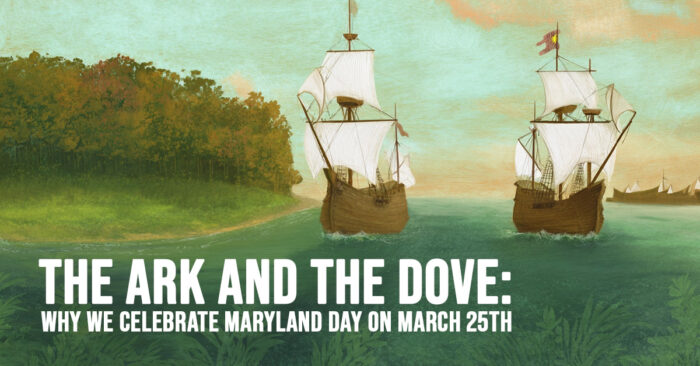
The Ark and the Dove: Why We Celebrate Maryland Day on March 25th
Why March 25th? Discover the history of the Ark and the Dove and the “Free State” origins of Maryland Day.
Celebrating Maryland Day: A Guide to Regional Compliance and Mid-Atlantic Risks
Happy Maryland Day! A look at the unique insurance requirements and environmental risks for businesses operating in the Old Line State.
The March Deadline: Understanding Your Life Insurance “Conversion” Window
Is your term life insurance expiring soon? Learn how to “convert” your policy into permanent coverage this March without a new medical exam.
Eyes on the Road: A Pre-April Guide to Distracted Driving and Your Premiums
April is almost here. Learn how your phone habits are being monitored by modern insurance “Telematics” and how to save money by staying focused.
Empty House, Full Protection: Securing Your Home Before the Spring Break Getaway
Heading out for Spring Break? Make sure your home insurance stays active while you’re gone. Essential tips for protecting your “vacant” home this March.