The Forgotten Beauty: Unearthing the Story of the Volkswagen Karmann Ghia

The Forgotten Beauty: Unearthing the Story of the Volkswagen Karmann Ghia
When the name Volkswagen is mentioned, the image that most readily springs to mind is likely the familiar rounded silhouette of the Beetle. While this iconic car undeniably defined an era, Volkswagen’s history extends beyond its most famous model. Throughout the mid-20th century, alongside the beloved Beetle and the counter-culture favorite Microbus, VW quietly produced other noteworthy vehicles. There was the quirky “Thing” of the early 70s, and then there was the Karmann Ghia, a sleek and stylish sports car that often flies under the radar in discussions of classic Volkswagens.
Produced from the 1950s through 1974, the Karmann Ghia represented a unique blend of German engineering and sophisticated Italian design. Today, a well-preserved original Karmann Ghia from its early years can command impressive prices at auction, sometimes reaching into the $60,000 range. Even later models can fetch upwards of $25,000, highlighting the car’s enduring appeal and growing collectability.
The Karmann Ghia’s story began in Germany, with just under 800,000 units manufactured throughout its production run. Interestingly, the majority, around 60%, were produced as stylish 2+2 coupes, while the remaining 40% were elegant 2+2 convertibles, offering open-air driving enjoyment. Over its two-decade lifespan, the engines powering the Karmann Ghia ranged from a modest 1200cc to a slightly more potent 1600cc, focusing more on style and handling than raw power – hence its nickname, the “poor man’s sportscar.”
The very name “Karmann Ghia” speaks to its unique heritage. Karmann was the esteemed German coachbuilding firm responsible for constructing the car’s body, renowned for their craftsmanship and quality. The “Ghia” part of the name comes from the Italian design house Ghia, celebrated for their flair and elegant automotive styling. This collaboration resulted in a vehicle that many have lauded as one of the most beautifully designed cars of its time, a harmonious marriage of German precision and Italian artistry. Its low-slung profile, sweeping lines, and distinctive curves set it apart from the more utilitarian offerings in Volkswagen’s lineup.
Interestingly, towards the end of its run in the United States, the Karmann Ghia transitioned to a strict two-seater configuration. This change was necessitated by evolving safety regulations, as the car lacked provisions for rear seat belts. Despite this adaptation, its charm and desirability among enthusiasts remained strong.
Ultimately, the Karmann Ghia paved the way for other Volkswagen sports-oriented models, including the more performance-focused Scirocco and the mid-engined Porsche 914 (which was co-developed with VW). Today, Volkswagen’s focus has shifted towards its lineup of all-electric vehicles, with no current plans to revive the beloved Karmann Ghia.
However, the “poor man’s sportscar” continues to hold a special place in the hearts of automotive enthusiasts and remains a popular and increasingly valuable collectible in the classic car world. Its unique blend of style, German engineering, and relative rarity makes it a fascinating piece of automotive history.
While you might not have a $60,000 Karmann Ghia gracing your garage, your own vehicle is undoubtedly important to you, providing transportation and a sense of freedom. Ensuring it has the appropriate insurance coverage is essential for protecting your investment and your peace of mind. Our independent insurance agents are here to help. Connect with us today to discuss your car and let us help you compare rates from various providers. You make the final decision, empowered by choice and information. We look forward to helping you get the most out of your automobile insurance premiums.
Do you have questions about your insurance? Find an insurance agent near you with our Agent Finder
Search All Blogs
Read More Blogs

Clean House, Clear Mind: Addressing Hidden Liability Risks During Spring Cleaning
Is your spring cleaning creating a safety hazard? Learn how to protect your home and your guests as you declutter this April.

From French Fish to Spaghetti Trees: The Bizarre History of April Fools’ Day
Why do we play pranks on April 1st? Explore the centuries-old history and the most famous “fools” in world history.

Serious Fun: Managing Liability on International Fun at Work Day
Celebrating International Fun at Work Day this Wednesday? Learn how to boost morale without creating an insurance or HR headache.

Spring Clean Your Beneficiaries: A New Quarter Checklist for Life Insurance
As we enter the second quarter of 2026, it’s time for a 5-minute life insurance audit. Ensure your coverage matches your family’s newest milestones.

Put the Phone Away or Pay: The High Cost of Distraction in April 2026
April starts a national crackdown on distracted driving. Discover how one text message can double your insurance rates for the next three years.

No Joke: Protecting Your Home and Liability During April Fools’ Week
Planning a prank this Wednesday? Make sure your sense of humor doesn’t trigger a homeowners insurance claim for property damage or personal injury.
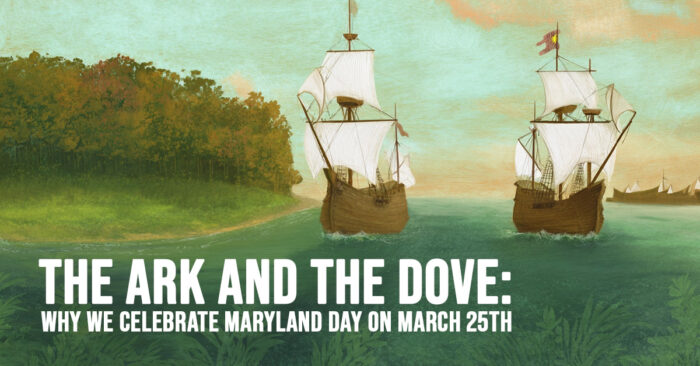
The Ark and the Dove: Why We Celebrate Maryland Day on March 25th
Why March 25th? Discover the history of the Ark and the Dove and the “Free State” origins of Maryland Day.

Celebrating Maryland Day: A Guide to Regional Compliance and Mid-Atlantic Risks
Happy Maryland Day! A look at the unique insurance requirements and environmental risks for businesses operating in the Old Line State.

The March Deadline: Understanding Your Life Insurance “Conversion” Window
Is your term life insurance expiring soon? Learn how to “convert” your policy into permanent coverage this March without a new medical exam.

Eyes on the Road: A Pre-April Guide to Distracted Driving and Your Premiums
April is almost here. Learn how your phone habits are being monitored by modern insurance “Telematics” and how to save money by staying focused.