Curious Origins: Unraveling the Stories Behind Everyday Phrases

Curious Origins: Unraveling the Stories Behind Everyday Phrases
The English language is a rich tapestry woven with threads of history, folklore, and even a touch of the bizarre. We often use phrases without giving much thought to their origins, yet many of these common expressions have surprisingly colorful and sometimes peculiar backstories. Have you ever paused to consider why we talk about “letting the cat out of the bag” or why an insincere display of sorrow is likened to “shedding crocodile tears?” These linguistic relics offer fascinating glimpses into the past, revealing old beliefs, societal practices, and even observations of the natural world. Let’s delve into the probable origins of some popular and intriguing expressions.
Holy Toledo: If you’ve ever visited Toledo, Ohio, you might have noticed its array of churches, but likely nothing that would immediately strike you as particularly “holy.” So, where does this emphatic exclamation come from? The prevailing theory points not to the American Midwest, but across the Atlantic to Toledo, Spain. Historically, Toledo, Spain, held a significant position as a major Christian religious center, boasting a remarkable number of grand and impressive churches. It’s believed that the expression “holy Toledo” originated as a reference to this Spanish city’s religious importance, eventually becoming a general exclamation of surprise or emphasis, with no actual connection to its Ohio namesake.
Shedding Crocodile Tears: When someone puts on a convincing display of sorrow that is ultimately insincere, we often say they are “shedding crocodile tears.” This evocative phrase stems from an ancient, albeit inaccurate, belief about the behavior of crocodiles. It was widely thought that crocodiles would weep tears while devouring their prey, including human victims. The idea was that these tears were a deceptive performance, making their gruesome act appear sorrowful when it was anything but. Ironically, the factual basis for this expression is nonexistent. Crocodiles don’t actually shed tears while eating.
Jaywalking: This seemingly straightforward term for pedestrians carelessly crossing streets outside of designated crosswalks has a rather interesting origin rooted in the early days of automobiles. As cars began to proliferate in major cities, a new kind of pedestrian emerged – one who was unfamiliar with traffic laws and moved erratically in the busy urban environment. Observers likened the unpredictable movements of these pedestrians to the way “jaybirds” were perceived to act when flying into large cities. These birds, unfamiliar with the tall buildings, heavy traffic, and large crowds, would often appear confused and directionless, darting haphazardly through the urban landscape. Thus, the term “jaywalking” was coined to describe people walking across traffic in an equally erratic and undirected manner, much like these bewildered avian visitors.
Sleep Tight: When tucking someone into bed, we often say “sleep tight.” This comforting phrase actually has its origins in the construction of old mattresses. In the past, mattresses were frequently held together by a network of ropes that were woven across the bed frame to provide support and firmness. Over time, these ropes would naturally loosen, leading to an uncomfortable and sagging mattress. Therefore, ensuring that the ropes were pulled taut – “tight” – was essential for a good night’s sleep. The phrase “sleep tight” thus evolved from this practical concern for a comfortable bed.
Beat Around the Bush: This common idiom, meaning to discuss a topic indirectly without getting to the main point, has its roots in the practice of hunting. In order to more easily catch birds or other small game, hunters would often employ the tactic of “beating around the bush.” This involved striking the surrounding vegetation to scare the hidden animals out into the open, where they could be more readily captured. Thus, “beating around the bush” became synonymous with approaching a topic indirectly, circling the main issue without addressing it head-on, much like the hunters trying to flush out their quarry. The ultimate goal, the “game” or the direct answer, is the intended target, but one might need to “beat around the bush” as a way to get there.
And speaking of intriguing origins, the phrase “letting the cat out of the bag” is indeed linked to the disclosure of a secret. This expression is thought to have originated from the practice of merchants selling piglets at market. To deceive unsuspecting customers, some unscrupulous sellers would substitute a less valuable cat for a piglet in a sack after a sale was agreed upon. The buyer, unaware of the switch, wouldn’t discover the deception until arriving home and “letting the cat out of the bag.”
While the origins of insurance terminology might not be quite as colorful, understanding your coverage is certainly no cat-in-the-bag situation. Some might even say our insurance coverage is the “cat’s meow” and “fit for a king”! See how we may be able to help you save on life, homeowners, automobile, and business insurance. Contact us today for your free, no-obligation quote. We look forward to assisting you in finding the purr-fect coverage for your needs.
Do you have questions about your insurance? Find an insurance agent near you with our Agent Finder
Search All Blogs
Read More Blogs

The Refund Reinvestment: Why April is the Best Time to Pay Your Auto Insurance in Full
Got a tax refund? Turn it into a 10% gain by paying your auto insurance in full this April. Discover the math behind the “Paid-in-Full” discount.

Clean House, Clear Mind: Addressing Hidden Liability Risks During Spring Cleaning
Is your spring cleaning creating a safety hazard? Learn how to protect your home and your guests as you declutter this April.

From French Fish to Spaghetti Trees: The Bizarre History of April Fools’ Day
Why do we play pranks on April 1st? Explore the centuries-old history and the most famous “fools” in world history.

Serious Fun: Managing Liability on International Fun at Work Day
Celebrating International Fun at Work Day this Wednesday? Learn how to boost morale without creating an insurance or HR headache.

Spring Clean Your Beneficiaries: A New Quarter Checklist for Life Insurance
As we enter the second quarter of 2026, it’s time for a 5-minute life insurance audit. Ensure your coverage matches your family’s newest milestones.

Put the Phone Away or Pay: The High Cost of Distraction in April 2026
April starts a national crackdown on distracted driving. Discover how one text message can double your insurance rates for the next three years.

No Joke: Protecting Your Home and Liability During April Fools’ Week
Planning a prank this Wednesday? Make sure your sense of humor doesn’t trigger a homeowners insurance claim for property damage or personal injury.
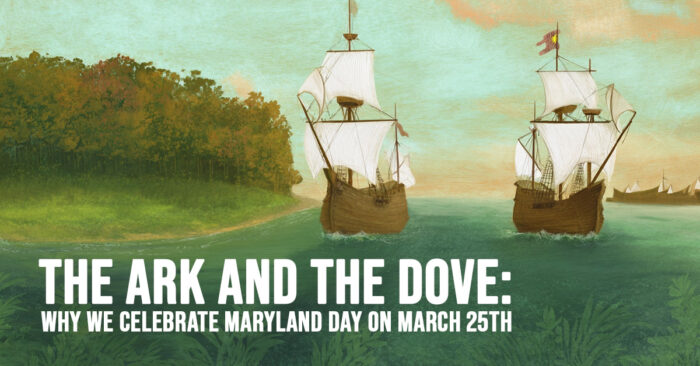
The Ark and the Dove: Why We Celebrate Maryland Day on March 25th
Why March 25th? Discover the history of the Ark and the Dove and the “Free State” origins of Maryland Day.

Celebrating Maryland Day: A Guide to Regional Compliance and Mid-Atlantic Risks
Happy Maryland Day! A look at the unique insurance requirements and environmental risks for businesses operating in the Old Line State.

The March Deadline: Understanding Your Life Insurance “Conversion” Window
Is your term life insurance expiring soon? Learn how to “convert” your policy into permanent coverage this March without a new medical exam.