No Joke: Protecting Your Home and Liability During April Fools’ Week
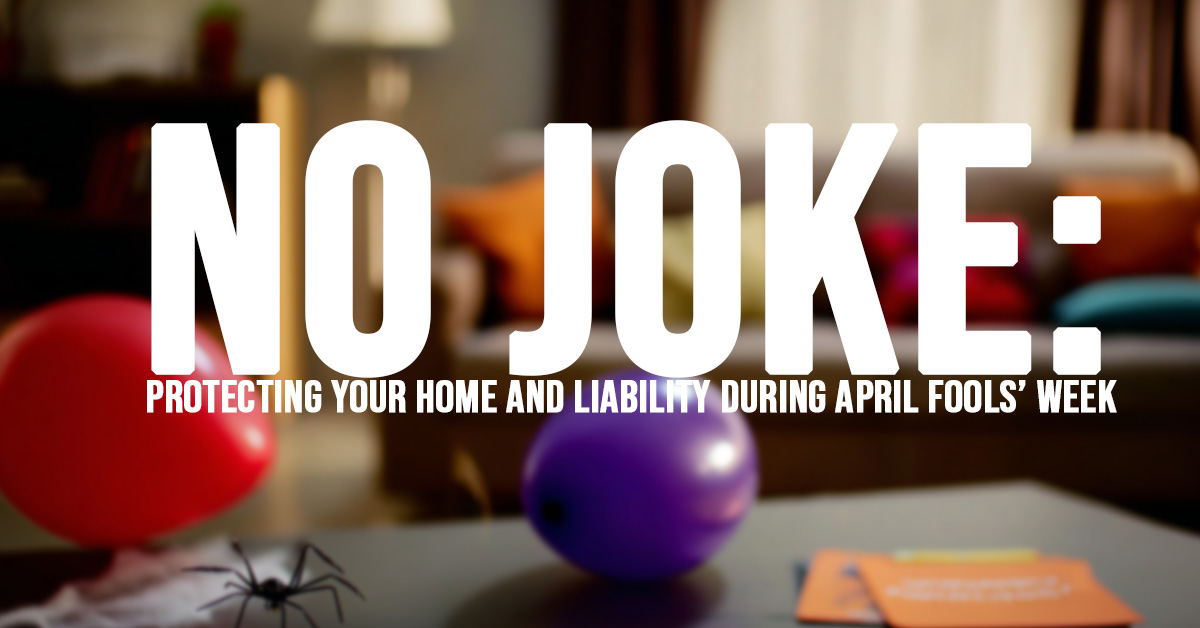
No Joke: Protecting Your Home and Liability During April Fools’ Week
Wednesday, April 1, 2026, is a day for laughter, but for insurance companies, it’s a day for unique liability risks. While most pranks are harmless, the line between a “good gag” and a “negligent act” is thinner than you might think. If a prank goes wrong and someone is injured on your property, your Homeowners Insurance is what stands between you and a costly lawsuit.
- The “Reasonable Foreseeability” Test
In insurance law, “negligence” often hinges on whether an injury was “reasonably foreseeable.” If you grease a floor to make someone slide for a laugh, and they fall and break a hip, an insurance company may view this as an intentional act rather than an accident. Intentional acts are typically excluded from coverage, meaning you could be personally responsible for medical bills and legal fees.
- Vandalism vs. Pranking
“Egging” a house or “TP-ing” a yard are classic April Fools’ tropes. However, if egg yolk sits on certain types of siding or car paint in the spring sun, it causes permanent damage. This is classified as Vandalism. If you (or your children) are the pranksters, your insurance will not cover the damage you cause to others. If you are the victim, your “Comprehensive” auto coverage or “Perils” home coverage may apply, but you’ll still be responsible for your deductible.
April 1st Rule of Thumb: Keep the pranks mental, not physical. A fake “winning lottery ticket” might be annoying, but it won’t trigger a $10,000 liability claim.
Do you have questions about your insurance? Find an insurance agent near you with our Agent Finder
Search All Blogs
Read More Blogs

Fueling Your Body for Cooler Days: Exploring Autumn’s Best Harvest Superfoods
Boost your immune health and energy this fall with delicious seasonal harvest recipes and superfoods.
Beyond the Basics: Understanding the Critical Role of Business Interruption Coverage
Protect your company’s cash flow during unexpected operational shutdowns with business interruption coverage.

Locking In Your Advantage: Why Buying Life Insurance Early Locks in Lifetime Savings
See why locking in a life insurance policy during your 20s or 30s yields massive long-term savings.

Teen Drivers and Auto Insurance: Strategies for Managing Premiums Without Sacrificing Safety
Navigate adding a young driver to your auto policy while keeping premium costs under control.

The High Cost of Building: Why Your Home Replacement Value Needs an Update This Year
Ensure your home rebuilding limits keep pace with current construction inflation rates.
The October Weekend Checklist: Smart Home Maintenance Projects Before the Freeze
Get your home winter-ready with this practical, step-by-step October weekend maintenance checklist.

Defending the Digital Frontier: Why Every Small Business Needs Cyber Liability Insurance
Safeguard your company’s digital assets and customer data against modern cyber threats and ransomware.

Term vs. Permanent Life Insurance: Choosing the Right Strategy for Your Life Stage
Compare term and permanent life insurance options to find the ideal fit for your current life stage.
Decoding Deductibles: How to Balance Out-of-Pocket Risk and Monthly Premiums on Your Car Insurance
Master auto insurance deductibles to strike the ideal balance between monthly savings and claim protection.
Spotting the Gaps: Why Standard HO-3 Policies Aren’t Enough for Today’s Homeowners
Close coverage gaps in your homeowners policy with these essential property endorsement strategies.