Flood Insurance 101: Separating Fact from Fiction
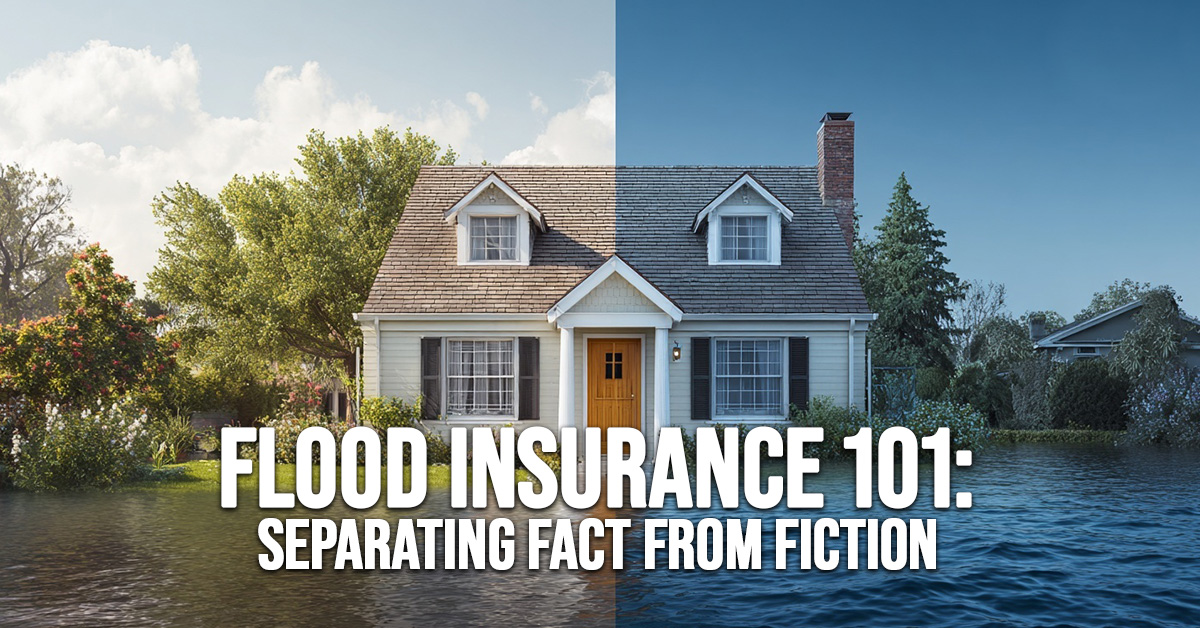
Flood Insurance 101: Separating Fact from Fiction
Floods are a silent but powerful force, representing the most common of all natural disasters. Despite this fact, there are many myths and mysteries surrounding flood insurance that leave countless families and businesses vulnerable. Understanding the truth about this essential coverage is the first step toward protecting yourself and your property. Here are the answers to some of the most frequently asked questions about flood insurance.
Is flood insurance just for homeowners? No, not at all. While homeowners should definitely consider flood insurance, renters and business owners also face significant risks from flooding. Water damage can be devastating regardless of whether you own or rent the property, or whether it’s for personal or commercial use.
Is flood insurance a part of a basic property insurance policy? This is one of the most common misconceptions. A standard homeowners, renters, or business insurance policy does not include flood protection. Flood insurance is separate coverage that is made available through the National Flood Insurance Program (NFIP), which is administered by FEMA and sold by licensed insurance agents.
Why aren’t floods covered under a standard homeowners insurance policy? Homeowners’ policies are typically designed to cover sudden and accidental events. Flooding is considered a gradual event. This is why many flood insurance policies must be purchased up to 30 days in advance of when they take effect—to prevent people from buying coverage only when a flood is imminent.
What is considered a flood? A simple, general description is that flood waters are those that have touched the ground before entering a home or building. This distinguishes it from other types of water damage, such as a burst pipe, which would typically be covered by a standard policy.
Should only those in high-risk flood zones acquire flood insurance? Absolutely not. Flooding can happen almost anywhere. In fact, approximately 25% of all flood insurance claims each year come from properties located outside of high-risk flood zones. Changes in local construction, new developments, and even climate change can alter flood risks over time, making it prudent for everyone to consider coverage.
Do flood risks change? Yes, they do. The same factors that contribute to floods outside high-risk zones, such as new road construction or building developments that change natural drainage patterns, can alter the risk for your property. It’s a good idea to periodically check area flood zone maps for updated data. These changes are an excellent reason to have an annual home insurance review.
Is flood insurance expensive? The cost of flood insurance is directly related to your property’s risk. Properties in higher-risk flood zones will naturally have higher premiums, but the cost of coverage is often a fraction of the cost of repairing the damage from a single flood event.
If you’re interested in learning more about flood insurance and its benefits, contact one of our independent home insurance agents today. They can help you determine your specific risks and provide a no-obligation quote for the coverage you need. We are here to help you protect your most valuable assets.
Do you have questions about your insurance? Find an insurance agent near you with our Agent Finder
Search All Blogs
Read More Blogs
Clean House, Clear Mind: Addressing Hidden Liability Risks During Spring Cleaning
Is your spring cleaning creating a safety hazard? Learn how to protect your home and your guests as you declutter this April.

From French Fish to Spaghetti Trees: The Bizarre History of April Fools’ Day
Why do we play pranks on April 1st? Explore the centuries-old history and the most famous “fools” in world history.

Serious Fun: Managing Liability on International Fun at Work Day
Celebrating International Fun at Work Day this Wednesday? Learn how to boost morale without creating an insurance or HR headache.

Spring Clean Your Beneficiaries: A New Quarter Checklist for Life Insurance
As we enter the second quarter of 2026, it’s time for a 5-minute life insurance audit. Ensure your coverage matches your family’s newest milestones.

Put the Phone Away or Pay: The High Cost of Distraction in April 2026
April starts a national crackdown on distracted driving. Discover how one text message can double your insurance rates for the next three years.

No Joke: Protecting Your Home and Liability During April Fools’ Week
Planning a prank this Wednesday? Make sure your sense of humor doesn’t trigger a homeowners insurance claim for property damage or personal injury.
The Ark and the Dove: Why We Celebrate Maryland Day on March 25th
Why March 25th? Discover the history of the Ark and the Dove and the “Free State” origins of Maryland Day.

Celebrating Maryland Day: A Guide to Regional Compliance and Mid-Atlantic Risks
Happy Maryland Day! A look at the unique insurance requirements and environmental risks for businesses operating in the Old Line State.

The March Deadline: Understanding Your Life Insurance “Conversion” Window
Is your term life insurance expiring soon? Learn how to “convert” your policy into permanent coverage this March without a new medical exam.

Eyes on the Road: A Pre-April Guide to Distracted Driving and Your Premiums
April is almost here. Learn how your phone habits are being monitored by modern insurance “Telematics” and how to save money by staying focused.