Flood Insurance 101: Separating Fact from Fiction
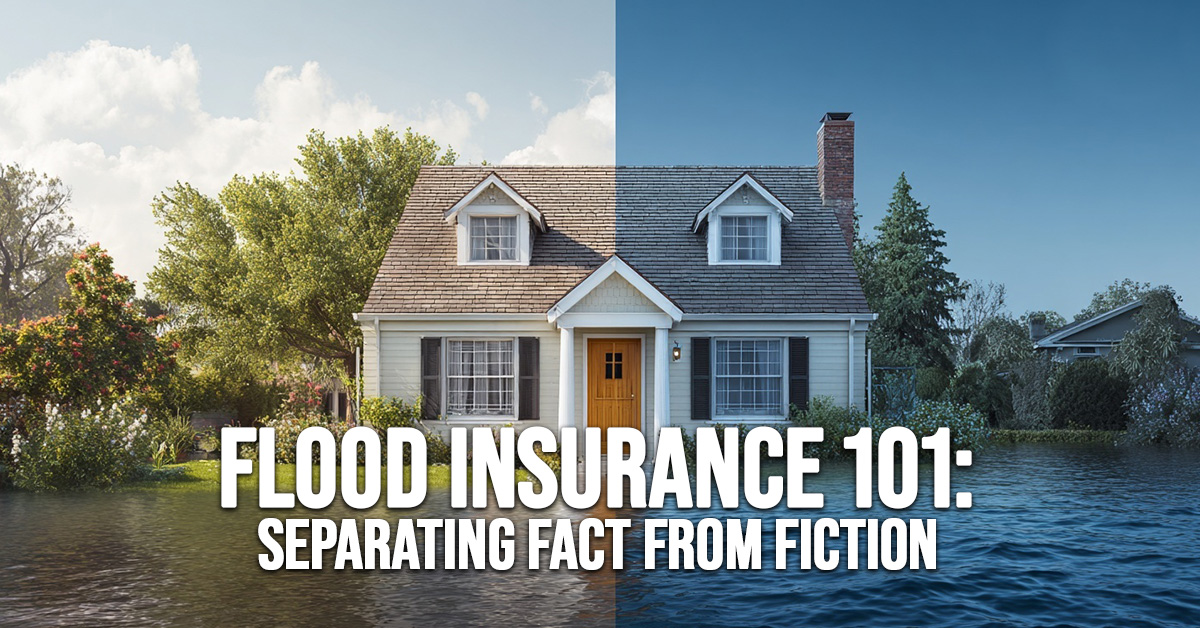
Flood Insurance 101: Separating Fact from Fiction
Floods are a silent but powerful force, representing the most common of all natural disasters. Despite this fact, there are many myths and mysteries surrounding flood insurance that leave countless families and businesses vulnerable. Understanding the truth about this essential coverage is the first step toward protecting yourself and your property. Here are the answers to some of the most frequently asked questions about flood insurance.
Is flood insurance just for homeowners? No, not at all. While homeowners should definitely consider flood insurance, renters and business owners also face significant risks from flooding. Water damage can be devastating regardless of whether you own or rent the property, or whether it’s for personal or commercial use.
Is flood insurance a part of a basic property insurance policy? This is one of the most common misconceptions. A standard homeowners, renters, or business insurance policy does not include flood protection. Flood insurance is separate coverage that is made available through the National Flood Insurance Program (NFIP), which is administered by FEMA and sold by licensed insurance agents.
Why aren’t floods covered under a standard homeowners insurance policy? Homeowners’ policies are typically designed to cover sudden and accidental events. Flooding is considered a gradual event. This is why many flood insurance policies must be purchased up to 30 days in advance of when they take effect—to prevent people from buying coverage only when a flood is imminent.
What is considered a flood? A simple, general description is that flood waters are those that have touched the ground before entering a home or building. This distinguishes it from other types of water damage, such as a burst pipe, which would typically be covered by a standard policy.
Should only those in high-risk flood zones acquire flood insurance? Absolutely not. Flooding can happen almost anywhere. In fact, approximately 25% of all flood insurance claims each year come from properties located outside of high-risk flood zones. Changes in local construction, new developments, and even climate change can alter flood risks over time, making it prudent for everyone to consider coverage.
Do flood risks change? Yes, they do. The same factors that contribute to floods outside high-risk zones, such as new road construction or building developments that change natural drainage patterns, can alter the risk for your property. It’s a good idea to periodically check area flood zone maps for updated data. These changes are an excellent reason to have an annual home insurance review.
Is flood insurance expensive? The cost of flood insurance is directly related to your property’s risk. Properties in higher-risk flood zones will naturally have higher premiums, but the cost of coverage is often a fraction of the cost of repairing the damage from a single flood event.
If you’re interested in learning more about flood insurance and its benefits, contact one of our independent home insurance agents today. They can help you determine your specific risks and provide a no-obligation quote for the coverage you need. We are here to help you protect your most valuable assets.
Do you have questions about your insurance? Find an insurance agent near you with our Agent Finder
Search All Blogs
Read More Blogs

Hitting the Trails: Why October Is the Ultimate Month for Hiking and Outdoor Exploration
Make the most of autumn weather with tips for safe, scenic weekend hiking and outdoor adventures.
Umbrella Policies for Businesses: Adding an Extra Layer of Defense Against Major Lawsuits
Shield your business assets from massive liability claims with a commercial umbrella policy.

Business Continuity Planning: Using Key Person Life Insurance to Protect Your Enterprise
Safeguard your company’s financial stability and continuity with strategic key person life insurance.
Understanding Uninsured Motorist Coverage: The Hidden Shield on Your Auto Policy
Protect yourself from reckless drivers with comprehensive uninsured motorist policy coverage.

Smart Home Tech and Insurance Discounts: How Automation Lowers Your Premiums
Lower your home insurance bills by integrating smart home monitoring and safety technology.

Fueling Your Body for Cooler Days: Exploring Autumn’s Best Harvest Superfoods
Boost your immune health and energy this fall with delicious seasonal harvest recipes and superfoods.
Beyond the Basics: Understanding the Critical Role of Business Interruption Coverage
Protect your company’s cash flow during unexpected operational shutdowns with business interruption coverage.

Locking In Your Advantage: Why Buying Life Insurance Early Locks in Lifetime Savings
See why locking in a life insurance policy during your 20s or 30s yields massive long-term savings.

Teen Drivers and Auto Insurance: Strategies for Managing Premiums Without Sacrificing Safety
Navigate adding a young driver to your auto policy while keeping premium costs under control.

The High Cost of Building: Why Your Home Replacement Value Needs an Update This Year
Ensure your home rebuilding limits keep pace with current construction inflation rates.