The AI Driver: How Technology is Redefining Auto Insurance for 2026

The AI Driver: How Technology is Redefining Auto Insurance for 2026
It’s November 2025, and a new car purchase is more than just a trip to the dealership—it’s an entry into a world of sophisticated technology. The cars on the road today are no longer just mechanical; they’re rolling computers filled with sensors, cameras, and intricate software. This technological evolution is the single biggest factor reshaping the auto insurance industry as we head into 2026. For drivers, this means both new challenges and new opportunities to save money.
First, let’s talk about the elephant in the room: Advanced Driver-Assistance Systems (ADAS). Features like automatic emergency braking, adaptive cruise control, and lane-keeping assist are designed to make us safer drivers. While they’ve proven to reduce accident frequency, they’ve also made accidents that do happen far more expensive. A minor fender-bender that once cost a few hundred dollars to fix a bumper might now require thousands of dollars to replace and recalibrate an intricate network of radar sensors and cameras. This “severity” of claims is a major reason why premiums are on the rise. Insurers are adjusting their rates to account for these higher repair costs, making it crucial for you to understand how these systems affect your policy.
Next, consider the continued acceleration of electric vehicles (EVs). The demand for EVs is skyrocketing, but they present unique challenges for insurers. The most significant is the cost of battery replacement. A damaged battery pack can represent a large portion of an EV’s total value, and replacing it is far more complex and expensive than a traditional engine repair. As a result, EV owners are seeing higher premiums, and many carriers are creating specialized policies that include coverage for the battery and home charging equipment. If you own an EV, make sure your policy is specifically tailored to your vehicle’s needs.
But it’s not just about what’s happening under the hood. The insurance industry itself is becoming more high-tech. AI-powered risk assessment and telematics are moving from niche offerings to mainstream options. Many insurance companies now offer discounts for drivers who install a small device or use a smartphone app to track their driving habits, such as speed, hard braking, and mileage. If you’re a safe, low-mileage driver—a common profile in the remote work era—this usage-based insurance (UBI) can lead to substantial savings. It’s a prime example of how data can work for you, rewarding good habits with lower costs.
Finally, we’re seeing the rise of embedded insurance, where coverage is seamlessly integrated into the car-buying process. A dealership might offer you an insurance policy at the point of sale, tailored to your new vehicle. While this can be convenient, it’s always best to do your own research. Don’t settle for the first quote you get. In 2026, the best way to save money on auto insurance is to be an educated consumer. Get quotes from multiple companies, inquire about discounts for safety features or good driving habits, and consider bundling your auto and home policies. The road ahead is filled with new technology, but with a smart approach, you can ensure your coverage keeps up.
Do you have questions about your insurance? Find an insurance agent near you with our Agent Finder
Search All Blogs
Read More Blogs

Clean House, Clear Mind: Addressing Hidden Liability Risks During Spring Cleaning
Is your spring cleaning creating a safety hazard? Learn how to protect your home and your guests as you declutter this April.

From French Fish to Spaghetti Trees: The Bizarre History of April Fools’ Day
Why do we play pranks on April 1st? Explore the centuries-old history and the most famous “fools” in world history.

Serious Fun: Managing Liability on International Fun at Work Day
Celebrating International Fun at Work Day this Wednesday? Learn how to boost morale without creating an insurance or HR headache.

Spring Clean Your Beneficiaries: A New Quarter Checklist for Life Insurance
As we enter the second quarter of 2026, it’s time for a 5-minute life insurance audit. Ensure your coverage matches your family’s newest milestones.

Put the Phone Away or Pay: The High Cost of Distraction in April 2026
April starts a national crackdown on distracted driving. Discover how one text message can double your insurance rates for the next three years.

No Joke: Protecting Your Home and Liability During April Fools’ Week
Planning a prank this Wednesday? Make sure your sense of humor doesn’t trigger a homeowners insurance claim for property damage or personal injury.
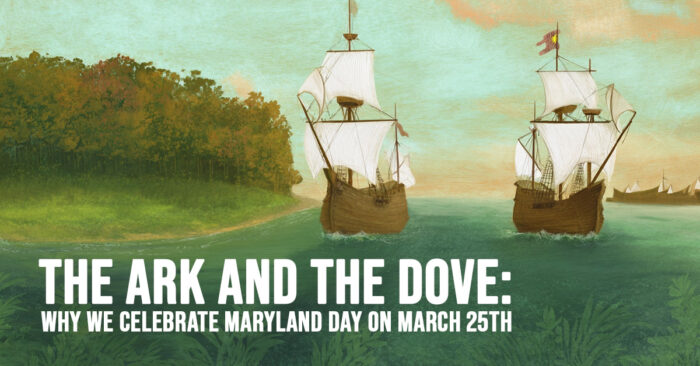
The Ark and the Dove: Why We Celebrate Maryland Day on March 25th
Why March 25th? Discover the history of the Ark and the Dove and the “Free State” origins of Maryland Day.

Celebrating Maryland Day: A Guide to Regional Compliance and Mid-Atlantic Risks
Happy Maryland Day! A look at the unique insurance requirements and environmental risks for businesses operating in the Old Line State.

The March Deadline: Understanding Your Life Insurance “Conversion” Window
Is your term life insurance expiring soon? Learn how to “convert” your policy into permanent coverage this March without a new medical exam.

Eyes on the Road: A Pre-April Guide to Distracted Driving and Your Premiums
April is almost here. Learn how your phone habits are being monitored by modern insurance “Telematics” and how to save money by staying focused.