Homeowner’s Plumbing Tips
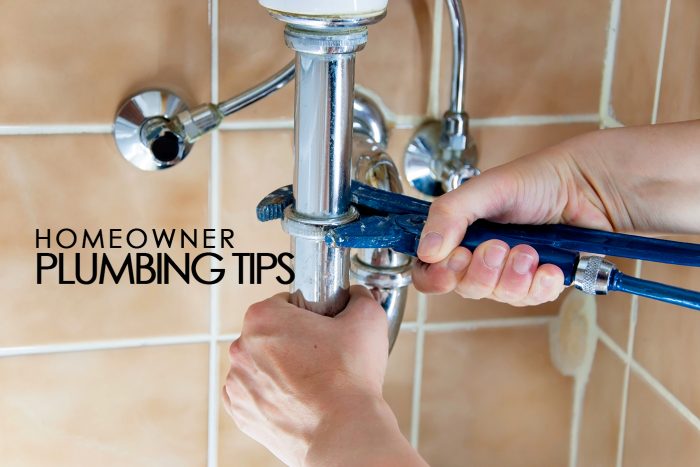
Homeowner’s Plumbing Tips
Water damage is one of the most common losses for homeowners insurance. Having water damage to your home affects your life very personally–the water can cause an unpleasant odor and even cause fungus to grow in your home. Any minor issue can become major without proper mitigation. If we use the following plumbing tips in our homes, we can help prevent any issues.
- Avoid flushing foreign objects down the toilet. Anything other than toilet paper can usually be placed in the garbage can, instead. Make sure your whole family is aware of what absolutely cannot be flushed. Flushing objects down the toilet can cause clogging.
- Also, be careful with items that read “flushable” on the package. Even some of these items have been known to cause major
- Do not put specific items down the garbage disposal. Here is a short list of things that cannot go in the disposal:
- Grease and oils
- Bones from meat
- Egg shells
- Coffee grounds
- Chemicals
- Pasta noodles
- Bread
- Potato and carrot peels
- There are many more items that cannot be put in the disposal which you can read about by searching
- Minor leaks from your faucets should not be ignored. Not only could the issue worsen, but the dripping water is also costing you money and wasting water.
- Do not overtighten any bolts or screws on your pipes. This could break the bolts and strip the screws.
- Know where the shut off valve is for the water supply. If you can instantly shut off the water supply, you could be saving your home from serious damage.
If you notice any problems with your plumbing around the home, do not ignore them. Be proactive and attempt to halt any further damage. Taking action will help prevent severe water damage to your home and could potentially save you money on your home insurance in the future, as well.

Do you have questions about your insurance? Find an insurance agent near you with our Agent Finder
Search All Blogs
Read More Blogs

Business Continuity Planning: Using Key Person Life Insurance to Protect Your Enterprise
Safeguard your company’s financial stability and continuity with strategic key person life insurance.

Understanding Uninsured Motorist Coverage: The Hidden Shield on Your Auto Policy
Protect yourself from reckless drivers with comprehensive uninsured motorist policy coverage.

Smart Home Tech and Insurance Discounts: How Automation Lowers Your Premiums
Lower your home insurance bills by integrating smart home monitoring and safety technology.
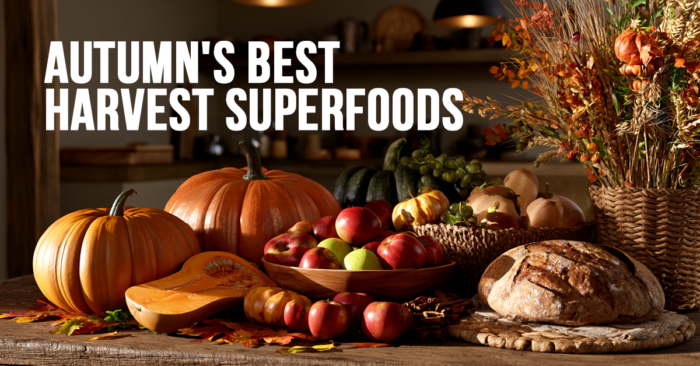
Fueling Your Body for Cooler Days: Exploring Autumn’s Best Harvest Superfoods
Boost your immune health and energy this fall with delicious seasonal harvest recipes and superfoods.
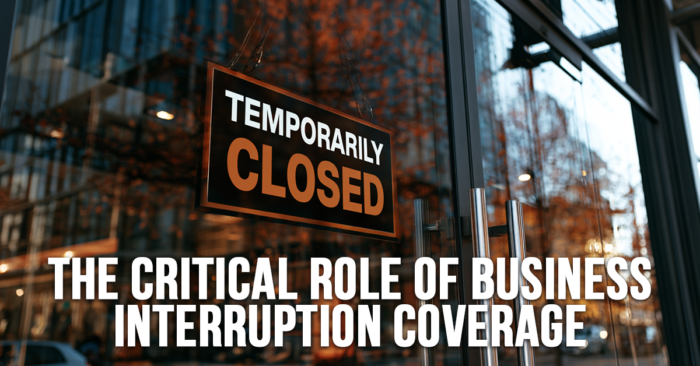
Beyond the Basics: Understanding the Critical Role of Business Interruption Coverage
Protect your company’s cash flow during unexpected operational shutdowns with business interruption coverage.

Locking In Your Advantage: Why Buying Life Insurance Early Locks in Lifetime Savings
See why locking in a life insurance policy during your 20s or 30s yields massive long-term savings.

Teen Drivers and Auto Insurance: Strategies for Managing Premiums Without Sacrificing Safety
Navigate adding a young driver to your auto policy while keeping premium costs under control.

The High Cost of Building: Why Your Home Replacement Value Needs an Update This Year
Ensure your home rebuilding limits keep pace with current construction inflation rates.
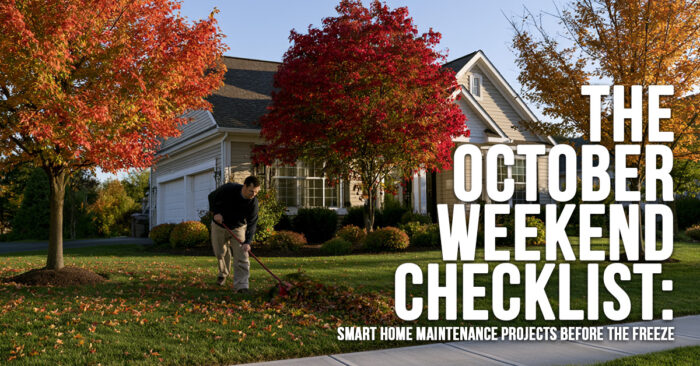
The October Weekend Checklist: Smart Home Maintenance Projects Before the Freeze
Get your home winter-ready with this practical, step-by-step October weekend maintenance checklist.

Defending the Digital Frontier: Why Every Small Business Needs Cyber Liability Insurance
Safeguard your company’s digital assets and customer data against modern cyber threats and ransomware.