The Root of the Wildfires
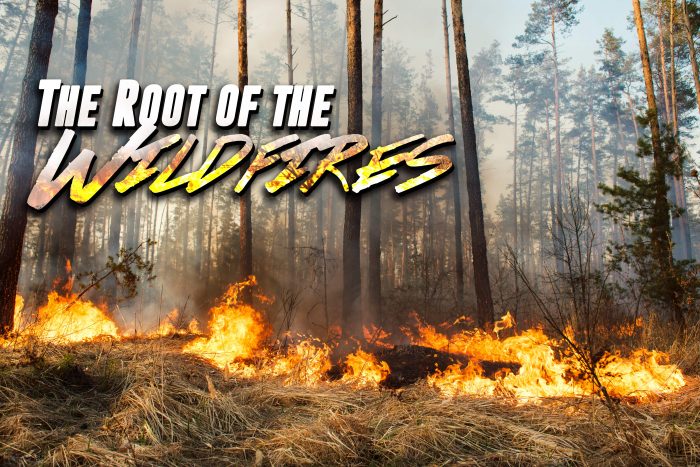
A wildfire is a massive fire that burns down large fields or forests. Based on facts from National Geographic.com, more than 100,000 wildfires happen in the United States every year. These fires burn up to 5 million acres, moving at a speed of about 14 MPH. Wildfires are not considerate of what lies in its path—from millions of trees to homes—everything gets wiped out.
Although wildfires can be a natural key part to helping shape our ecosystems, 90% are caused by humans. The activities of humans paired with carelessness is the number one cause of forest fires.
What are the major causes of wildfires involving human activities?
- Burning Debris: After raking leaves and trimming trees, burning the yard waste is the most common way of getting rid of it. However, it is not the safest, especially in a low humidity, dry environment. This can easily spread the flames at an alarming rate.
What to do instead? Sometimes your local laws allow for burning of the waste. However, it is not always recommended. If possible, load up your trimmings into a truck and take it to a dump. If it is not possible, check weather conditions, local regulations, and distance. Make sure there is an excess amount of clearance space above and surrounding your burn pile. When finished, be sure to drown the pile with water.
- Unattended Campfires: Similar to burn piles, unattended campfires can spread quickly depending on the weather conditions. When driving into national forests, there are signs scattered along side the roads, stating “Drown campfires!” Or sometimes even “No campfires!” On no occasion should you leave your campfire burning Before you leave your campsite, please be sure your fire is completely out.
What to do instead? Some forests will require a campfire permit. If you are camping, check to see if a permit is required, and check to see if there are any local fire restrictions. If there are no laws against your fire, be sure to have a bucket of water on hand along with a shovel. Drown the fire with water and use the shovel to “stir” the dirt to put out any remaining embers.
- Cigarette Butts: This is another common cause of wildfires. Smokers neglecting their responsibility to properly dispose of the bud can burn an entire forest down, even spreading into neighborhoods.
What to do instead? Never throw a butt on the ground that is still burning. Please be absolutely sure that the cigarette is completely out. Properly dispose of your cigarette bud in a trashcan to keep our forests clean and without fires. Awareness is key to doing the right thing.
Do you have questions about your insurance? Find an insurance agent near you with our Agent Finder
Search All Blogs
Read More Blogs

Fueling Your Body for Cooler Days: Exploring Autumn’s Best Harvest Superfoods
Boost your immune health and energy this fall with delicious seasonal harvest recipes and superfoods.
Beyond the Basics: Understanding the Critical Role of Business Interruption Coverage
Protect your company’s cash flow during unexpected operational shutdowns with business interruption coverage.

Locking In Your Advantage: Why Buying Life Insurance Early Locks in Lifetime Savings
See why locking in a life insurance policy during your 20s or 30s yields massive long-term savings.

Teen Drivers and Auto Insurance: Strategies for Managing Premiums Without Sacrificing Safety
Navigate adding a young driver to your auto policy while keeping premium costs under control.

The High Cost of Building: Why Your Home Replacement Value Needs an Update This Year
Ensure your home rebuilding limits keep pace with current construction inflation rates.
The October Weekend Checklist: Smart Home Maintenance Projects Before the Freeze
Get your home winter-ready with this practical, step-by-step October weekend maintenance checklist.

Defending the Digital Frontier: Why Every Small Business Needs Cyber Liability Insurance
Safeguard your company’s digital assets and customer data against modern cyber threats and ransomware.

Term vs. Permanent Life Insurance: Choosing the Right Strategy for Your Life Stage
Compare term and permanent life insurance options to find the ideal fit for your current life stage.
Decoding Deductibles: How to Balance Out-of-Pocket Risk and Monthly Premiums on Your Car Insurance
Master auto insurance deductibles to strike the ideal balance between monthly savings and claim protection.

Spotting the Gaps: Why Standard HO-3 Policies Aren’t Enough for Today’s Homeowners
Close coverage gaps in your homeowners policy with these essential property endorsement strategies.