Deluges of Disaster: Remembering America’s Most Devastating Floods
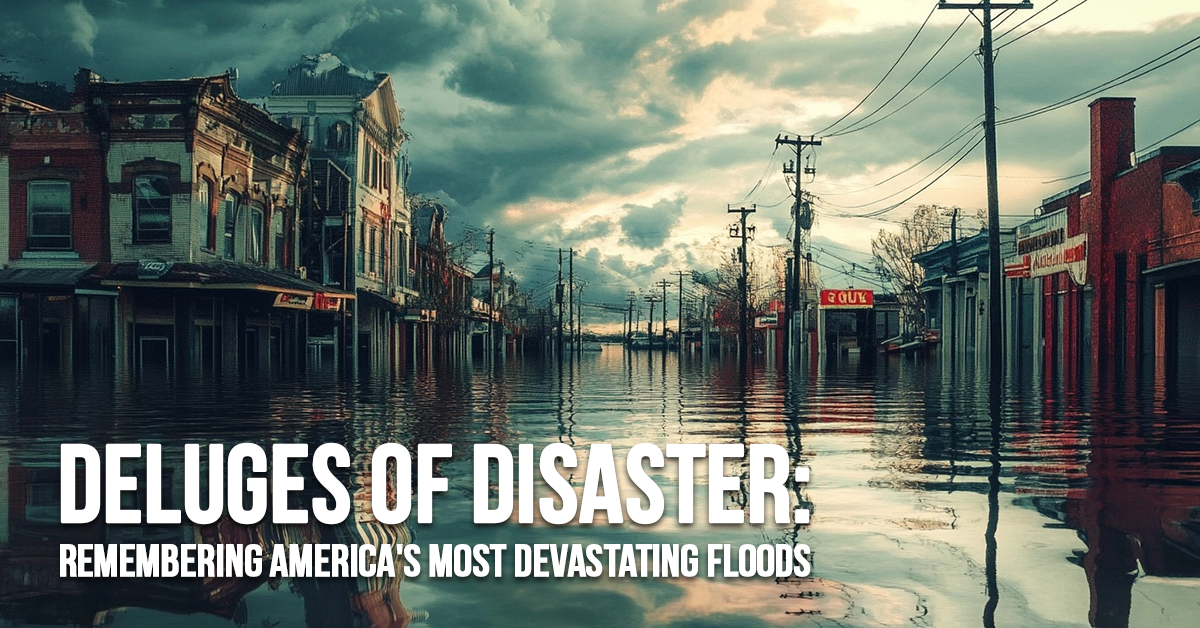
Deluges of Disaster: Remembering America’s Most Devastating Floods
Floods, a force of nature capable of immense destruction, have left an indelible mark on American history. While often associated with coastal regions or riverfront communities, the reality is that floods can strike anywhere, at any time. Understanding the devastating impact of past floods is crucial for promoting preparedness and safeguarding lives and property.
The Johnstown Flood (1889): A Cataclysmic Tragedy
The Johnstown Flood stands as one of the most horrific natural disasters in U.S. history, and indeed, globally. On May 31, 1889, a deluge of ten inches of rain saturated the area near Johnstown, Pennsylvania, overwhelming the South Fork Dam. Debris clogged the spillways, compounding the problem. Tragically, slow communication exacerbated the disaster, and when the dam finally breached, a wall of water surged towards Johnstown and South Fork. This catastrophic event claimed over 2,200 lives and caused nearly half a billion dollars in damage (adjusted for inflation). Today, the Johnstown Flood Museum serves as a poignant reminder of this tragic event.
The St. Francis Dam Failure (1928): A California Catastrophe
Just two years after its completion, the St. Francis Dam in Los Angeles County, California, collapsed, unleashing the worst flooding in the state’s history. The failure resulted in the loss of 431 lives. Over 12 billion gallons of water surged through the valley, carrying massive chunks of concrete, including a 10,000-ton piece that was moved three-quarters of a mile. Despite reported cracks in the dam months prior to its collapse, the disaster unfolded with devastating consequences.
The Great Dayton Flood (1913): A Call for Flood Control
The Great Dayton Flood of 1913, caused by the rapid rise of the Miami River, resulted in the deaths of 360 people in Dayton, Ohio, and surrounding areas. This devastating event prompted the region to become one of the first flood control districts in the United States, leading to significant advancements in flood management.
The Mississippi River and New Orleans: A History of Flooding
The Mississippi River and New Orleans have a long and troubled history of flooding. The river’s vast network of tributaries and the expansive geographical area it drains make it prone to flooding. In New Orleans, the city’s below-sea-level elevation amplifies the risk, with even moderate rainstorms often leading to flooding.
The Importance of Flood Insurance:
It’s crucial to understand that standard homeowners insurance policies typically do not cover flood damage. Flood insurance, a separate policy sanctioned by the Federal Government, is essential for protecting your property from the financial devastation of a flood. Contacting an independent homeowners insurance agent can provide valuable information and guidance on securing flood insurance coverage.
Preparedness is Key:
Floods can occur virtually anywhere, regardless of proximity to major bodies of water. Taking steps to prepare for a flood is essential for safeguarding your family and property. This includes:
- Developing an emergency plan.
- Assembling an emergency kit.
- Staying informed about flood risks in your area.
- Considering flood insurance, even if you don’t live in a high-risk area.
Conclusion:
The historic floods recounted in this article serve as stark reminders of the destructive power of nature. By understanding the risks and taking proactive measures, we can minimize the impact of future floods and protect our communities.
Disclaimer: This article provides general information and should not be considered professional disaster preparedness or insurance advice.
Do you have questions about your insurance? Find an insurance agent near you with our Agent Finder
Search All Blogs
Read More Blogs

Reviewing Your Umbrella: Do You Need Personal Liability Protection Beyond Your Home Policy?
Protect your personal net worth and future earnings with a high-limit personal umbrella insurance policy.

Hitting the Trails: Why October Is the Ultimate Month for Hiking and Outdoor Exploration
Make the most of autumn weather with tips for safe, scenic weekend hiking and outdoor adventures.
Umbrella Policies for Businesses: Adding an Extra Layer of Defense Against Major Lawsuits
Shield your business assets from massive liability claims with a commercial umbrella policy.

Business Continuity Planning: Using Key Person Life Insurance to Protect Your Enterprise
Safeguard your company’s financial stability and continuity with strategic key person life insurance.

Understanding Uninsured Motorist Coverage: The Hidden Shield on Your Auto Policy
Protect yourself from reckless drivers with comprehensive uninsured motorist policy coverage.

Smart Home Tech and Insurance Discounts: How Automation Lowers Your Premiums
Lower your home insurance bills by integrating smart home monitoring and safety technology.

Fueling Your Body for Cooler Days: Exploring Autumn’s Best Harvest Superfoods
Boost your immune health and energy this fall with delicious seasonal harvest recipes and superfoods.
Beyond the Basics: Understanding the Critical Role of Business Interruption Coverage
Protect your company’s cash flow during unexpected operational shutdowns with business interruption coverage.

Locking In Your Advantage: Why Buying Life Insurance Early Locks in Lifetime Savings
See why locking in a life insurance policy during your 20s or 30s yields massive long-term savings.

Teen Drivers and Auto Insurance: Strategies for Managing Premiums Without Sacrificing Safety
Navigate adding a young driver to your auto policy while keeping premium costs under control.