VA Home Loans
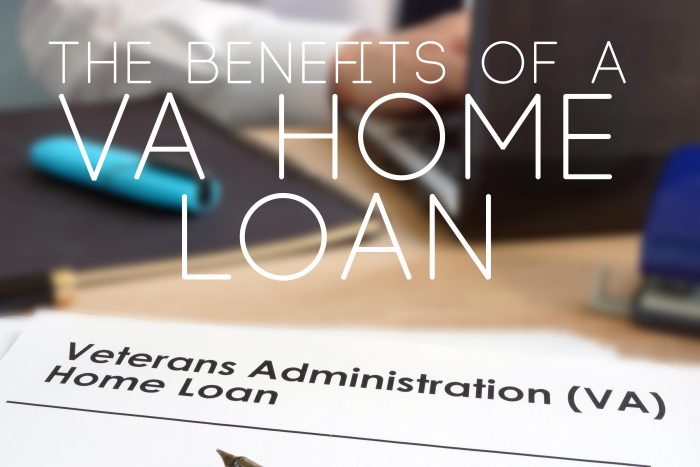
What are some of the benefits of these loans and who are they for?
Soldiers dedicate their lives as a service to our country. So, in return for their sacrifices, the government found a way to provide assistance for veterans returning from service.
While on duty, it could be difficult to save money and build credit. Soldiers have other things to focus on. By the time their enlistment is over, they are sometimes unprepared for the next stage in their lives.
In 1944, the VA home loan program was created. The basic idea was to provide support for returning veterans to purchase homes. Typically, VA loans are available without needing a down payment or good standing credit. The government felt this was a better long-term solution than just providing a lump sum of cash for a down payment. Over time, VA home loans have helped over 20 million soldiers purchase a home.
VA home loans are for veterans, active duty service members, and, in some cases, widows of fallen soldiers. Unlike your traditional mortgage, which provides 80% financing, a VA mortgage usually finances 100% of the value of the home. VA loans do not require mortgage insurance. They are flexible and lenient if you have a history of foreclosure or bankruptcy. The credit requirements are typically lower, as well as the interest rates. Although, interest rates do depend on different factors such as your finances, lender, and more.
Like other loans, you must apply to see if you meet specific requirements that make you eligible for a loan. According to the Veteran Loan Center, service members could be eligible for a home loan if they: “have served 90 consecutive days of wartime, 181 days of services during peacetime, or more than six years in the National Guard or Reserves”. There are also other factors that go into eligibility for a loan.
VA home loans are like a thank you from the government to soldiers for their service.

Do you have questions about your insurance? Find an insurance agent near you with our Agent Finder
Search All Blogs
Read More Blogs

Hitting the Trails: Why October Is the Ultimate Month for Hiking and Outdoor Exploration
Make the most of autumn weather with tips for safe, scenic weekend hiking and outdoor adventures.
Umbrella Policies for Businesses: Adding an Extra Layer of Defense Against Major Lawsuits
Shield your business assets from massive liability claims with a commercial umbrella policy.
Business Continuity Planning: Using Key Person Life Insurance to Protect Your Enterprise
Safeguard your company’s financial stability and continuity with strategic key person life insurance.
Understanding Uninsured Motorist Coverage: The Hidden Shield on Your Auto Policy
Protect yourself from reckless drivers with comprehensive uninsured motorist policy coverage.

Smart Home Tech and Insurance Discounts: How Automation Lowers Your Premiums
Lower your home insurance bills by integrating smart home monitoring and safety technology.

Fueling Your Body for Cooler Days: Exploring Autumn’s Best Harvest Superfoods
Boost your immune health and energy this fall with delicious seasonal harvest recipes and superfoods.
Beyond the Basics: Understanding the Critical Role of Business Interruption Coverage
Protect your company’s cash flow during unexpected operational shutdowns with business interruption coverage.

Locking In Your Advantage: Why Buying Life Insurance Early Locks in Lifetime Savings
See why locking in a life insurance policy during your 20s or 30s yields massive long-term savings.
Teen Drivers and Auto Insurance: Strategies for Managing Premiums Without Sacrificing Safety
Navigate adding a young driver to your auto policy while keeping premium costs under control.
The High Cost of Building: Why Your Home Replacement Value Needs an Update This Year
Ensure your home rebuilding limits keep pace with current construction inflation rates.