The Road Ahead: Navigating Auto Insurance in a World of EVs and Smart Cars

The Road Ahead: Navigating Auto Insurance in a World of EVs and Smart Cars
The end of 2025 finds us at a crossroads in the automotive world. The rumble of internal combustion engines is giving way to the silent whir of electric motors, and the driver is increasingly becoming a co-pilot thanks to advanced driver-assistance systems (ADAS). These shifts are fundamentally changing the risks on the road, and as a result, they are completely reshaping the world of auto insurance. If you’ve recently purchased an electric vehicle (EV) or a car with cutting-edge tech, you might be surprised to find that your old insurance assumptions no longer apply.
One of the most significant factors driving this change is the rise of the Electric Vehicle. While EVs are often cheaper to maintain in the long run, their initial cost and repair expenses can be higher, which impacts insurance premiums. The cost of a damaged battery pack, which can represent a significant portion of the vehicle’s value, is a major concern for insurers. You’ll want to make sure your policy adequately covers battery damage, whether from a collision or other perils. Some insurers are even offering specialized EV endorsements that cover things like home charging station damage and roadside assistance for depleted batteries. Do your homework and compare quotes, as some carriers are more EV-friendly than others.
Beyond the power source, the vehicles themselves are becoming more complex. Nearly all new cars on the market today come equipped with some form of ADAS, such as automatic emergency braking, lane-keeping assist, and blind-spot monitoring. While these technologies are designed to make us safer, their sophisticated sensors and cameras are expensive to repair or replace. A minor fender bender that once required a simple bumper replacement might now involve recalibrating an intricate network of sensors, a job that requires specialized tools and expertise. This is pushing repair costs up, and in turn, impacting premiums.
But it’s not all bad news. The same technology that makes cars more expensive to repair is also creating new opportunities for drivers to save money. Usage-based insurance (UBI), once a niche product, is now a mainstream option offered by most major carriers. By installing a small device in your car or using a mobile app, insurers can track your driving habits—things like speed, braking, and mileage. If you’re a safe driver who doesn’t log many miles, UBI can lead to significant discounts. It’s a great option for people who work from home or use public transportation and only drive occasionally.
As you head into 2026, don’t just renew your policy without a second thought. Take the time to re-evaluate your coverage in light of these changes. If you have an older car, consider whether dropping collision coverage makes sense. If you have a new smart car, confirm that your policy covers the expensive ADAS components. Look into usage-based insurance and other discounts like good driver or multi-policy bundles. The way we drive is changing, and your insurance needs to keep up. The open road is calling, and with the right coverage, you can drive with confidence knowing you’re fully protected.
Do you have questions about your insurance? Find an insurance agent near you with our Agent Finder
Search All Blogs
Read More Blogs

National Pet Day: Ensuring Your Life Insurance Includes a Plan for Your Pets
Who will care for your pet if you aren’t there? This National Pet Day, discover how to use Life Insurance to fund a Pet Trust and protect your best friend.

The Refund Reinvestment: Why April is the Best Time to Pay Your Auto Insurance in Full
Got a tax refund? Turn it into a 10% gain by paying your auto insurance in full this April. Discover the math behind the “Paid-in-Full” discount.

Clean House, Clear Mind: Addressing Hidden Liability Risks During Spring Cleaning
Is your spring cleaning creating a safety hazard? Learn how to protect your home and your guests as you declutter this April.

From French Fish to Spaghetti Trees: The Bizarre History of April Fools’ Day
Why do we play pranks on April 1st? Explore the centuries-old history and the most famous “fools” in world history.

Serious Fun: Managing Liability on International Fun at Work Day
Celebrating International Fun at Work Day this Wednesday? Learn how to boost morale without creating an insurance or HR headache.

Spring Clean Your Beneficiaries: A New Quarter Checklist for Life Insurance
As we enter the second quarter of 2026, it’s time for a 5-minute life insurance audit. Ensure your coverage matches your family’s newest milestones.
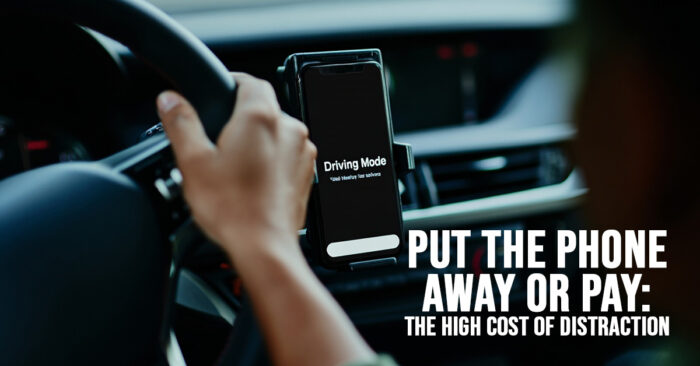
Put the Phone Away or Pay: The High Cost of Distraction in April 2026
April starts a national crackdown on distracted driving. Discover how one text message can double your insurance rates for the next three years.
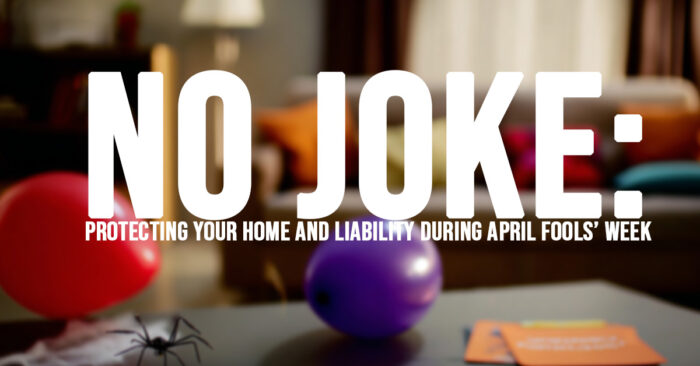
No Joke: Protecting Your Home and Liability During April Fools’ Week
Planning a prank this Wednesday? Make sure your sense of humor doesn’t trigger a homeowners insurance claim for property damage or personal injury.
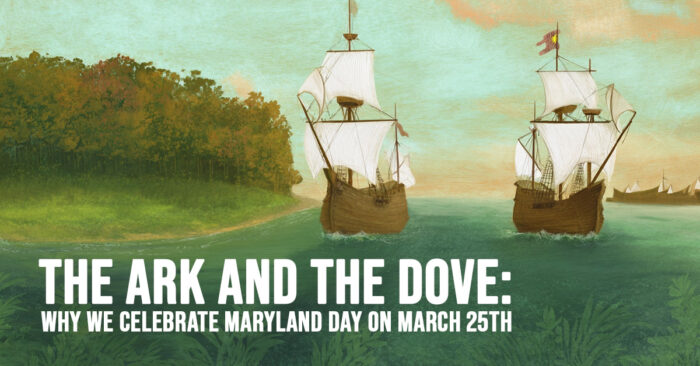
The Ark and the Dove: Why We Celebrate Maryland Day on March 25th
Why March 25th? Discover the history of the Ark and the Dove and the “Free State” origins of Maryland Day.

Celebrating Maryland Day: A Guide to Regional Compliance and Mid-Atlantic Risks
Happy Maryland Day! A look at the unique insurance requirements and environmental risks for businesses operating in the Old Line State.