Understanding Your Home Insurance Rates: 5 Key Factors
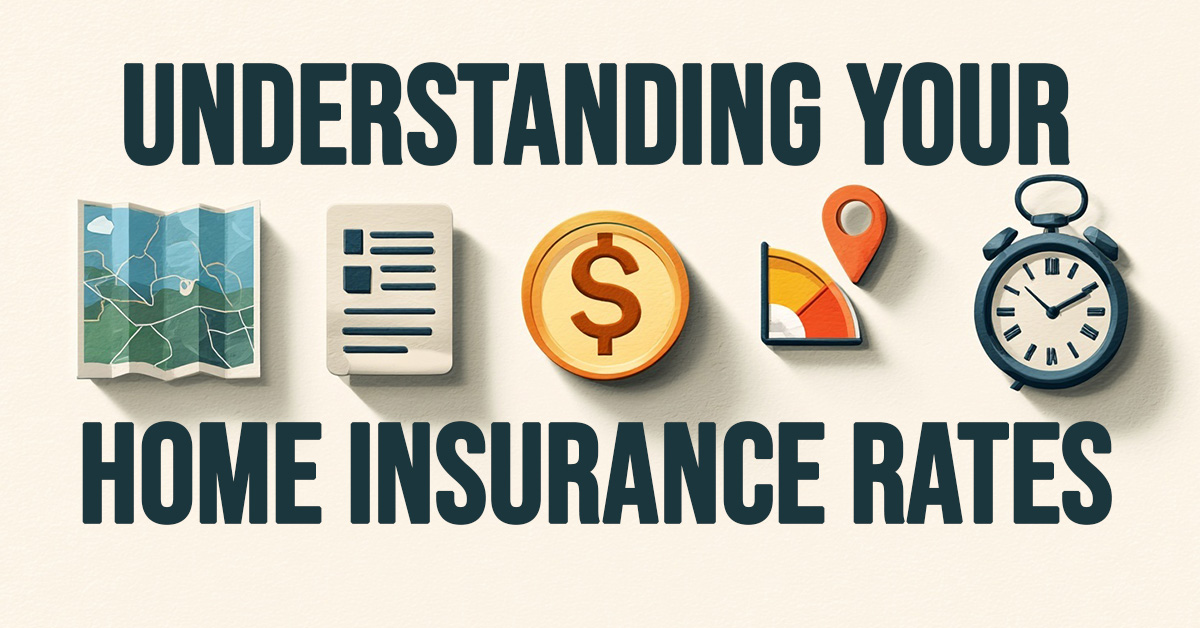
Understanding Your Home Insurance Rates: 5 Key Factors
If you’ve ever compared notes with a friend or family member, you might have wondered why their home insurance costs less than yours. The reality is that home insurance rates are not a one-size-fits-all calculation. They are determined by a variety of factors, and the weight an insurance company places on each can be different. Understanding these five key factors can help demystify your premium and empower you to make more informed decisions about your coverage.
First, property location is a major driver of your home insurance rates. This isn’t just about the city or neighborhood; it also includes the specific terrain and the property’s risk of natural disasters like wildfires, floods, or hurricanes. The proximity of the nearest fire department and even fire hydrants can also impact your rates, as a faster response time can mitigate a covered loss.
Second, the price, value, and replacement costs of your home play a large role. The higher the value of your home and the more it would cost to rebuild it in the event of a total loss, the higher your premiums will be. This value is determined by factors like the square footage, the quality of building materials, unique features, and amenities.
Third, your coverage limits directly impact your premium. Generally speaking, the higher your coverage limits—for the structure, the contents of your home, and your personal liability—the more your policy will cost. An independent insurance agent can be a great resource here, helping you determine a reasonable and sufficient amount of coverage for your specific situation.
Fourth, the deductible you choose plays a significant role. Your deductible is the amount of money you pay out-of-pocket for a covered loss before your insurance policy kicks in. The larger your deductible, the lower your premiums may be. This is because you are taking on a greater portion of the financial risk.
Finally, the age and condition of your home are important considerations. As building techniques and codes have improved over time, new homes are generally safer and cheaper to insure than older ones. Vintage homes may have outdated plumbing, old wiring, or roofs that are nearing the end of their lifespan, all of which present a higher risk of a claim. In some cases, an older property may even be uninsurable until basic improvements are made to bring it up to current standards.
While all insurance companies use these factors, they may place different emphasis on each, which is why it’s so important to compare policies when you shop for home insurance. Our independent insurance agents can assist you with this process. We can reach out to a network of companies to find the coverage and premium that you are comfortable with. Contact us today to get started on your free, no-obligation quote.
Do you have questions about your insurance? Find an insurance agent near you with our Agent Finder
Search All Blogs
Read More Blogs

Hitting the Trails: Why October Is the Ultimate Month for Hiking and Outdoor Exploration
Make the most of autumn weather with tips for safe, scenic weekend hiking and outdoor adventures.
Umbrella Policies for Businesses: Adding an Extra Layer of Defense Against Major Lawsuits
Shield your business assets from massive liability claims with a commercial umbrella policy.

Business Continuity Planning: Using Key Person Life Insurance to Protect Your Enterprise
Safeguard your company’s financial stability and continuity with strategic key person life insurance.
Understanding Uninsured Motorist Coverage: The Hidden Shield on Your Auto Policy
Protect yourself from reckless drivers with comprehensive uninsured motorist policy coverage.

Smart Home Tech and Insurance Discounts: How Automation Lowers Your Premiums
Lower your home insurance bills by integrating smart home monitoring and safety technology.

Fueling Your Body for Cooler Days: Exploring Autumn’s Best Harvest Superfoods
Boost your immune health and energy this fall with delicious seasonal harvest recipes and superfoods.
Beyond the Basics: Understanding the Critical Role of Business Interruption Coverage
Protect your company’s cash flow during unexpected operational shutdowns with business interruption coverage.

Locking In Your Advantage: Why Buying Life Insurance Early Locks in Lifetime Savings
See why locking in a life insurance policy during your 20s or 30s yields massive long-term savings.

Teen Drivers and Auto Insurance: Strategies for Managing Premiums Without Sacrificing Safety
Navigate adding a young driver to your auto policy while keeping premium costs under control.
The High Cost of Building: Why Your Home Replacement Value Needs an Update This Year
Ensure your home rebuilding limits keep pace with current construction inflation rates.