Shadow or Spring? The Quirky Science and Folklore of Groundhog Day 2026
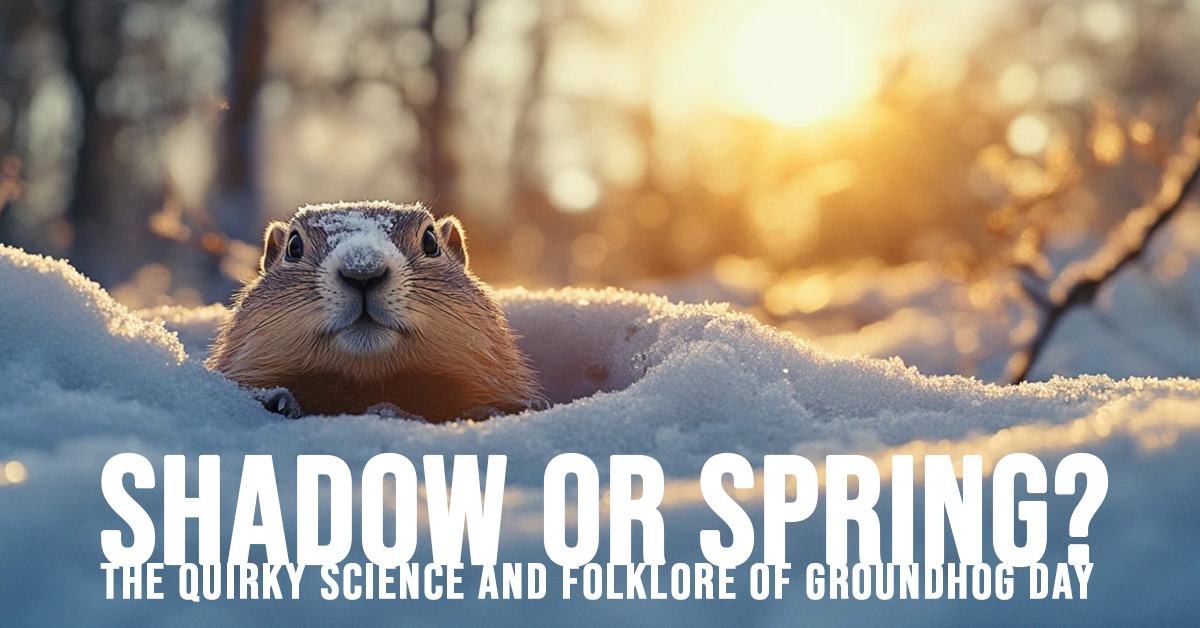
Shadow or Spring? The Quirky Science and Folklore of Groundhog Day 2026
On Monday, February 2, 2026, the eyes of the nation (and several confused meteorologists) will turn to a small hill in Pennsylvania. Groundhog Day is perhaps America’s strangest holiday—a day where a rodent’s reaction to sunlight supposedly dictates the national energy budget for the next six weeks.
But where did this tradition come from, and is there any actual science behind Phil’s predictions?
- From Badgers to Groundhogs
The tradition actually has roots in the Christian holiday of Candlemas. An old English song said: “If Candlemas be fair and bright, Come, Winter, have another flight; If Candlemas brings clouds and rain, Go Winter, and come not again.”
German settlers in Pennsylvania brought their own version, which involved a badger. Finding no badgers in the American Northeast, they “recruited” the plentiful groundhog (or woodchuck). In 1887, the first official Groundhog Day was held at Gobbler’s Knob.
- The Accuracy (Or Lack Thereof)
According to the NOAA, Punxsutawney Phil has been right about 40% of the time over the last ten years. In other words, you’d be better off flipping a coin. However, the holiday isn’t really about the weather—it’s about the mid-winter “pause.” In the deep chill of early February, the idea that spring might be just six weeks away provides a vital psychological boost.
Whether Phil sees his shadow or not this Monday, Groundhog Day remains a charming reminder that even in our high-tech 2026 world, we still enjoy a little bit of folklore to help us through the winter.
Do you have questions about your insurance? Find an insurance agent near you with our Agent Finder
Search All Blogs
Read More Blogs

Spring Clean Your Beneficiaries: A New Quarter Checklist for Life Insurance
As we enter the second quarter of 2026, it’s time for a 5-minute life insurance audit. Ensure your coverage matches your family’s newest milestones.

Put the Phone Away or Pay: The High Cost of Distraction in April 2026
April starts a national crackdown on distracted driving. Discover how one text message can double your insurance rates for the next three years.
No Joke: Protecting Your Home and Liability During April Fools’ Week
Planning a prank this Wednesday? Make sure your sense of humor doesn’t trigger a homeowners insurance claim for property damage or personal injury.
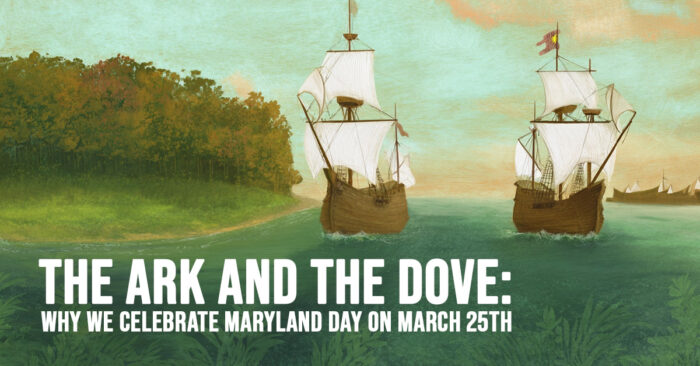
The Ark and the Dove: Why We Celebrate Maryland Day on March 25th
Why March 25th? Discover the history of the Ark and the Dove and the “Free State” origins of Maryland Day.

Celebrating Maryland Day: A Guide to Regional Compliance and Mid-Atlantic Risks
Happy Maryland Day! A look at the unique insurance requirements and environmental risks for businesses operating in the Old Line State.
The March Deadline: Understanding Your Life Insurance “Conversion” Window
Is your term life insurance expiring soon? Learn how to “convert” your policy into permanent coverage this March without a new medical exam.

Eyes on the Road: A Pre-April Guide to Distracted Driving and Your Premiums
April is almost here. Learn how your phone habits are being monitored by modern insurance “Telematics” and how to save money by staying focused.

Empty House, Full Protection: Securing Your Home Before the Spring Break Getaway
Heading out for Spring Break? Make sure your home insurance stays active while you’re gone. Essential tips for protecting your “vacant” home this March.
The Equal Night: Ancient Traditions and Modern Facts about the Vernal Equinox
It’s officially Spring! Discover the science and the stories behind the Vernal Equinox happening this Friday.

Green Beer and Red Tape: Managing Liquor Liability for St. Patrick’s Day Events
Let the good times roll, but keep the liability in check. A guide for businesses hosting St. Patrick’s Day celebrations this Tuesday.