Hurry! Cane you get away from the storm?
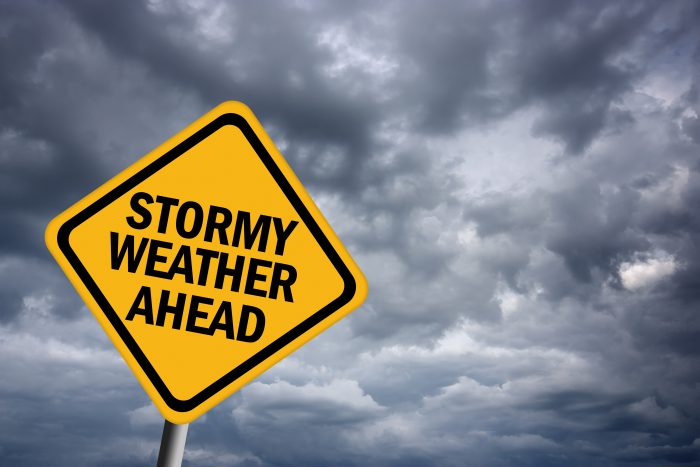
Stormy weather warning sign
2017 was a record-breaking year for hurricanes, with about twenty named tropical storms, seven being hurricanes, and four being major hurricanes category 3-5. Last year having the most storms resulted in also being the costliest hurricane season in U.S. history. If last year’s hurricane season wasn’t bad enough, this year is predicted to be the same.
These hurricanes destroy lives—killing people and stripping them of their homes and automobiles—making the billions of dollars seem like nothing.
Why the increase in hurricanes? Hurricanes are the result of warm seawater and warm air combining and evaporating. So, if there are more hurricanes, which are a result of warmth, what could the increase be caused by? The answer is more warmth in our atmosphere and our seas, otherwise known as global warming.
Our atmosphere is warming up, causing our seas to warm up at higher latitudes, which creates more tropical storms and more intense hurricanes.
How will an increase in hurricanes affect us?
Hurricanes can kill humans. We can also be impacted indirectly by climate changes, and the same goes for animals that inhabit the land surrounding us. Hurricanes can destroy our crops and vegetation to produce more crops, impacting what we eat and how we retrieve our food. Homes can be destroyed—the place where we feel safe and hold our belongings can be wiped away by these beastly storms. In 2017, homes that affected by Hurricane Irma were also impacted by Hurricane Maria not long after. These costly storms are impacting lives around the globe. Prepare for this year’s hurricane season by ensuring your own life is safe, that’s the most important thing.
 By: KayLynn
Do you have questions about your insurance? Find an insurance agent near you with our Agent Finder
Search All Blogs
Read More Blogs
Reviewing Your Umbrella: Do You Need Personal Liability Protection Beyond Your Home Policy?
Protect your personal net worth and future earnings with a high-limit personal umbrella insurance policy.

Hitting the Trails: Why October Is the Ultimate Month for Hiking and Outdoor Exploration
Make the most of autumn weather with tips for safe, scenic weekend hiking and outdoor adventures.
Umbrella Policies for Businesses: Adding an Extra Layer of Defense Against Major Lawsuits
Shield your business assets from massive liability claims with a commercial umbrella policy.

Business Continuity Planning: Using Key Person Life Insurance to Protect Your Enterprise
Safeguard your company’s financial stability and continuity with strategic key person life insurance.
Understanding Uninsured Motorist Coverage: The Hidden Shield on Your Auto Policy
Protect yourself from reckless drivers with comprehensive uninsured motorist policy coverage.

Smart Home Tech and Insurance Discounts: How Automation Lowers Your Premiums
Lower your home insurance bills by integrating smart home monitoring and safety technology.
Fueling Your Body for Cooler Days: Exploring Autumn’s Best Harvest Superfoods
Boost your immune health and energy this fall with delicious seasonal harvest recipes and superfoods.
Beyond the Basics: Understanding the Critical Role of Business Interruption Coverage
Protect your company’s cash flow during unexpected operational shutdowns with business interruption coverage.

Locking In Your Advantage: Why Buying Life Insurance Early Locks in Lifetime Savings
See why locking in a life insurance policy during your 20s or 30s yields massive long-term savings.
Teen Drivers and Auto Insurance: Strategies for Managing Premiums Without Sacrificing Safety
Navigate adding a young driver to your auto policy while keeping premium costs under control.