The Shifting Sands of Homeownership: What Happened to the Starter Home?
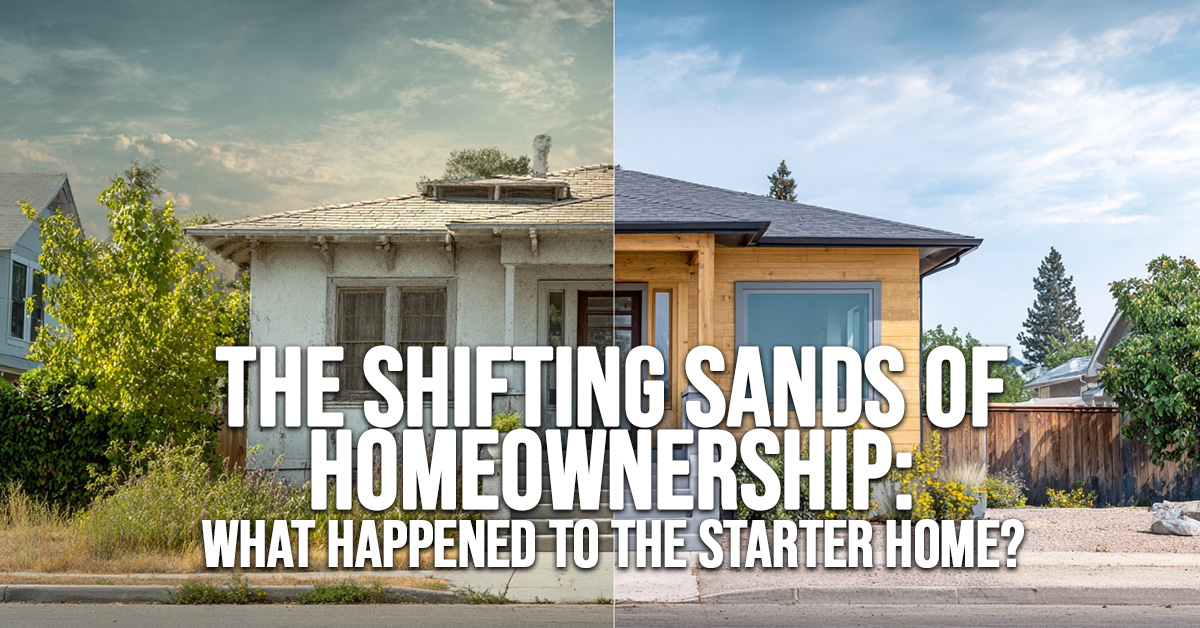
The Shifting Sands of Homeownership: What Happened to the Starter Home?
There was a time when the purchase of a first home marked an exciting milestone for young couples. It signified years of saving, the culmination of dreams, and the first step into building a life together. Often, this initial purchase was what became affectionately known as a “starter home” – a more modest property, perhaps in a less established neighborhood, often requiring a bit of elbow grease. It was, in essence, a training ground for homeownership.
These starter homes, while not always perfect, served a vital purpose. They allowed young couples to enter the housing market, build equity through sweat equity and mortgage payments, and eventually leverage that investment to move into a more permanent “second home.” Friends and family would often rally around new starter home buyers, eager to lend a hand with renovations and celebrate this significant, albeit temporary, stop on life’s journey.
However, the housing landscape has shifted dramatically. Today, fewer and fewer first-time buyers are seeking out these traditional starter homes. Instead, the preference leans heavily towards move-in ready properties requiring minimal upkeep or even brand-new constructions. So, what exactly happened to the beloved “starter home”? Several factors have contributed to this significant change.
Firstly, the demographics of first-time homebuyers have evolved. In the past, many entered the market in their early twenties. Today, the average age of a first-time homebuyer has risen, often falling into their late twenties or even early thirties. This delay often means that these buyers have accumulated more savings and are less inclined to take on the challenges and uncertainties associated with a fixer-upper.
Secondly, there’s a noticeable shift in the preferences of younger generations, particularly millennials and those younger. Unlike their parents or grandparents, they generally have less enthusiasm for hands-on home improvement projects. They prioritize convenience and are more drawn to homes that require little to no immediate work. The appeal of spending weekends on renovations has waned for many.
Furthermore, the homebuilding industry has streamlined the process of buying a new home, making it feel remarkably similar to purchasing a car. Developers offer attractive incentives such as small down payments, flexible financing options, and even inclusive community maintenance, simplifying the buying experience. Ironically, it can sometimes be more complex to purchase a less expensive resale home from a private seller than to secure a brand-new property in a planned community.
This ease and the desire for immediate gratification have led many young buyers to adopt a “why wait?” mentality. They question the logic of investing time, effort, and money into a starter home when they can potentially skip that step altogether and move directly into a home that meets their long-term needs and desires.
Interestingly, there are often practical benefits to purchasing a new home versus a traditional starter home. For instance, homeowners’ insurance premiums are often lower for newer properties. This is because new homes are built to current codes, feature updated wiring and plumbing, and are generally constructed to better withstand various environmental factors, leading to fewer potential claims.
As you navigate the journey of homeownership and consider your insurance needs, we encourage you to contact us for a no-obligation home insurance quote. Just as you carefully consider your options when buying a home, ensure you are equally informed and smart about protecting your investment with the right homeowners’ insurance coverage. Contact us today to explore your options and secure peace of mind.
Do you have questions about your insurance? Find an insurance agent near you with our Agent Finder
Search All Blogs
Read More Blogs

Locking In Your Advantage: Why Buying Life Insurance Early Locks in Lifetime Savings
See why locking in a life insurance policy during your 20s or 30s yields massive long-term savings.

Teen Drivers and Auto Insurance: Strategies for Managing Premiums Without Sacrificing Safety
Navigate adding a young driver to your auto policy while keeping premium costs under control.
The High Cost of Building: Why Your Home Replacement Value Needs an Update This Year
Ensure your home rebuilding limits keep pace with current construction inflation rates.
The October Weekend Checklist: Smart Home Maintenance Projects Before the Freeze
Get your home winter-ready with this practical, step-by-step October weekend maintenance checklist.

Defending the Digital Frontier: Why Every Small Business Needs Cyber Liability Insurance
Safeguard your company’s digital assets and customer data against modern cyber threats and ransomware.
Term vs. Permanent Life Insurance: Choosing the Right Strategy for Your Life Stage
Compare term and permanent life insurance options to find the ideal fit for your current life stage.

Decoding Deductibles: How to Balance Out-of-Pocket Risk and Monthly Premiums on Your Car Insurance
Master auto insurance deductibles to strike the ideal balance between monthly savings and claim protection.
Spotting the Gaps: Why Standard HO-3 Policies Aren’t Enough for Today’s Homeowners
Close coverage gaps in your homeowners policy with these essential property endorsement strategies.

Embracing Autumn’s Rhythm: Practical Ways to Reset, Refresh, and Prepare Your Life for the Season Ahead
Refresh your routine this fall with practical tips for seasonal organization, wellness, and mindful living.

Strengthening Your Enterprise: Essential Commercial Insurance Strategies for Modern Business Owners
Essential commercial insurance insights to safeguard your business assets, employees, and digital operations.