Defrosting Disaster: The Costly Liability of Ice, Water, and Frozen Sidewalks in December
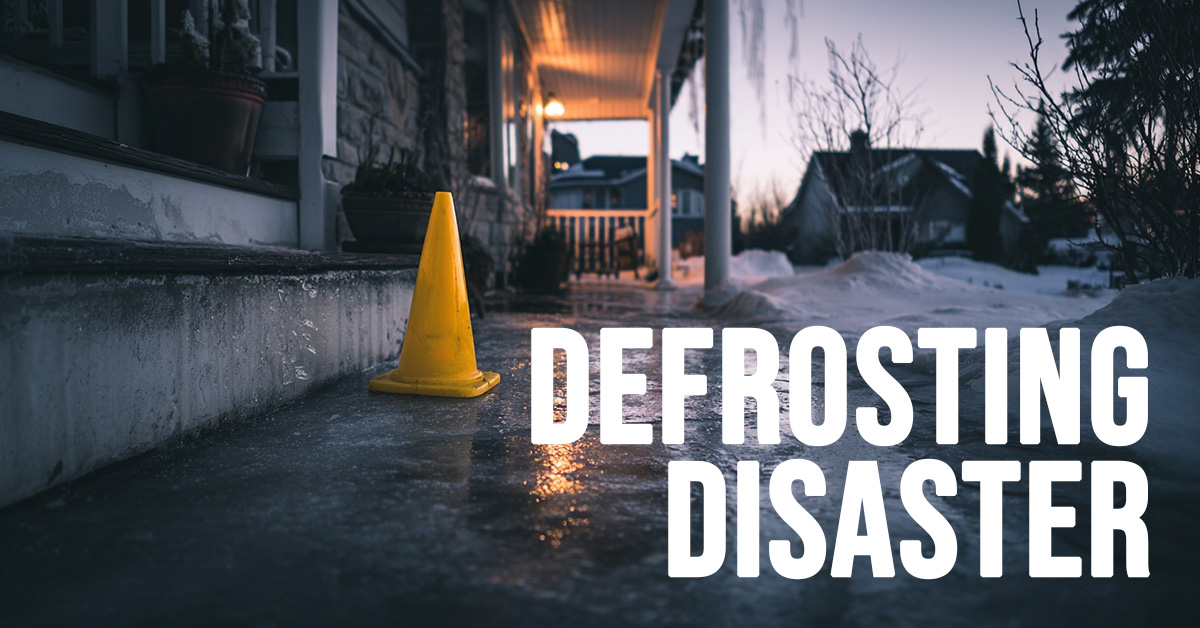
Defrosting Disaster: The Costly Liability of Ice, Water, and Frozen Sidewalks in December
December turns the outside of your home into a beautiful but treacherous landscape. The cycle of freezing and thawing, combined with heavy precipitation, introduces two major threats to homeowners: devastating water damage and significant personal liability from slip-and-fall incidents. Relying solely on your standard Home Insurance policy without understanding its limitations in these areas is a recipe for a costly financial shock.
As the weather fluctuates, a proactive approach to maintenance and a clear understanding of your coverage are the best defenses against a December disaster.
The Liability Landmine: Unshoveled Walks
Your Personal Liability Coverage is perhaps the most active part of your policy during the winter months. The moment snow or ice accumulates on your property, a duty of care is created. If a postal worker, neighbor, or delivery driver slips and breaks a bone on your unmaintained walkway, you are highly likely to be held responsible for their medical bills, lost wages, and pain and suffering.
- Standard Coverage: This part of your policy covers the legal fees and resulting settlement or judgment if you are found legally liable.
- The Expectation: Insurers expect you to take reasonable steps to mitigate the risk. This means promptly shoveling snow and applying salt or sand to ice. Ignoring a known hazard is considered negligence and, while your policy will cover the incident, repeated negligence can lead to premium hikes or non-renewal.
In December, ensure your liability limit is robust—ideally $300,000 to $500,000—and consider an Umbrella Policy for excess liability protection, which is extremely affordable relative to the protection it offers.
Subterranean Danger: Water Backup and Sump Pumps
While burst pipes are a common winter worry, water backup is another major December claim. This occurs when an overloaded sewer or drainage system, often stressed by heavy melted snow and rain, backs up into your home through drains or sewage pipes.
Furthermore, a frozen ground prevents water from soaking into the earth, forcing it into your basement. This is where your sump pump works overtime. If the pump fails or loses power, your basement quickly floods.
The Coverage Gap: Standard Home Insurance policies exclude damage caused by water backup from sewers or drains, and they often exclude water damage due to sump pump failure.
To cover these highly probable December risks, you must purchase a specific endorsement:
- Sump Pump Failure/Water Backup Coverage: This add-on provides coverage for damage to your structure and personal property caused by water entering from a sewer, drain, or sump pump failure. The premium is typically low, but the cost of basement flooding (ruined drywall, furniture, and foundation damage) can be tens of thousands of dollars.
Before the next major winter storm hits, call your agent. Verify your liability limits are high, and confirm you have the essential Water Backup/Sump Pump Failure endorsement in place. This small step can protect your property and your financial future from the inevitable water risks that the deep freeze brings.
Do you have questions about your insurance? Find an insurance agent near you with our Agent Finder
Search All Blogs
Read More Blogs
The Tax Day Crunch: Protecting Your Business from Professional Errors
Tax Day is almost here. Is your business protected against data breaches and professional errors during this high-stress week?

National Pet Day: Ensuring Your Life Insurance Includes a Plan for Your Pets
Who will care for your pet if you aren’t there? This National Pet Day, discover how to use Life Insurance to fund a Pet Trust and protect your best friend.

The Refund Reinvestment: Why April is the Best Time to Pay Your Auto Insurance in Full
Got a tax refund? Turn it into a 10% gain by paying your auto insurance in full this April. Discover the math behind the “Paid-in-Full” discount.
Clean House, Clear Mind: Addressing Hidden Liability Risks During Spring Cleaning
Is your spring cleaning creating a safety hazard? Learn how to protect your home and your guests as you declutter this April.

From French Fish to Spaghetti Trees: The Bizarre History of April Fools’ Day
Why do we play pranks on April 1st? Explore the centuries-old history and the most famous “fools” in world history.

Serious Fun: Managing Liability on International Fun at Work Day
Celebrating International Fun at Work Day this Wednesday? Learn how to boost morale without creating an insurance or HR headache.

Spring Clean Your Beneficiaries: A New Quarter Checklist for Life Insurance
As we enter the second quarter of 2026, it’s time for a 5-minute life insurance audit. Ensure your coverage matches your family’s newest milestones.

Put the Phone Away or Pay: The High Cost of Distraction in April 2026
April starts a national crackdown on distracted driving. Discover how one text message can double your insurance rates for the next three years.
No Joke: Protecting Your Home and Liability During April Fools’ Week
Planning a prank this Wednesday? Make sure your sense of humor doesn’t trigger a homeowners insurance claim for property damage or personal injury.
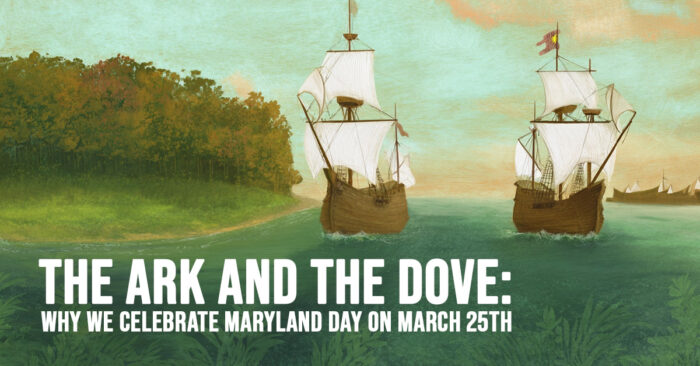
The Ark and the Dove: Why We Celebrate Maryland Day on March 25th
Why March 25th? Discover the history of the Ark and the Dove and the “Free State” origins of Maryland Day.