What is Identity Theft?
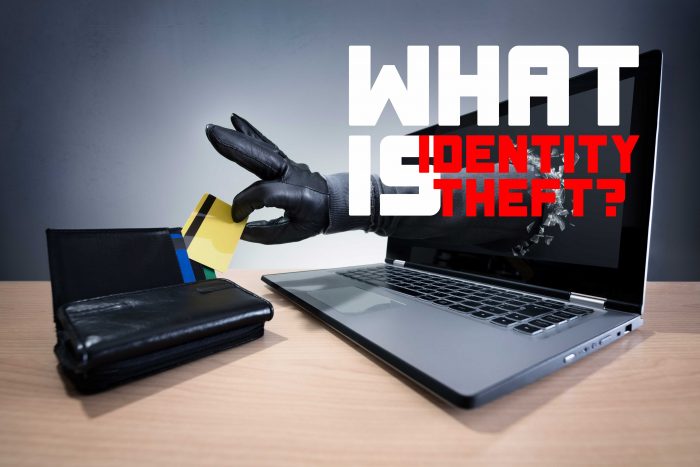
What is Identity Theft?
Who are you? What aspects of yourself do you identify with? Your morals and values, your interests, the way you grew up? These things make you who you are. However, though these aspects are important to you, a criminal does not care about how good of a person you are. A criminal just wants your identity as it is on your official documents. Once a criminal gets ahold of your identity, all you’ll have is your dignity. Soon to be lost, your good name.
What is identity theft? Identity theft occurs when a criminal gains access to your personal information and will use it to commit a crime or fraud in your name. There are numerous types of identity theft, such as mail identity theft, credit card fraud, even online shopping fraud. There are up to 20 different types of identity theft.
What kind of personal information do thieves look for? Exposing any of the following information in the wrong place can leave you at risk for identity theft:
- Name
- Address (Both physical and e-mail)
- Telephone number
- Drivers license/passport number
- Online passwords
- Any banking information (card number, account number, pin code)
- Date of birth
- Social Security
How do thieves gain access to my information? Thieves can access your information in many ways, such as a corporate data breach, stealing your mail, a “phishing” scam, unsecured websites, debit/credit card skimmers, stealing your mail, wallet, or purse, even “dumpster diving” through discarded mail, and more.
How will thieves use my information? Experian Information Services lists a few ways thieves could use information.
- Make purchases using financial information
- To sell to other criminals on the dark web to commit fraud
- Open a credit card account to commit fraud
- File taxes in your name/steal your tax return
- Buy a home in your name
- There are other possible ways for a thief to use personal information
How will I know if my identity has been stolen? Here are just a few signs to watch out for: receiving tax information you didn’t request, unauthorized transactions on your bank account, receiving a bill for a purchase you didn’t make, being denied credit. Watch out for any other confusing occurrence as well.
Now that you know more about identity theft, come back tomorrow to read more about protecting your identity.

Do you have questions about your insurance? Find an insurance agent near you with our Agent Finder
Search All Blogs
Read More Blogs

Reviewing Your Umbrella: Do You Need Personal Liability Protection Beyond Your Home Policy?
Protect your personal net worth and future earnings with a high-limit personal umbrella insurance policy.

Hitting the Trails: Why October Is the Ultimate Month for Hiking and Outdoor Exploration
Make the most of autumn weather with tips for safe, scenic weekend hiking and outdoor adventures.

Umbrella Policies for Businesses: Adding an Extra Layer of Defense Against Major Lawsuits
Shield your business assets from massive liability claims with a commercial umbrella policy.

Business Continuity Planning: Using Key Person Life Insurance to Protect Your Enterprise
Safeguard your company’s financial stability and continuity with strategic key person life insurance.
Understanding Uninsured Motorist Coverage: The Hidden Shield on Your Auto Policy
Protect yourself from reckless drivers with comprehensive uninsured motorist policy coverage.

Smart Home Tech and Insurance Discounts: How Automation Lowers Your Premiums
Lower your home insurance bills by integrating smart home monitoring and safety technology.

Fueling Your Body for Cooler Days: Exploring Autumn’s Best Harvest Superfoods
Boost your immune health and energy this fall with delicious seasonal harvest recipes and superfoods.

Beyond the Basics: Understanding the Critical Role of Business Interruption Coverage
Protect your company’s cash flow during unexpected operational shutdowns with business interruption coverage.

Locking In Your Advantage: Why Buying Life Insurance Early Locks in Lifetime Savings
See why locking in a life insurance policy during your 20s or 30s yields massive long-term savings.

Teen Drivers and Auto Insurance: Strategies for Managing Premiums Without Sacrificing Safety
Navigate adding a young driver to your auto policy while keeping premium costs under control.