Top 5 Household Hazards: Common Accidents and How to Prevent Them

Top 5 Household Hazards: Common Accidents and How to Prevent Them
Our homes are meant to be sanctuaries, places of comfort and relaxation. However, they can also present unexpected hazards. From slips and falls to accidental poisonings, a variety of accidents can occur within the confines of our homes. By understanding the most common risks and taking proactive measures, we can significantly improve our home safety.
- Falls:
Falls are one of the most common types of home accidents, particularly among older adults.
- Risk Factors: Clutter, loose rugs, uneven floors, poor lighting, and slippery surfaces are all significant risk factors for falls.
- Prevention:
- Declutter your home regularly.
- Secure rugs and carpets to prevent slipping.
- Install adequate lighting in all areas of the home.
- Install grab bars in bathrooms and near bathtubs.
- Use non-slip mats in the bathtub and shower.
- Cuts:
Cuts are a common occurrence in the home, often resulting from sharp objects such as knives, glass, and tools.
- Prevention:
- Use caution when handling sharp objects.
- Keep sharp objects out of reach of children.
- Use a cutting board when preparing food.
- Properly dispose of broken glass.
- Keep first aid supplies readily available.
- Burns:
Burns can range from minor to severe and can be caused by a variety of sources, including hot liquids, fire, and even the sun.
- Prevention:
- Use caution when cooking, especially when handling hot liquids and grease.
- Keep children away from hot stoves and ovens.
- Install and maintain smoke detectors.
- Use sunscreen when spending time outdoors.
- Never leave candles unattended.
- Poisoning:
Accidental poisoning is a significant concern, especially for young children.
- Prevention:
- Store all medications and cleaning products out of reach of children.
- Use child-resistant caps on all medications and household chemicals.
- Never mix cleaning products.
- Be mindful of food safety and avoid consuming expired or spoiled food.
- Drowning:
Drowning is a leading cause of unintentional injury and death, particularly among young children.
- Prevention:
- Never leave young children unattended near water, including bathtubs, pools, and bodies of water.
- Install appropriate safety barriers around pools.
- Enroll children in swimming lessons.
- Learn basic lifesaving skills, such as CPR.
Creating a Safe Home Environment:
While it’s impossible to completely eliminate all risks, taking proactive steps to identify and address potential hazards can significantly improve home safety. Regular home safety inspections, proper maintenance, and a focus on prevention can help create a safer and more secure environment for everyone in your household.
Disclaimer: This article provides general information and should not be considered medical or legal advice.
Do you have questions about your insurance? Find an insurance agent near you with our Agent Finder
Search All Blogs
Read More Blogs

Maximizing Your Auto Discounts: Bundling, Good Driver Credits, and Paperless Savings
Discover simple ways to unlock hidden auto insurance discounts and lower your monthly bills.

Reviewing Your Umbrella: Do You Need Personal Liability Protection Beyond Your Home Policy?
Protect your personal net worth and future earnings with a high-limit personal umbrella insurance policy.

Hitting the Trails: Why October Is the Ultimate Month for Hiking and Outdoor Exploration
Make the most of autumn weather with tips for safe, scenic weekend hiking and outdoor adventures.

Umbrella Policies for Businesses: Adding an Extra Layer of Defense Against Major Lawsuits
Shield your business assets from massive liability claims with a commercial umbrella policy.

Business Continuity Planning: Using Key Person Life Insurance to Protect Your Enterprise
Safeguard your company’s financial stability and continuity with strategic key person life insurance.

Understanding Uninsured Motorist Coverage: The Hidden Shield on Your Auto Policy
Protect yourself from reckless drivers with comprehensive uninsured motorist policy coverage.

Smart Home Tech and Insurance Discounts: How Automation Lowers Your Premiums
Lower your home insurance bills by integrating smart home monitoring and safety technology.

Fueling Your Body for Cooler Days: Exploring Autumn’s Best Harvest Superfoods
Boost your immune health and energy this fall with delicious seasonal harvest recipes and superfoods.
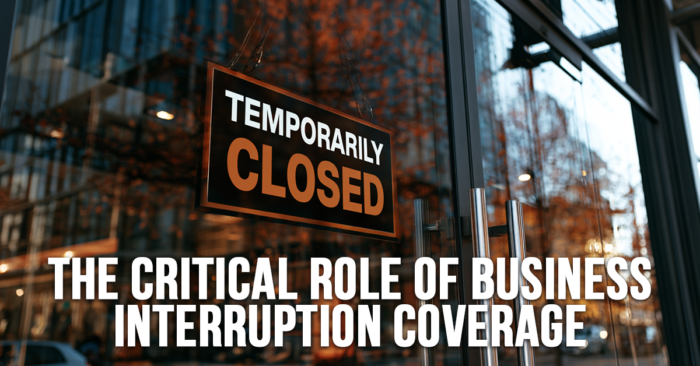
Beyond the Basics: Understanding the Critical Role of Business Interruption Coverage
Protect your company’s cash flow during unexpected operational shutdowns with business interruption coverage.

Locking In Your Advantage: Why Buying Life Insurance Early Locks in Lifetime Savings
See why locking in a life insurance policy during your 20s or 30s yields massive long-term savings.